How to Choose Hydraulic Cylinder Parts for Optimal Performance?
Choosing the right Hydraulic Cylinder Parts is crucial for achieving optimal performance in hydraulic systems. These components directly affect the efficiency and reliability of hydraulic machinery. Quality parts ensure smooth operation and minimize the risk of failure.
When selecting hydraulic cylinder parts, consider factors like material quality and compatibility. Different applications may require specific materials for durability and resistance to wear. Reliability is key; using inferior parts can lead to frequent breakdowns, costing time and money.
It’s important to research manufacturers and suppliers. Look for those with a proven track record in providing high-quality hydraulic components. However, even reputable suppliers sometimes have inconsistent quality. It’s essential to stay vigilant and continuously evaluate the performance of the hydraulic cylinder parts in your applications. This ongoing assessment will improve your overall system functionality.
Understanding the Function and Importance of Hydraulic Cylinders
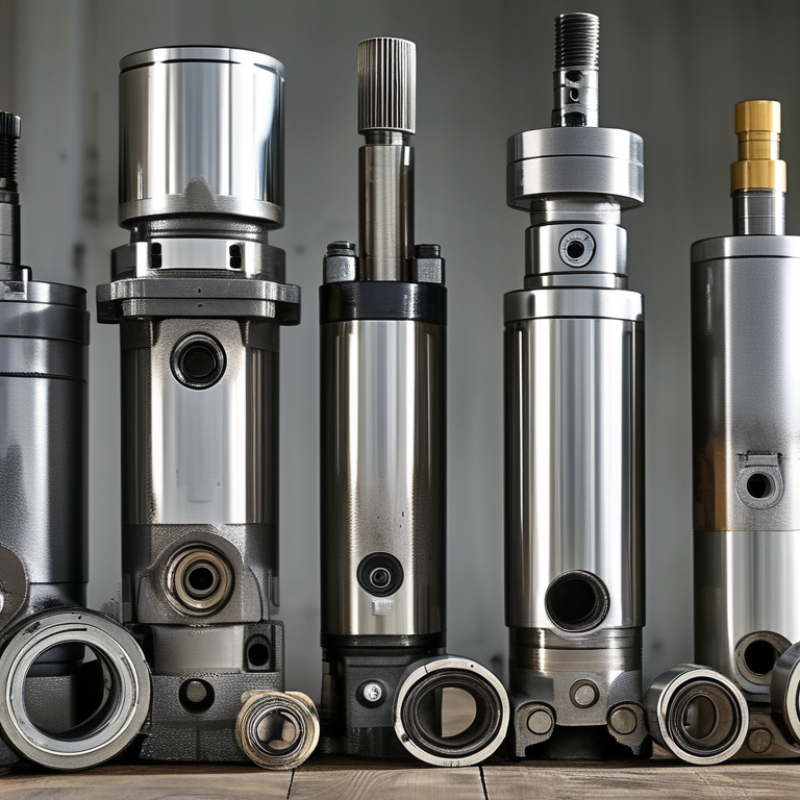
Hydraulic cylinders are vital components in various machinery, enabling powerful and precise movements. Their role is crucial in applications ranging from construction equipment to manufacturing systems. Understanding their function helps users to maximize efficiency and performance. Each cylinder converts hydraulic energy into mechanical work. This results in movement that is both forceful and controllable.
Selecting the right hydraulic cylinder parts is essential. Each component, from seals to rods, plays a critical role in overall functionality. For instance, high-quality seals prevent leaks and maintain pressure. On the other hand, mismatched parts can lead to inefficiencies and increased wear. It’s common to overlook the importance of proper sizing and compatibility. Choosing parts without thorough research can result in decreased performance.
Performance issues often arise from poor maintenance. Regular inspections can identify wear and tear in components. Users may find that even minor adjustments can lead to significant improvements. However, this requires both experience and knowledge of hydraulic systems. Many struggle with understanding the intricate details that ensure optimal operation. Striving for excellence in hydraulic cylinder performance is an ongoing journey, filled with learning opportunities.
Key Components of Hydraulic Cylinders and Their Roles
When selecting hydraulic cylinder parts, understanding key components is crucial. The cylinder barrel serves as the main body, containing the hydraulic fluid. It needs to be robust to withstand high pressures and temperatures. A damaged barrel can lead to leaks and performance issues. Checking for proper manufacturing standards ensures reliability.
The piston is another vital element. It converts hydraulic energy into mechanical energy. The seal on the piston prevents fluid leakage, which is essential for efficiency. If the seal degrades, it can compromise the entire system’s effectiveness. Regular inspection of these seals is necessary to maintain optimal performance.
In addition to the piston and barrel, the end caps play an important role. They secure the hydraulic fluid within the cylinder. Poorly fitted end caps can cause fluid loss. Choosing materials that resist wear and corrosion is key. Make sure to weigh the options and think about long-term performance. Balancing cost with quality can be difficult but is necessary for creating a reliable hydraulic system.
Hydraulic Cylinder Parts Performance Comparison
Factors to Consider When Selecting Hydraulic Cylinder Parts
When selecting hydraulic cylinder parts, several factors come into play that can significantly affect performance. The material of the cylinder rod is one important aspect. Only high-grade steel should be used to ensure strength and durability. Additionally, proper sealing is essential to prevent fluid leakage, which can lead to system failures. Choosing the right seal material, like polyurethane or viton, depends on the application environment.
You should also consider the dimensions of the cylinder. Measuring the bore and stroke accurately cannot be overlooked. Any discrepancies may cause inefficiencies in your hydraulic system. Moreover, pay attention to the pressure ratings of each component. Parts should withstand maximum system pressure to avoid catastrophic failures. Regular reviews of these components can be beneficial.
Finally, keep in mind the specific application for your hydraulic cylinder. Different tasks may require different specifications. Sometimes, it may be tempting to opt for cheaper parts, but this can compromise performance. Reflecting on past choices can help guide future selections. Investing time in choosing the right parts will yield greater efficiency and reliability in the long run.
How to Choose Hydraulic Cylinder Parts for Optimal Performance?
| Component | Material | Size (mm) | Pressure Rating (MPa) | Compatibility |
| Cylinder Barrel | Steel | 100 | 25 | ISO 6020/2 |
| Piston Rod | Chromium-Plated Steel | 50 | 25 | ISO 6020/1 |
| Seals | Nitrile Rubber | Varies | - | Compatible with various fluids |
| End Caps | Aluminum | 100 | 25 | ISO 6020/2 |
| Mounting Brackets | Steel | Varies | - | Custom Designs |
Material Choices for Hydraulic Cylinder Components
Choosing the right materials for hydraulic cylinder parts is crucial. The performance and longevity of these components depend on their material properties. Common materials include steel, aluminum, and composite materials. Steel, known for its strength, is often used for high-pressure applications. It can resist deformation but is heavier than alternatives. Aluminum is lighter and offers good corrosion resistance. However, it may not be suitable for extreme stress conditions.
Composites, combining various materials, can offer unique advantages. They can be engineered to meet specific performance requirements. Understanding the operating environment is vital. Exposure to chemicals or extreme temperatures can affect material integrity. Selecting inappropriate materials can lead to failures. This may result in costly repairs or downtime.
Hydraulic cylinder components must also consider wear and fatigue. High-load applications can accelerate material degradation. Regular assessments are essential to evaluate any signs of wear. Finding the balance between strength and weight is critical. Companies often face challenges in making the best material choice. It's important to reflect on past selections and learn from any mistakes. Fine-tuning these choices can lead to improved performance over time.
Best Practices for Maintaining Hydraulic Cylinder Performance
Maintaining hydraulic cylinder performance is crucial for efficiency and safety. Regular inspection is key. Check for leaks and wear in seals. A small leak can lead to significant power loss. Look for any signs of corrosion on the cylinder body. Corrosion can weaken the cylinder, making it prone to failure.
Proper lubrication is vital. Use the correct hydraulic fluid and change it as needed. Contaminated fluid can damage internal components. Monitor fluid levels closely. Too low a level can cause pump cavitation. Ensure the right temperature is maintained, as overheating can lead to increased wear.
Training your team is essential. Everyone involved should understand the system and its components. Addressing common mistakes can enhance performance. Create a culture of maintenance. Regular updates on best practices can foster awareness. Always reflect on your maintenance routine; adaptability is critical, and mistakes can lead to costly downtime.