Why Choose Hydraulic Brake Valve and Filling Valve for Your Needs?
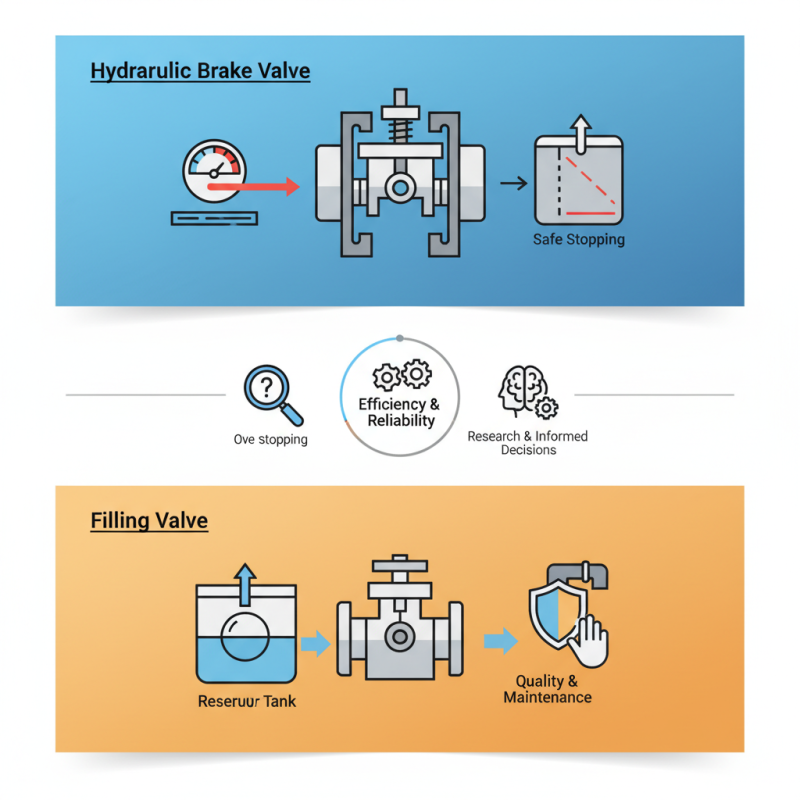
Hydraulic Brake Valve & Filling Valve play crucial roles in modern machinery and transportation. Selecting the right components can seem challenging, but understanding their functionality is key. Hydraulic brake valves ensure safe stopping by maintaining the right pressure. They are designed to respond quickly, offering reliability under various conditions. Filling valves, on the other hand, are essential for managing fluid levels. A proper filling valve ensures smooth operation and prevents overflows, which can lead to dangerous situations.
Experience shows that using quality hydraulic components matters greatly. These valves contribute to efficiency in industrial applications. However, not all products are created equal. Some hydraulic brake valves may wear down faster than expected. Maintaining these valves is equally important. Regular checks can save time and costs in the long run.
Choosing the right hydraulic brake valve & filling valve hinges on research and understanding. Consider specific needs and operational environments. Each situation may demand a different design or material. Therefore, engaging with experts in the field can provide valuable insights. It ensures you are making informed decisions that meet your requirements. Ultimately, prioritizing quality will enhance safety and functionality in your systems.
What is a Hydraulic Brake Valve and Its Functionality?
A hydraulic brake valve is crucial in any hydraulic system. Its primary function is to manage the flow of hydraulic fluid. This ensures that the brakes function properly, contributing to safety. When the brake pedal is pressed, the valve opens, allowing fluid to flow. This pressure activates the braking system effectively.
Selecting the right hydraulic brake valve requires careful consideration. A high-quality valve must withstand pressure and corrosion. It should also offer responsive braking performance. An improperly chosen valve can lead to brake failure. Understanding the specifications and functionalities is essential.
**Tips**: Always check the compatibility of the valve with your existing system. Regular maintenance can extend the life of your hydraulic brake valve. Don't ignore unusual noises or changes in performance—they might indicate a need for replacement. Investing time in research will pay off in enhanced safety and reliability.
Why Choose Hydraulic Brake Valve and Filling Valve for Your Needs?
| Feature | Hydraulic Brake Valve | Filling Valve |
| Primary Function | Controls braking system pressure | Regulates fluid filling process |
| Common Use | Automotive braking systems | Industrial machinery and equipment |
| Advantages | High safety, responsive braking | Precise filling control, increased efficiency |
| Maintenance Needs | Regular inspection for leaks | Occasional cleaning and part replacement |
| Material | High-strength steel or aluminum | Brass or stainless steel |
The Role of Filling Valves in Hydraulic Systems
Filling valves play a critical role in hydraulic systems. They are essential for controlling fluid flow in various machinery. These valves manage how fluids enter and exit hydraulic components. Without them, systems would operate inefficiently or fail entirely.
Proper filling valve selection is crucial. An incorrect valve can lead to leaks or reduced system performance. It's vital to consider factors such as pressure ratings and material compatibility. Poor choices can create costly issues later on.
Regular maintenance of filling valves is often overlooked. Neglect can result in significant malfunctions. Users should check for wear or debris periodically. This helps ensure that the hydraulic system functions optimally. Understanding the importance of filling valves can enhance reliability and efficiency, but many still lack this knowledge.
Advantages of Using Hydraulic Brake Valves in Automotive Applications
Hydraulic brake valves have become essential in automotive applications. They provide precise control over braking systems. This precision is crucial for ensuring safety and performance on the road. Unlike mechanical brakes, hydraulic systems respond better to changes in pressure. This responsiveness enhances vehicle stability during abrupt stops.
One advantage of hydraulic brake valves is their ability to handle high pressure. This allows for stronger braking force with minimal effort. Drivers can notice a significant difference in braking responsiveness. Additionally, hydraulic systems reduce wear and tear on components. They typically have a longer lifespan compared to traditional systems. However, maintenance is still vital. Without regular checks, even the best systems can fail.
Filling valves also play a crucial role in hydraulic systems. They facilitate the quick and effective filling of hydraulic fluids. Ensuring the right fluid levels is critical for optimal brake function. Yet, many overlook this part of maintenance. A small oversight can lead to performance issues. Regular inspections and fluid checks can help avoid potential problems.
How Filling Valves Enhance Efficiency in Fluid Management
Filling valves play a crucial role in fluid management systems. They ensure that fluids are filled accurately and efficiently. This precise control reduces waste and enhances overall productivity. In industries such as agriculture, manufacturing, and automotive, effective fluid management is vital.
Using hydraulic brake valves alongside filling valves can significantly improve system reliability. Hydraulic brake valves control pressure, which is essential for optimal performance. However, focusing solely on pressure can lead to inefficiencies if filling valves are overlooked. A lack of balance might create situations where fluid levels fluctuate unpredictably, affecting operations.
Many organizations face challenges in streamlining their fluid management processes. Common issues include leaks and slow filling rates. By integrating modern filling valves, these problems can be minimized. It is essential to assess the merits of different filling valve types based on specific needs. A tailored approach often leads to better outcomes.
Efficiency Comparison of Hydraulic Brake Valve and Filling Valve
This chart illustrates the efficiency levels of hydraulic brake valves and filling valves in fluid management applications. The data compares their operational efficiency based on various performance metrics, showcasing the advantages of each type of valve.
Key Considerations When Selecting Hydraulic Brake and Filling Valves
When selecting hydraulic brake and filling valves, certain key considerations come into play. The application environment is vital. Harsh conditions, such as extreme temperatures or corrosive substances, can affect valve performance. According to industry research, 68% of failures stem from inappropriate valve selection based on environmental factors.
Another important aspect is flow rate and pressure ratings. Ensure that the chosen valves can handle the specific flow requirements of your system. The discrepancy in flow can lead to inefficiencies. A surge in pressure beyond the valve's rating can cause catastrophic failures. Reports indicate that 30% of system downtime occurs due to incorrect pressure specifications.
Durability and maintenance requirements should also influence your decision. Some valves need frequent adjustments, while others can operate effectively with minimal oversight. A survey found that 45% of users expressed frustration with high-maintenance products. Selecting a valve that aligns with your operational capabilities can save time and cost in the long run. Prioritizing experience and expert recommendations can guide you towards reliable options, enhancing both performance and longevity in your systems.