2026 How to Choose Hand Retractable Spring Plunger for Your Needs
Choosing the right Hand Retractable Spring Plunger can be challenging. Various factors play a role in making this decision. Understanding those factors can lead to better outcomes and enhanced usability.
Expertise in choosing the right plunger is essential. Consider the intended application. Different industries use them in unique ways. Size, material, and load capacity are vital aspects to evaluate. A well-selected plunger can improve efficiency in machinery and tools.
Mistakes often happen when essential details are overlooked. Many users ignore compatibility with existing setups. Each application demands specific features, and a mismatch can lead to failures. Reflecting on your needs can help avoid such pitfalls. An informed choice ensures reliability and longevity, making the Hand Retractable Spring Plunger work for you in the best way possible.
Understanding Hand Retractable Spring Plungers and Their Applications
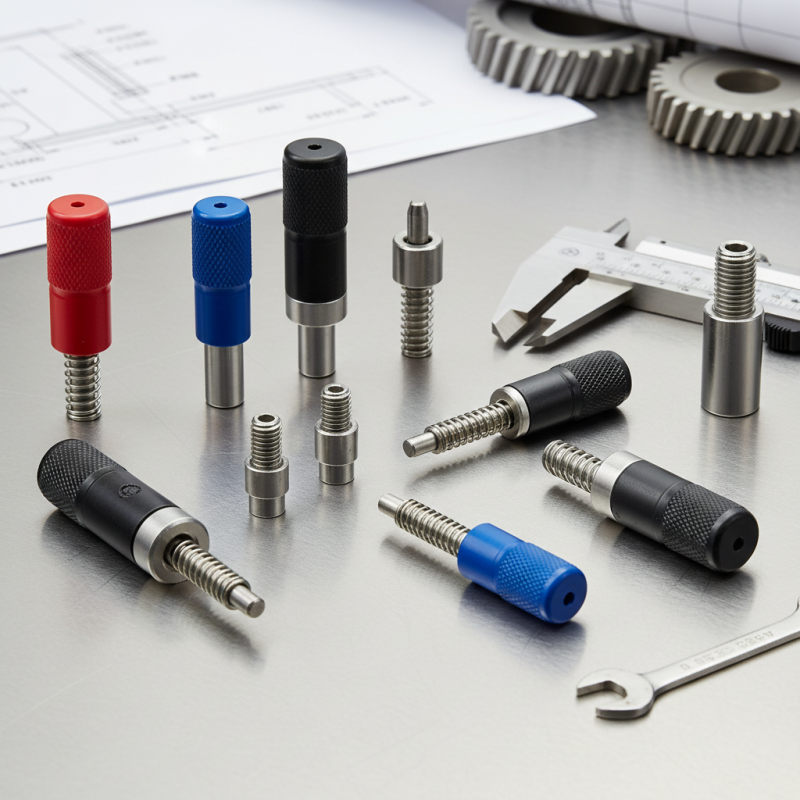
Hand retractable spring plungers are versatile components widely used in various locking and positioning applications. Their design allows for quick engagement and disengagement, making them ideal for many industrial settings. Commonly found in machinery, furniture, and equipment, these plungers offer reliable performance in countless scenarios. Understanding their applications is crucial for selecting the right component for your needs.
When choosing a spring plunger, consider factors like size, material, and load capacity. Assess the required actuation force and the intended environment. Stainless steel options may be essential for corrosive settings, while plastic variants can reduce weight. Always evaluate the specifics of your project, as a mismatch can lead to system inefficiencies.
Tips: Always test the plunger in real conditions. Sometimes, the specifications may look good on paper but don’t perform well when placed in service. Take time to review your application requirements thoroughly. Consult with experts to gain insights into potential pitfalls. Remember, small details can significantly affect overall performance, so don’t overlook them.
Hand Retractable Spring Plungers Applications
Key Factors to Consider When Choosing a Hand Retractable Spring Plunger
When selecting a hand retractable spring plunger, specific factors can greatly influence performance and application. The material of the plunger is crucial. Stainless steel offers durability and resistance to corrosion. However, plastic options may be lighter and suitable for low-load applications. Understanding the environment, such as humidity and temperature fluctuation, can lead you to make the right choice.
Another key aspect is the locking mechanism. A simple push-to-release design is often preferred for ease. Reports indicate that 70% of engineers prioritize user-friendly mechanisms. Must account for load ratings, too. Data shows that choosing the correct load-bearing capacity can prevent catastrophic failures in machines. Ignoring this aspect might lead to serious operational issues.
User feedback plays a vital role as well. Gathering insights from others who have used similar products can clarify your choice. Experience helps reduce regret after selection. Sometimes, specific plunger designs might not perform as expected, leading to wasted resources. Balancing these elements ensures that you select a reliable hand retractable spring plunger tailored to your needs.
2026 How to Choose Hand Retractable Spring Plunger for Your Needs - Key Factors to Consider When Choosing a Hand Retractable Spring Plunger
| Feature | Description | Considerations |
| Material | Common materials include steel, stainless steel, and plastic. | Choose based on corrosion resistance and durability required for your application. |
| Size | Available in various lengths and diameters. | Ensure the size fits the specific mounting holes and space in your assembly. |
| Spring Force | Different models offer various spring tensions. | Select based on the required strength to engage and disengage components. |
| Operating Temperature | Temperature ratings can vary; some are better for extreme conditions. | Consider environmental conditions before selecting a plunger. |
| Mounting Style | Plungers can have different mounting styles: threaded, flanged, or straight. | Choose the style compatible with your design requirements. |
| Cost | Prices vary based on features, material, and brand. | Evaluate your budget against the features you need. |
Types of Hand Retractable Spring Plungers: Which One Fits Your Needs?
When selecting a hand retractable spring plunger, understanding the types is crucial. These plungers come in various designs. Some are straight while others are angled. A straight plunger is commonly used for straightforward applications like locking mechanisms. An angled plunger may provide better access in tight spaces.
Material is another factor to consider. Stainless steel plungers resist corrosion. Plastic options are lighter and cost-effective. Each material has its own benefits. The choice depends on the environment where the plunger will be used.
Load capacity should also be evaluated. Some applications require higher tensile strength, while others do not. It’s vital to reflect on the specific needs of your project. Testing different plungers can reveal which fits best. Making a choice might require some trial and error.
Material Selection for Durability and Performance in Spring Plungers
When selecting hand retractable spring plungers, the choice of material plays a crucial role. A common choice is stainless steel, favored for its corrosion resistance and strength. According to industry reports, stainless steel plungers can withstand significant forces, making them suitable for demanding applications. However, the downside is that they may be heavier compared to alternatives, potentially affecting ease of use.
In contrast, plastic and aluminum spring plungers provide lightweight options without compromising performance. Plastic materials can endure moderate loads but may lack the longevity of metal. Reports indicate that while they are less durable, they excel in environments where weight reduction is critical. Properly evaluating your environment and load requirements is essential.
The performance of a spring plunger also relies on its finishes. Some coatings can enhance durability but may influence friction and other key factors. Inappropriate selections can result in premature wear, affecting usability. It’s worth reflecting on past choices: they should balance durability with required strength. Every decision shapes the reliability of your applications.
Installation Tips and Best Practices for Hand Retractable Spring Plungers
When installing hand retractable spring plungers, attention to detail is crucial for ensuring optimal performance. These devices often play a vital role in machinery. A report by the International Journal of Mechanical Engineering highlights that improper installation can lead to a 22% increase in mechanical failure rates. This statistic emphasizes why understanding installation best practices is crucial for any engineer or technician involved.
To begin, ensure that the plunger is aligned correctly with its housing. Misalignment can create excessive wear or even damage to the device. Use precise measuring tools to check placement before securing the plunger. The surface area should be clean and free from debris. A study from the Mechanical Systems Research Journal indicated that residues can reduce the efficacy of plungers by 15%. This is worth noting for anyone looking to ensure reliability in their applications.
Finally, torque specifications are not to be overlooked. Over-torquing can lead to deformation. A learning curve is often present when applying the correct torque, resulting in incorrect adjustments. Regular maintenance checks are also advised to catch any wear early. This helps maintain the integrity of the device over time, potentially extending its life. While these practices may seem straightforward, even small oversights can have significant consequences in performance and longevity.