How to Choose Fast CNC Machining Services in 2026?
Choosing fast CNC machining services in 2026 requires more than comparing delivery dates. Speed matters, but uncontrolled speed can create burrs, heat marks, poor tolerances, and costly rework. A reliable supplier connects rapid production with engineering discipline, inspection, and clear communication.
Tony Schmitz, a respected machining researcher, offers a useful perspective: “The cutting tool is only one part of the machining system.” That principle remains important when evaluating fast CNC machining providers. A capable shop should review your CAD files, material, tolerances, surface finish, and quantity before promising a deadline. Ask how the company manages tool wear, fixture design, machine capacity, and first-article inspection. The answers reveal more than a polished website.
Look for practical evidence. Request sample parts, inspection reports, machine lists, and realistic lead-time explanations. A supplier that reports potential risks early may be more dependable than one promising delivery tomorrow. Communication matters.
So does flexibility.
In 2026, automated quoting, digital production tracking, and advanced multi-axis equipment can shorten production cycles. However, technology does not remove every manufacturing uncertainty. Complex geometries still require thoughtful programming. Tight tolerances may need slower cutting and additional inspection. I have seen buyers focus heavily on speed, then discover that an unusable part is not a fast result.
This guide explains how to compare fast CNC machining services through capability, quality control, pricing, materials, and delivery reliability. The goal is simple: receive accurate parts quickly, without sacrificing confidence in their performance.
Define Your CNC Machining Requirements and Production Goals
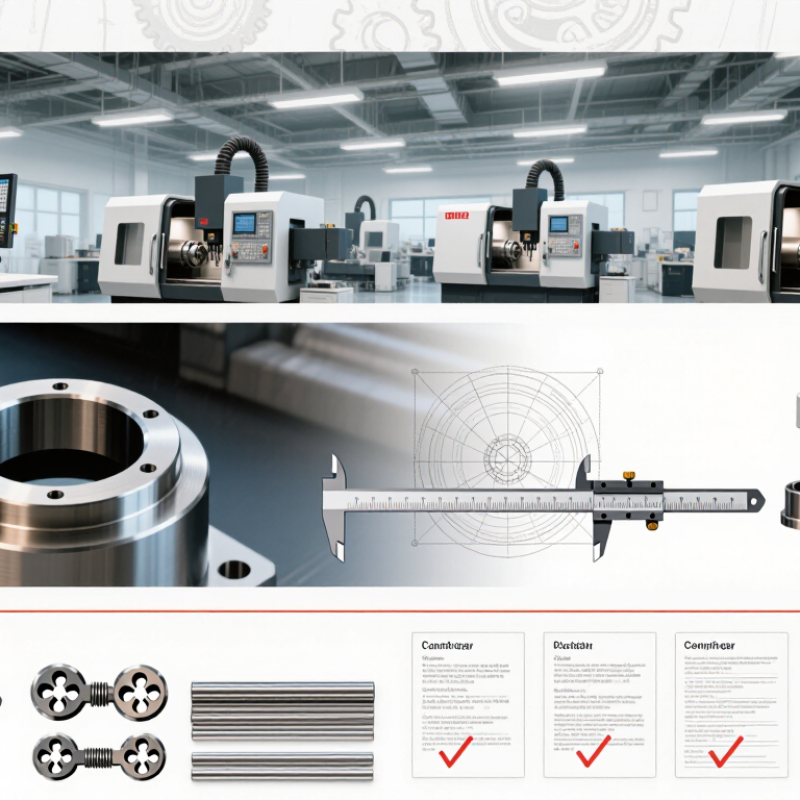
Fast CNC machining starts with a precise production brief, not a vague request for “the quickest quote.” Define the material, finished dimensions, critical tolerances, surface finish, quantity, and delivery date. State whether the job is a prototype, pilot run, or repeat production. That distinction changes tooling, fixture design, inspection planning, and capacity allocation. Include the CAD format, drawing revision, datum scheme, and acceptable cosmetic marks. ASME Y14.5-based tolerancing can reduce interpretation errors when several features control fit.
Speed is relative. A five-day prototype may be excellent, while 2,000 parts in five days may be unrealistic.
Deloitte’s 2024 Smart Manufacturing and Operations Survey found strong confidence in smart manufacturing. It reported that 86% of manufacturers expect it to drive competitiveness within five years. The same report stated that 92% see it as a major competitiveness factor.
For machining buyers, this supports requesting measurable process data, not attractive promises. Ask for first-article inspection, in-process checks, material certificates, and evidence of available capacity. Compare quoted lead time with cycle time, setup time, queue time, and shipping. A supplier may machine quickly but still miss your assembly window.
No estimate is perfect. I would leave a small schedule buffer for tool wear, rework, and drawing questions. That judgment may seem overly cautious, but one overlooked hole can stop an entire build.
Compare Machining Capabilities, Materials, and Quality Standards
How to Choose Fast CNC Machining Services in 2026?
Fast CNC machining is not only about delivery dates. Compare axis capability, tolerance control, materials, and inspection systems before approving a supplier. A five-axis machine can reduce setups for complex aerospace parts, while three-axis milling may remain faster for simple brackets. Ask whether the shop supports aluminum 6061, stainless steel 316, titanium, engineering plastics, and your required surface finish. Deloitte’s 2024 Smart Manufacturing Survey found that 86% of manufacturers consider smart manufacturing essential for future competitiveness. Digital production tracking can therefore reveal delays earlier.
Tips: Request a sample inspection report. Check real lead times. Ask for material certificates, first-article inspection, and dimensional records. A low quote may hide manual rework or weak process control. I have seen attractive schedules fail when tooling was unavailable.
Quality standards deserve equal attention. ISO 9001 certification indicates a documented quality management system, but it does not guarantee every part will meet your drawing. Review calibration records, CMM capability, sampling plans, and nonconformance procedures. The ISO Survey reports more than one million ISO 9001 certificates worldwide, showing broad adoption, not automatic excellence. For critical components, request traceability from raw material to final inspection. Confirm geometric tolerances, burr limits, and packaging requirements in writing. Even experienced buyers sometimes overlook packaging damage during transit. That detail can stop an otherwise acceptable part.
Review Pricing, Lead Times, Communication, and Customer Support
Fast CNC machining should be judged by more than the lowest quotation. Compare unit price, setup fees, material costs, inspection charges, and shipping separately. A 2024 smart-manufacturing survey found that 86% of industry leaders expect digital investment to improve competitiveness. That matters when a supplier provides live production updates and clear inspection records.
Lead time needs evidence. Ask for a schedule covering design review, programming, machining, finishing, inspection, and dispatch. A 2024 supply-chain report found that 83% of manufacturers view innovation as a competitive advantage. Still, “fast” can hide rushed quality checks. Request sample inspection data, machine capacity, and a realistic buffer for complex tolerances. One missed assumption can erase the saving.
Tips: Send 2D drawings, 3D files, material grades, tolerances, surface requirements, and delivery dates together. Ask who will answer technical questions, and test response speed before ordering. Good support means one accountable contact, not five forwarded emails. Confirm revision control in writing. It is a small detail, but it prevents expensive rework. Pricing calculators are useful, though they can miss fixtures, deburring, or special gauging. I would compare three detailed quotes, then challenge unclear line items politely. Cheap is not always fast. Fast is not always reliable.