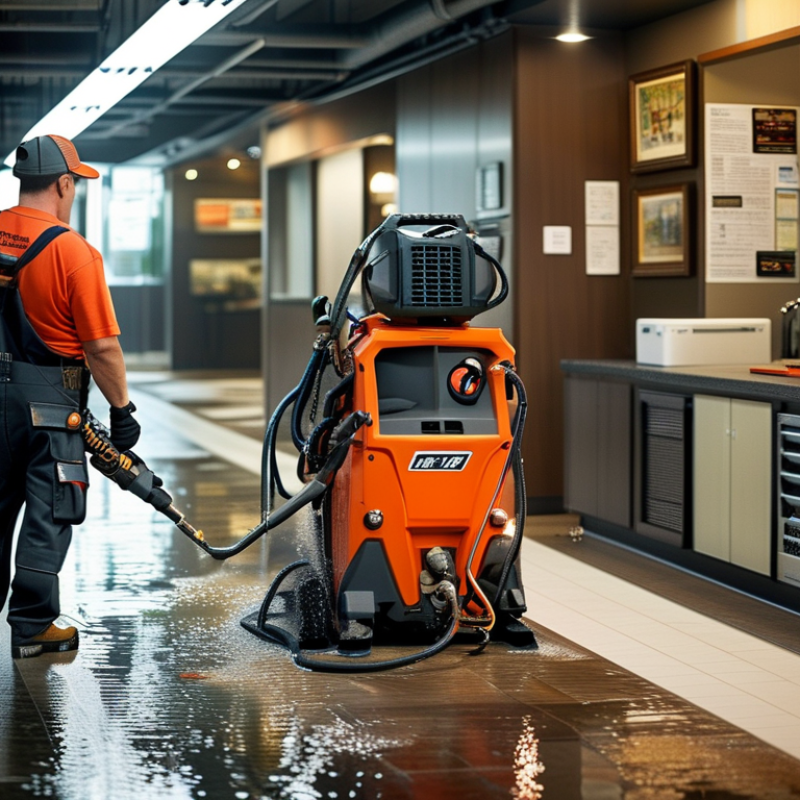
How to Choose the Best Sewer Jetter for Your Needs?
When selecting the right sewer jetter, understanding your specific needs is crucial. Expert plumber Mike Johnston emphasizes, "Choosing the right sewer jetter can save you time and money in the long run." With so many options available, making an informed decision is not easy.
Consider your individual requirements. Are you dealing with a small residential system or a larger commercial setup? Each situation demands different features from a sewer jetter. The power and versatility of a sewer jetter can directly impact your efficiency.
Reflect on the quality of your equipment. A reliable sewer jetter can prevent future blockages and costly repairs. However, the market is filled with many choices, which can create confusion. Balancing power, price, and longevity is key. Investing time in research will pay off with the right sewer jetter for your needs.
Understanding the Basics of Sewer Jetters and Their Functionality
Understanding the basics of sewer jetters is essential for anyone looking to maintain a clean plumbing system. A sewer jetter is a powerful device designed to clean clogged pipes by using high-pressure water jets. This equipment can remove stubborn blockages like tree roots, grease, and debris. With the right tools, homeowners can tackle deep-seated issues without extensive digging.
To select the best sewer jetter, consider factors such as water pressure and flow rate. Higher pressure can often resolve tougher clogs but may not be necessary for routine maintenance. It can be challenging to find the right balance. Different types of jets serve various purposes, from cutting through invasive roots to clearing accumulated waste. Understanding these functions will help you select the most suitable model. It's worth noting that some users struggle with operational logistics and technique, highlighting the importance of proper training and guidance. Regular use can extend the lifespan of both the plumbing system and the jetter itself, providing long-term benefits.
Choosing a sewer jetter requires careful thought and research. Users often overlook the specifics of their local plumbing conditions. Different environments can lead to various challenges, making a one-size-fits-all approach ineffective. Familiarize yourself with how a sewer jetter functions and its operational requirements. Awareness and understanding are key to making a sound decision.
Evaluating Your Specific Cleaning Needs and Requirements
When evaluating your specific cleaning needs for a sewer jetter, start by assessing the type of clogs you often encounter. Different clogs can require different levels of pressure or hose lengths. For example, tree roots may demand higher pressure and longer reach than simple grease buildup. Knowing the common issues in your area can help narrow down your choices.
Consider the hose length and nozzle options as well. A flexible hose can navigate bends and turns more effectively. Nozzles are designed for various purposes, such as cutting through tough blockages or flushing debris. Each has its own unique effectiveness, which means a one-size-fits-all approach may not be suitable for everyone. Evaluate the environment where you will use the jetter. Accessibility is critical; difficult-to-reach spaces can make operation challenging, or even frustrating.
Reflect on your cleaning frequency and volume. If you clean drains only a few times a year, you may not need a high-end machine. Conversely, regular, heavy-duty use warrants investing in a more robust model. Think about your budget as well. Higher quality often comes with a higher price tag, but consider the long-term savings from reduced maintenance and fewer blockages. Prioritize your specific cleaning conditions. Making a well-informed decision can significantly enhance efficiency and reliability.
How to Choose the Best Sewer Jetter for Your Needs?
This bar chart illustrates the key criteria to consider when selecting a sewer jetter based on specific cleaning needs. The data reflects the percentage of importance assigned to each criterion based on surveyed users.
Comparing Different Types of Sewer Jetters Available on the Market
When choosing a sewer jetter, it’s essential to understand the different types available. Portable electric sewer jetters offer convenience. They are lightweight and easy to maneuver, but their power may be limited. These units often operate at lower pressures and may struggle with larger blockages. A homeowner might find them suitable for small, quick tasks.
Gas-powered jetters are another option. They typically provide much higher pressure and flow rates. This makes them effective for tackling stubborn clogs. However, their weight and noise can be challenges for some users. Users should consider their specific needs before deciding. Is a more powerful machine necessary? Or will a smaller unit suffice for routine maintenance?
There are also trailer-mounted jetters. These are for larger jobs or commercial use. They offer impressive power and capacity but come at a higher price. They can be overkill for residential needs. Reflecting on your intended use will clarify what type is best suited to your circumstances. Ultimately, the right choice relies on understanding the functions and limitations of each type.
Assessing Key Features and Specifications to Consider
When choosing a sewer jetter, assessing key features is crucial. Consider the water pressure it can deliver. Higher pressure means better clearing of clogs. Look for models providing at least 3,000 PSI for tough blockages. Water flow rate is equally important; a higher GPM ensures efficient cleaning. Aim for a balance between pressure and flow rate for optimal performance.
Portability and ease of use matter too. A lightweight design makes maneuvering easier. A compact size helps with storage. Think about the hose length. A longer hose gives you more reach without moving the jetter around. Accessories such as nozzles can enhance versatility. Different nozzles help tackle various types of obstructions.
Don't overlook safety features. An automatic shut-off can prevent accidents. A pressure gauge allows you to monitor performance closely. Reflect on your specific needs before making a decision. Assess how often you plan to use the jetter. Will it be for occasional home use or regular professional tasks? Your choice should align with your usage to avoid overspending on features you won’t use.
Budget Considerations and Cost-Effectiveness of Sewer Jetters
When considering the purchase of a sewer jetter, budget is a significant factor. Understanding the costs involved can help you make informed decisions. Prices vary widely based on features and specifications. For example, some models offer higher PSI and more robust build quality, which typically cost more. Assessing your specific needs can prevent overspending on unnecessary features.
However, a higher price does not always equate to better performance. Some lower-cost options might meet your needs effectively without breaking the bank. Consider factors such as frequency of use and the severity of blockages. Renting a jetter for occasional use might be more cost-effective compared to purchasing. Researching different options can reveal surprisingly affordable alternatives.
Also, think about maintenance costs. A reliable sewer jetter will save you money in the long run. Regular upkeep can prevent major repairs. It's essential to choose a unit that balances initial costs with long-term value. Investing smartly ensures you're not just focused on the upfront price tag. Striking this balance is crucial for lasting efficiency and reliability.
How to Choose the Best Sewer Jetter for Your Needs? - Budget Considerations and Cost-Effectiveness of Sewer Jetters
| Feature | Entry Level Model | Mid-Range Model | Professional Model |
| Price Range | $200 - $400 | $400 - $800 | $800 - $2,000 |
| Pressure (PSI) | 1500 - 2000 | 2000 - 3000 | 3000+ |
| Hose Length | 50 ft | 100 ft | 150 ft |
| Weight | 30 lbs | 60 lbs | 100 lbs |
| Suitability | Light Residential | Moderate Residential & Commercial | Heavy Commercial & Industrial |
| Warranty Period | 1 Year | 2 Years | 3 Years |