How to Choose the Best Kitchen Equipment for Your Business?
Choosing the right Kitchen Equipment is crucial for any business in the food industry. Renowned kitchen equipment expert, Chef Johnathan Black, once stated, "The success of your kitchen depends on selecting the right tools." This insight emphasizes the importance of careful selection in achieving operational efficiency.
Investing in high-quality kitchen equipment can enhance food preparation processes. It’s about more than just brand names or the latest technology. Every piece should align with your specific business needs. Think about the workflow in your kitchen and how equipment can streamline tasks. A well-equipped kitchen can transform the dining experience for customers.
However, it’s easy to overestimate equipment needs. Many businesses invest heavily in gadgets they rarely use. It's essential to balance quality and utility. Take time to assess what truly adds value to your operations. This reflection can prevent wasted resources and ensure your equipment supports your culinary vision effectively.
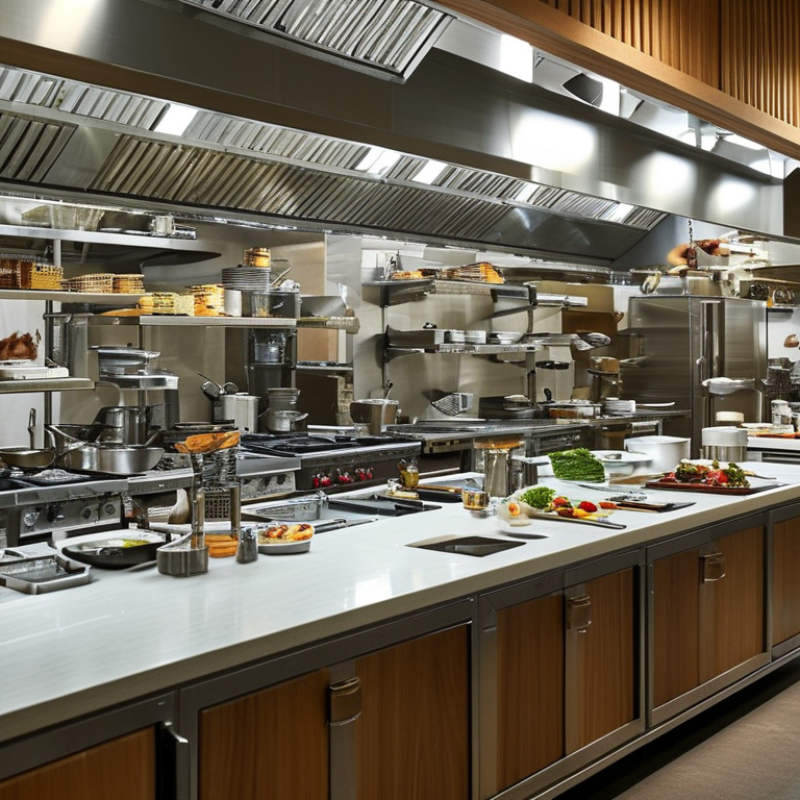
Identifying Your Business Needs for Kitchen Equipment
When selecting kitchen equipment, identify your specific needs. Each business has unique requirements based on its menu and service style. For instance, a bakery needs different tools compared to a casual diner. Understanding your product offerings is crucial.
Ask yourself: What do you plan to serve? Will you require specialized equipment?
Consider the volume of your business. A high-traffic restaurant might need industrial-grade appliances. Evaluate your space as well. Equipment should fit within your kitchen layout while allowing for efficient workflow. Measure available space before purchasing and plan for mobility.
Reflect on your budget. Quality is important, yet staying within financial limits is essential. Don’t compromise on safety and hygiene. Research different types of equipment to find reliable sources. Seek advice from industry experts, but ensure their recommendations align with your vision. Balancing necessity and quality can lead to significant long-term benefits.
Evaluating Quality and Durability of Kitchen Appliances
When selecting kitchen appliances, evaluating quality and durability is crucial. Look for materials that withstand daily use. Stainless steel is often a reliable choice due to its longevity and resistance to rust. Other materials, like plastic, might seem cheaper but can wear out quickly. Consider the environment where the appliance will be used; busy kitchens need robust equipment that can handle the heat.
Examine the construction details. Welds and seams should be strong. Appliances with reinforced parts typically last longer. Be cautious of brands that offer extensive warranties but cut corners on quality. It can be tempting to save money upfront, but it may lead to more expenses in repairs or replacements later. Pay attention to user reviews and seek feedback from other professionals in the industry.
Don't overlook maintenance requirements. An appliance that is hard to clean may not be worth the initial investment. Difficulty in maintaining equipment can lead to short lifespans and performance issues. Reflect on your specific needs. Choosing the best kitchen equipment requires careful consideration of both quality and durability to ensure it meets your business demands effectively.
Comparing Costs and Budgeting for Kitchen Equipment
When investing in kitchen equipment, budgeting becomes a critical aspect of your business strategy. A recent report from the National Restaurant Association indicates that 25% of startup costs for restaurants go towards kitchen equipment alone. This highlights the necessity for detailed financial planning. Understand your needs before making purchases. Custom setups can save costs in the long run.
Consider the long-term costs associated with equipment. Opt for energy-efficient models. Energy Star-rated appliances can save businesses up to 30% on their energy bills, according to the U.S. Department of Energy. However, initial costs can be higher. This balance between upfront expenses and operational savings needs careful analysis.
Be cautious of overestimating your budget. Many operators neglect maintenance costs, which can add up quickly. Research shows that around 10% of total equipment costs should be set aside for maintenance annually. Investing in quality equipment is necessary, but don’t forget the hidden costs. Regularly revisiting your finances and equipment needs is vital for sustainability.
Understanding Energy Efficiency and Sustainability Options
When selecting kitchen equipment, energy efficiency is a crucial aspect. Not only does it lower utility bills, but it also supports sustainable practices. For instance, look for models that use less electricity or gas. Proper insulation in ovens can significantly reduce energy waste.
Consider the materials used in your equipment. Stainless steel is durable and often recyclable. However, the production process can be energy-intensive. Reflect on whether the sustainability benefits outweigh the initial environmental cost. Choose equipment designed for ease of use and maintenance. This can prevent energy loss from improper use or neglect.
Another factor is the lifespan of the equipment. Short-lived items lead to more waste, so invest in quality. Energy-efficient options may have higher upfront costs, but they can save money in the long run. Seek advice from professionals who specialize in kitchen planning. Their expertise can guide you in choosing solutions that balance efficiency with effective performance.
Researching Supplier Options and Customer Support Services
When choosing kitchen equipment, supplier options and customer support services play vital roles. Researching suppliers helps ensure quality and reliability. Look for suppliers with strong track records. Their experience can indicate how they handle challenges. Support services are equally important. You want a partner who responds quickly to inquiries and issues. Delays can disrupt operations.
Consider the availability of training. Some suppliers offer training sessions to help staff use equipment efficiently. Check their support channels too. Multiple options like phone, email, or live chat can make a difference when issues arise. This can impact your daily operations significantly.
Keep in mind that not all suppliers are perfect. Some might lack timely responses or comprehensive support. Reading customer reviews can provide insights into these aspects. Feedback reveals real experiences. Avoid suppliers with consistent complaints. Balance quality equipment with dependable support. By thoroughly researching, you ensure your kitchen is equipped for success.
Kitchen Equipment Provider Comparison
This chart compares various kitchen equipment suppliers based on key factors such as product variety, pricing, customer service, and warranty options. Selecting a supplier involves analyzing these factors to find the best fit for your business needs.