How to Choose the Best Injection Moldable Plastics for Your Needs?
Choosing the right injection moldable plastics can be daunting. The options are vast, and the stakes are high. Expert John Smith, a seasoned professional in plastic engineering, emphasizes, “Selecting the right material is crucial for the product's success.” His insight highlights the importance of informed decisions in this field.
When exploring injection moldable plastics, various factors come into play. Understanding the specific requirements of your project is key. Different plastics offer unique properties; some are more durable, while others provide flexibility. This varied landscape can lead to confusion.
Reflecting on deadlines and budgets is essential. Choosing the perfect material might require compromises. Consider the long-term impacts of your choice. An informed decision today can save time and costs in the future, but it also requires careful assessment of your needs. Every choice has a consequence. A little reflection may lead to better results.
Understanding the Basics of Injection Molded Plastics and Their Applications
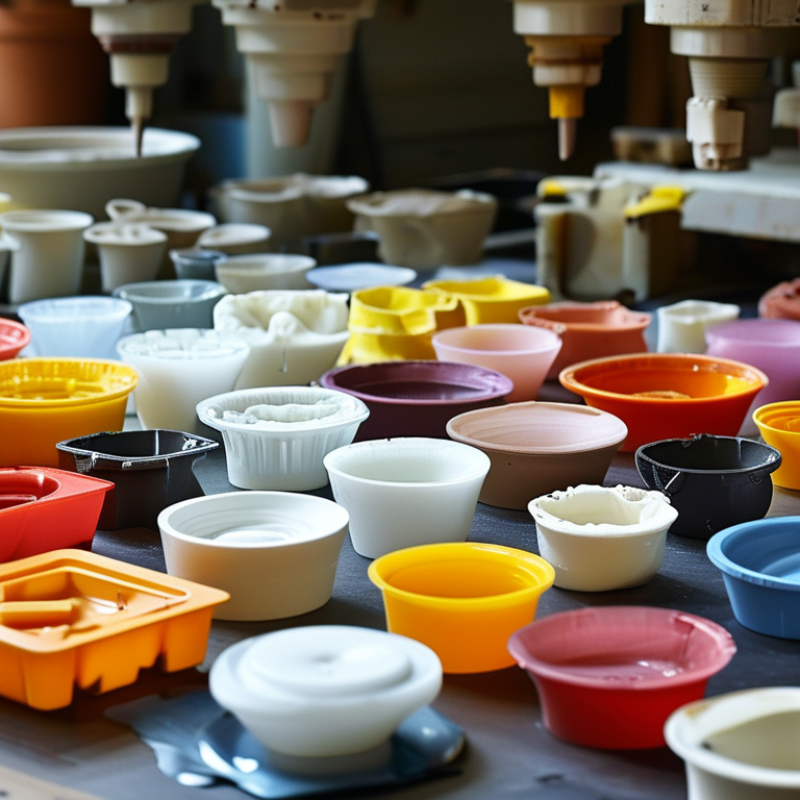
Injection molded plastics are vital in numerous industries, including automotive, electronics, and consumer goods. Understanding their basics is crucial for choosing the right material. According to industry reports, injection molding accounts for over 30% of plastic production globally. This highlights its significance and the importance of selecting the right type of plastic.
Different plastics have varied properties. For example, ABS (acrylonitrile butadiene styrene) is known for its strength and impact resistance, while polycarbonate offers excellent light transmission and heat resistance. Reports indicate polycarbonate’s use is projected to grow by 5.5% annually through 2025. However, this growth brings challenges; selecting a material that balances durability, cost, and the intended application is not straightforward.
Environmental considerations also play a role. With the push towards sustainability, bioplastics are becoming more popular. While they offer benefits, questions about performance and long-term stability remain. Industry analyses reveal that over 15% of new investments in the plastics sector are directed towards developing sustainable materials. Yet, it’s crucial to critically evaluate if these materials meet specific needs without compromising quality.
Key Properties of Injection Moldable Plastics: Strength, Durability, and Flexibility
When selecting injection moldable plastics, consider key properties like strength, durability, and flexibility. Strength is crucial. It determines how well your product can withstand mechanical stress. For example, some applications require high tensile strength, while others need impact resistance. Consider your specific use case and choose a material that can endure the expected forces.
Durability speaks to a material's lifespan under adverse conditions. This can involve exposure to UV rays or harsh chemicals. A durable plastic can save costs on replacements. However, evaluating durability can be challenging. What works well in one environment may fail in another. Testing under real-world conditions is essential for accurate assessment.
Flexibility is often overlooked but equally important. It allows for easy handling and better molding outcomes. Flexible materials can also minimize the risk of cracking. Be cautious; too much flexibility may compromise strength. Finding the right balance is key. Testing prototypes may help reveal insights into material performance. This iterative process enhances the real-world applicability of your final product.
Analyzing Cost-Effectiveness: A Comparison of Common Moldable Plastics
When selecting injection moldable plastics, understanding cost-effectiveness is crucial. The market offers a variety of plastics, each with unique characteristics and price points. Common choices include ABS, polypropylene, and polycarbonate. ABS is known for its balance of strength and cost, making it popular in many applications, whereas polypropylene is lighter and often more affordable. However, it may not always offer the durability needed for certain products. Consider your specific application before making a choice.
Cost-effectiveness is not just about price. Think about the long-term performance of the plastic. For example, polycarbonate might have a higher up-front cost but can outperform others in durability. This could lead to lower replacement rates, offering overall savings. Analyze not only the initial investment but also maintenance and life expectancy. Making a well-informed decision today can prevent expensive mistakes later.
Consider these factors when making your choice. Examine your budget and requirements closely. Do thorough research on material properties and potential applications. Test sample products when possible. Balance cost with quality and performance. Making informed choices leads to better outcomes. Adjustments may be needed as results come in. Review your final selections and be open to refining your approach if necessary.
Environmental Considerations in Choosing Injection Moldable Plastics
When considering injection moldable plastics, environmental impact is vital. Different plastics have various ecological footprints. Biodegradability, recyclability, and energy consumption during production can differ significantly. For instance, some materials may take hundreds of years to break down, while others can decompose within months. Knowing these differences can guide your choice based on environmental priorities.
Life cycle assessment (LCA) is one way to evaluate the environmental effects of plastic materials. This assessment looks at every stage, from raw material extraction to disposal. A common oversight occurs when decision-makers focus only on immediate costs. Ignoring long-term environmental ramifications can lead to regretful choices. Prioritizing sustainable materials often requires deeper investigation and mindfulness about hidden costs in ecology.
Using recycled plastics can be beneficial but come with trade-offs. These materials often have inconsistent quality and may not perform as well as virgin plastics. In some cases, the environmental benefits outweigh the potential performance issues. Assessing your specific application helps guide you toward the most suitable plastic choice. Balancing performance needs and environmental responsibility can be challenging but is essential for progressive practices.
Trends in Injection Molded Plastics: Innovations and Market Forecasts
The injection molded plastics market is rapidly evolving. Recent reports forecast significant growth in the industry. According to a study by MarketsandMarkets, the global injection molded plastics market is expected to reach $450 billion by 2025. This reflects a CAGR of 5% from 2020. Innovation in materials has been a key driver of this growth.
Sustainability is becoming a major trend. Biodegradable and recycled plastics are gaining traction. A report from Grand View Research noted that the demand for bio-based plastics is projected to rise significantly. Companies aim to reduce environmental impact while maintaining performance. Research suggests that cost-effective recycling processes will play a crucial role. However, challenges remain in balancing quality and sustainability. Manufacturers must consider these factors carefully.
When selecting injection moldable plastics, consider the end-use application. The material's thermal stability, strength, and chemical resistance are vital. Always evaluate supplier certifications to ensure compliance with industry standards. Seek out knowledge from industry experts. Collaborating with professionals can lead to better choices and innovation. Remember, staying updated with market forecasts can guide strategic decisions.