How to Choose Arc Shape Multi Wire Saw for Your Projects?
Choosing the right tools is crucial for any project, especially when it comes to the Arc Shape Multi Wire Saw. Experts like John Smith, a leading figure in the wire saw industry, emphasize, “Selecting the proper saw can significantly impact both efficiency and quality.” This statement rings true for many professionals involved in cutting and shaping materials.
When considering the Arc Shape Multi Wire Saw, several factors come to mind. The material types, the desired finish, and the specific project requirements play key roles. Even seasoned professionals sometimes overlook these basics, leading to less than optimal results. It's essential to reflect on past choices and learn from experiences when making a decision.
The Arc Shape Multi Wire Saw stands out for its versatility. It can handle various materials with precision, which is invaluable. However, understanding its mechanisms and limitations is essential. Overconfidence in equipment can lead to mistakes. Being mindful and informed contributes to better outcomes and more successful projects.
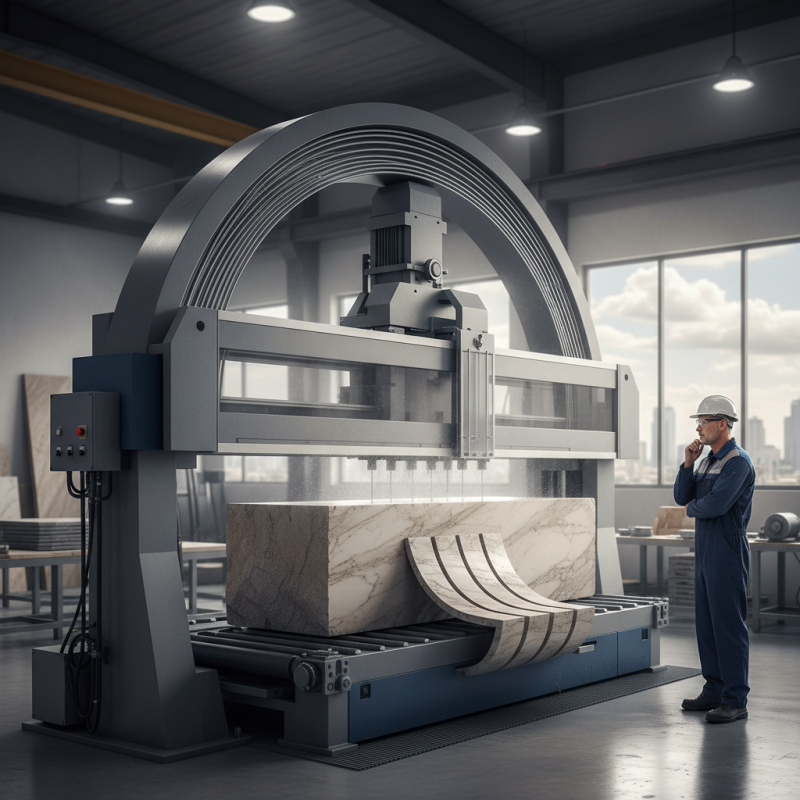
Understanding the Basics of Arc Shape Multi Wire Saws
When selecting an arc shape multi wire saw for your projects, understanding the basis is vital. These saws are designed for precision cutting in various materials. Their arc shape allows for smoother transitions and reduces material waste. This makes them a great choice for projects requiring accuracy. Choosing the right saw can drastically affect the quality of your cuts.
Tips: Consider the wire diameter when making your selection. Thinner wires can navigate tighter curves. However, they may wear out faster. Assess the material you’re cutting. Different materials require different approaches. Some may need a more robust wire.
Another factor to think about is the saw’s frame stability. A sturdy frame ensures consistency during operation. A less stable frame might lead to increased vibration. This can affect the precision of the cut, leaving you with uneven edges. Test the saw with your materials before fully committing to it. This simple task can save you time and frustration later.
Identifying Project Requirements and Specifications
When choosing an arc shape multi wire saw, it's crucial to assess your project requirements carefully. Begin by identifying the materials you will be cutting. Different materials demand unique blade specifications. Soft materials may require finer blades, while harder materials need more robust designs. Consider the thickness of the material too; thicker substrates often need specialized equipment for optimal performance.
One important tip is to evaluate the cutting speed you need. Faster speeds can increase productivity, yet they might compromise precision in delicate work. Test various settings to find the right balance for your specific tasks.
Another point to reflect on is the level of detail required. For intricate cuts, the saw's profile and wire diameter matter greatly. A thinner wire will provide more precision but may have limitations in durability. Always weigh the need for finesse against the durability of the wire. Keep in mind that factors such as wire tension and alignment can significantly impact cutting quality. Taking time to adjust and refine these settings can lead to better outcomes for your projects.
Evaluating Different Types of Wire Saw Materials and Designs
When considering arc shape multi-wire saws, the materials and designs play a crucial role in performance. Steel wire is commonly used, offering strong tensile strength. According to a recent industry report, wires made from high carbon steel have shown a wear resistance up to 30% better than standard options. This difference highlights the importance of selecting the right wire material for longevity in demanding projects.
Another aspect to evaluate is the design of the wire saw itself. Recent advancements in diamond wire technology have improved cutting efficiency. A study published by the International Society for Rock Mechanics indicates that multi-wire saws with diamond-coated wires can reduce cutting times by as much as 25% compared to traditional methods. However, these innovations come at a higher upfront cost, prompting users to consider their budget and project scale.
In practice, users often face challenges. For instance, maintaining the right tension of the wire is vital but can be tricky. Inconsistent tension may lead to uneven cuts, which can affect project outcomes. Additionally, while diamond wires offer excellent performance, they might not be suitable for all materials, emphasizing the need for thoughtful selection based on specific project requirements.
Comparing Performance and Efficiency of Various Arc Shape Saws
When selecting an arc shape multi wire saw, understanding performance and efficiency is crucial. Different arc shapes offer distinct advantages based on project requirements. For instance, a wider arc may provide smoother cuts but can reduce speed. Conversely, a tighter arc can enhance cutting precision but may slow down the process.
It's essential to evaluate the saw’s performance metrics. Look for saws that maximize cutting speed while maintaining stability. The right combination of wire tension and arc geometry significantly affects overall efficiency. Consider factors like material type, thickness, and desired finish. You may find that a saw with a great reputation does not always meet specific needs.
In this landscape, trial and error can be part of the journey. Some users report unexpected challenges with wire durability under different conditions. Adjustments may be necessary, impacting the desired efficiency. Gather insights from various sources, including user reviews, to make informed decisions. Each project offers a learning moment. Be prepared to adapt and refine your selection process as you gather more experience.
How to Choose Arc Shape Multi Wire Saw for Your Projects?
| Model | Blade Diameter (mm) | Cutting Speed (m/s) | Power (kW) | Efficiency (%) | Weight (kg) |
| Model A | 250 | 20 | 5.5 | 85 | 150 |
| Model B | 300 | 25 | 7.5 | 90 | 180 |
| Model C | 350 | 30 | 10 | 88 | 200 |
| Model D | 400 | 35 | 12 | 92 | 220 |
Tips for Maintaining and Operating Your Multi Wire Saw Effectively
Operating a multi-wire saw can be challenging. It requires precision and maintenance for optimal performance. Regular inspection of the wire and tension levels is crucial. A study by the International Journal of Advanced Manufacturing Technology emphasizes that regular maintenance can prevent up to 30% of equipment failures. Keeping the saw clean reduces the risk of contamination affecting cutting quality.
After every use, it’s critical to check the alignment of the saw. Misalignment can cause uneven cuts and potential damage. Regularly replacing worn wires will improve efficiency. Reports indicate that replacing worn wires can lead to a 20% increase in cut quality. Consider implementing a routine lubrication schedule. Proper lubrication minimizes friction and extends the life of essential components.
Operators should also stay informed about new techniques and technologies in the industry. Joining forums or groups can provide valuable insights. Industry reports often highlight new best practices. Engaging with seasoned professionals enhances your operational knowledge. As you progress, remember that learning from mistakes is vital. Each misstep opens doors to improvement in future projects.