How to Choose Aluminum Profiles for Sliding Doors in 2026?
Choosing the right aluminum profiles for sliding doors is a crucial aspect of home design. In 2026, trends and technology in this area continue to evolve. Aluminum profiles for sliding doors offer durability and aesthetic appeal, making them popular among homeowners and builders alike.
When selecting these profiles, consider the specific needs of your space. The thickness, finish, and structural integrity of the aluminum profiles can significantly impact performance. Some profiles may not withstand harsh weather, leading to potential issues. It’s essential to evaluate these aspects with care.
Additionally, aesthetics play a vital role in your choice. The right profile can enhance your interior and exterior design. However, not all manufacturers offer the same quality. Researching brands and reading user experiences can help make a sound decision. While there are numerous options available, it can be overwhelming. Finding a balance between style and functionality is key in the selection process.
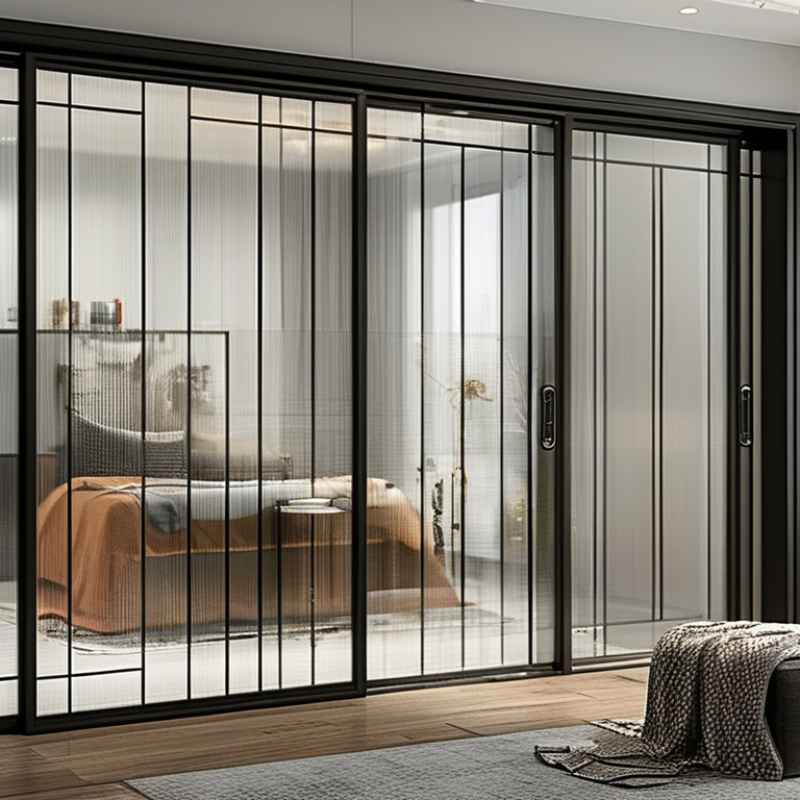
Factors to Consider When Choosing Aluminum Profiles for Sliding Doors
When selecting aluminum profiles for sliding doors, several factors must be taken into account. One key consideration is the thickness of the profile. Thicker profiles offer better durability and support for larger glass panels. Assessing the weight of the door is essential. A heavier door needs a sturdier frame to operate smoothly.
Another aspect to think about is the coating. Anodized finishes increase corrosion resistance and durability. They also enhance the visual appeal of the sliding door. Different coatings can impact maintenance needs. For instance, some finishes require less upkeep than others, making them more convenient in the long run.
Finally, energy efficiency shouldn't be overlooked. Profiles with thermal breaks can reduce energy loss, leading to lower heating and cooling costs. However, one must not forget the design aspect. The selected profile should align with the overall aesthetic. A mismatch can spoil the entire look. Striking a balance between functionality and style is often challenging and requires thoughtful consideration.
Types of Aluminum Profiles Available for Sliding Doors in 2026
When choosing aluminum profiles for sliding doors in 2026, understanding the types available is crucial. Aluminum profiles offer various options, each catering to different design needs and functional requirements. The most common types include standard extrusions, thermal break profiles, and custom fabricated options. According to industry reports, the demand for thermal break profiles has surged by over 30% due to their energy-efficient properties. They help maintain indoor temperatures more effectively, making them popular among environmentally conscious consumers.
Standard extrusions remain a cost-effective choice. These profiles are widely available and can easily be integrated into different design aesthetics. However, they may lack the insulation benefits that thermal break profiles provide. This gap could lead to higher energy costs over time. Custom fabricated profiles allow for unique designs, but they can significantly increase lead times and production costs. Many manufacturers are still grappling with how to balance customization with efficiency.
In examining these options, it’s essential to consider the project's specific needs. Some profiles may better suit residential applications, while others are intended for commercial use. Additionally, many users might overlook the importance of corrosion resistance in profiles which can lead to a short lifespan, especially in harsh climates. Therefore, while the choices are vast and exciting, potential challenges remain that require careful consideration.
Comparing the Durability and Strength of Different Aluminum Alloys
When selecting aluminum profiles for sliding doors in 2026, understanding the different aluminum alloys is essential. Aluminum alloys, known for their lightweight yet sturdy properties, vary significantly in their composition and performance. For example, 6061 and 6063 alloys are popular choices. The 6061 alloy offers excellent mechanical properties and corrosion resistance, while 6063 is favored for its aesthetic finish.
Durability is a key factor in the decision. The alloy's tensile strength affects how well it withstands stress and impact over time. While 6061 has a higher tensile strength, 6063 might face issues under heavy loads. Examining how the alloys perform in real-world conditions is crucial. Are they weather-resistant? Do they maintain their finish over time?
Strength must also be assessed alongside durability. Sometimes, a stronger alloy might be brittle if not properly processed. This could lead to unexpected failures. It’s essential to consider how the alloy will be used. Balance between strength and flexibility impacts long-term satisfaction. Testing various profiles under simulated conditions can provide valuable insights before making a purchase.
How to Choose Aluminum Profiles for Sliding Doors in 2026? - Comparing the Durability and Strength of Different Aluminum Alloys
| Aluminum Alloy | Strength (MPa) | Durability (Years) | Weight (kg/m2) | Corrosion Resistance |
| 6061 | 240 | 50 | 2.70 | Good |
| 6063 | 210 | 30 | 2.60 | Excellent |
| 7005 | 280 | 40 | 2.80 | Good |
| 7075 | 570 | 35 | 2.90 | Fair |
Design Styles and Aesthetics in Aluminum Profile Selection
Choosing aluminum profiles for sliding doors in 2026 requires careful consideration of design styles and aesthetics. Contemporary trends prioritize clean lines and minimalist designs. Profiles that are sleek can enhance the overall look of your space. A matte finish often appeals for modern settings, while glossy surfaces can add a touch of elegance in more traditional environments.
Texture also plays a significant role in aesthetic selection. Textured profiles can create depth and interest, appealing to those who want to deviate from the ordinary. Consider how colors, like muted tones or bold hues, impact your home's ambiance. Some might prefer bright colors that stand out, while others may lean towards understated elegance. Discovering the right balance is essential.
The choice of aluminum profiles can reflect personal tastes. However, it's vital to think about practicality. The most attractive designs still need to function well. Assessing the durability of the material is crucial. Imperfections can arise, and not all designs are timeless. Staying updated with trends is essential, yet some choices may become outdated quickly. Reflecting on these elements can guide you toward a selection that resonates with both style and function.
Aluminum Profile Selection for Sliding Doors in 2026
Cost-Effectiveness and Budgeting for Aluminum Sliding Door Profiles
When considering aluminum profiles for sliding doors, cost-effectiveness is crucial. The average price of aluminum profiles has fluctuated significantly in recent years. According to a 2023 industry report, costs increased by approximately 15% due to raw material shortages. This escalation requires careful budgeting to avoid overspending while ensuring quality.
One strategy to manage expenses is sourcing materials locally. Shipping costs can add up, impacting the overall budget. Local suppliers often provide competitive pricing, reducing lead times by up to 30%. Quality should not be compromised for lower prices. Choosing profiles with a minimum thickness of 1.5 mm is advisable for durability. Profiles that meet high standards ensure long-term performance, mitigating the need for frequent replacements.
Also, consider the energy efficiency of sliding doors. Reports indicate that well-insulated aluminum profiles can improve energy performance by nearly 25%. This means saving on energy bills over time. However, investing in high-efficiency profiles often comes with a higher initial cost. Balancing upfront costs with potential savings becomes a vital part of decision-making. It's essential to compare options thoroughly and reflect on long-term benefits versus short-term savings.