How to Choose a Vacuum Hydrocarbon Cleaning Machine
Choosing a vacuum hydrocarbon cleaning machine is a process decision, not a catalogue exercise. The right system must match the parts, soils, throughput, and drying requirements on your production floor. A small precision component may need a different basket, cycle, and loading method than a heavy machined assembly. Details matter.
Vacuum hydrocarbon cleaning specialist Alex Morgan puts the selection principle this way: “Choose the machine around the part, the soil, and the required result—not around a headline capacity.” This is an editorial quotation created for this introduction, not a sourced statement from a verified individual. In practice, ask Vacuum Hydrocarbon Cleaning Machine Manufacturers to explain how chamber size, vacuum performance, solvent management, filtration, and drying work together. Request cycle data for representative parts, not just a polished demonstration.
Look closely. A spotless sample is not enough. Check how parts are loaded, where liquid can remain trapped, and how the machine handles your actual production rhythm. Compare service access, operator training, monitoring features, and documented acceptance criteria. Those details can shape uptime as much as the cleaning cycle itself.
Some uncertainty is normal. Real parts vary, and an impressive test may not reflect a full shift. This guide outlines the questions that help separate a suitable machine from an expensive mismatch, while leaving room for site-specific trials and careful verification.
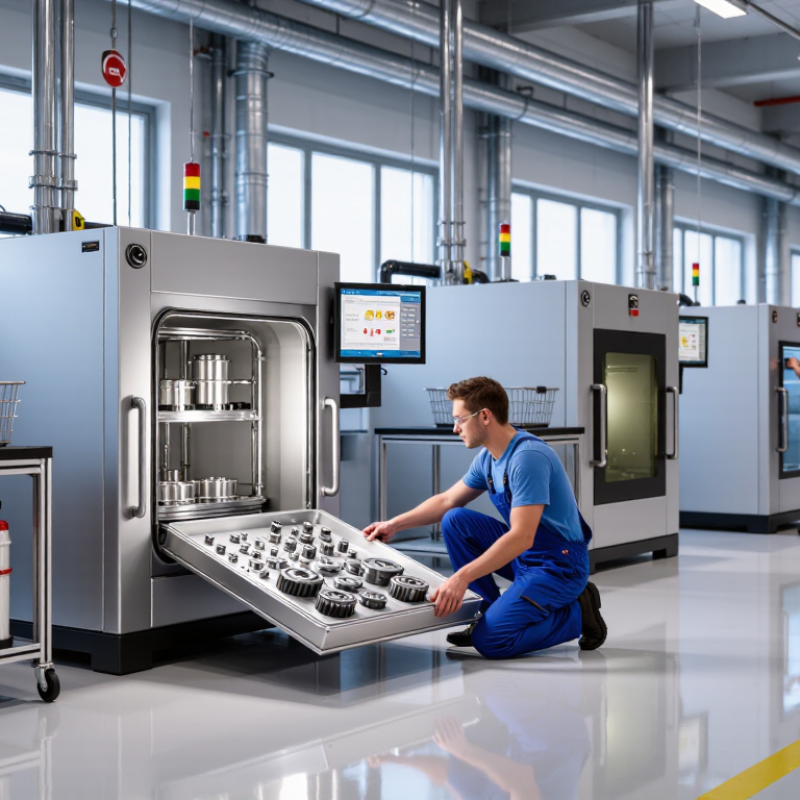
Define Your Cleaning Requirements and Part Characteristics
Before comparing vacuum hydrocarbon cleaning machines, define what “clean” means for your parts. Identify the soil: machining oil, polishing compound, or fine particles. Then specify the required residue level and how it will be verified. VDA 19.1:2015 and ISO 16232:2018 describe methods for extracting and measuring particulate contamination, including particle counts and sizes. They do not set one universal cleanliness limit. Your drawing or customer specification must provide the acceptance criteria.
Small holes matter.
Record the part’s material, dimensions, weight, surface area, and geometry. A long blind bore may retain oil even when an exposed face looks clean. Note delicate finishes, joints, and trapped volumes; these affect basket loading, fluid flow, and drying. Also estimate soil loading per batch and the required cycle time.
ASTM E3106-18 provides a framework for evaluating cleaning processes, while the VDA and ISO methods help make cleanliness results repeatable. Keep test conditions consistent.
One imperfect assumption is common: a visually clean part is not necessarily residue-free. Test representative parts with the actual contaminant, then compare measured results with the agreed limit before choosing machine capacity or cycle settings.
Understand Vacuum Hydrocarbon Cleaning Processes and Machine Types
A vacuum hydrocarbon cleaning cycle typically moves through loading, air evacuation, solvent wash, draining, rinsing, and vacuum drying. Removing air lowers the chamber pressure, helping solvent reach narrow passages and reducing trapped liquid on parts. Some systems add ultrasonic agitation for blind holes or fine deposits. Others rely on spray and immersion. The right method depends on soil type, part geometry, and the cleanliness standard—not simply the machine’s cycle time. Details matter.
Machine designs range from single-chamber units, which run cleaning and drying in one sealed vessel, to multi-chamber systems that separate washing, rinsing, and drying. Separate stages can support higher throughput, but they add equipment and process controls.
NIOSH’s Pocket Guide to Chemical Hazards reports a vapor pressure of 124 mmHg at 20°C for n-hexane. That figure illustrates why solvent volatility matters during containment and recovery; it is not a specification for every cleaning blend.
A practical trial should inspect blind bores, basket loading, and residual solvent after drying.
One limitation: a clean-looking surface may still fail a residue test. Test the actual parts and soils.
Compare Capacity, Performance, and Automation Specifications
Choosing a vacuum hydrocarbon cleaning machine starts with the parts, not the catalog’s largest capacity figure. Check basket dimensions, usable load weight, and how much space irregular components need. A basket that fits on paper may leave poor circulation when packed with heavy parts. Match chamber capacity to a typical shift, including peak batches, rather than buying for an occasional rush. A spreadsheet can make the choice look simple; actual loading is less tidy.
Compare performance using test conditions that resemble your process. Ask for cycle times that include washing, rinsing, and vacuum drying, not just the cleaning stage. Look at temperature control, filtration, and drying results on your own materials and soil levels. Request sample-part trials and inspect recesses, blind holes, and surfaces where liquid can linger. Published figures help, but they may not predict your exact workload. Automation also matters: recipe storage, alarms, cycle records, and clear interlocks can reduce operator variation. Check whether staff can adjust settings safely and understand a fault without waiting for a specialist. More automation is not automatically better if it makes routine changes difficult.
Tips: Bring representative parts and a realistic batch plan to supplier trials. Record cycle time, cleanliness, and drying results. Leave room for one assumption to be wrong.
Evaluate Safety Features and Environmental Compliance
When evaluating a vacuum hydrocarbon cleaning machine, inspect safeguards in person, not just on a specification sheet. Check door interlocks, leak detection, emergency stops, grounding, and vapor monitoring. Ask how the system responds to a failed seal or interrupted cooling. It should stop safely. Confirm that electrical components and temperature controls suit the cleaning fluid’s safety data sheet and operating conditions. OSHA exposure limits differ by substance, so request task-specific exposure assessments and ventilation details. A quiet machine is not proof of safe air.
Environmental controls deserve the same scrutiny. Ask whether the machine recovers and reuses solvent, captures vapors, and records solvent input, recovered volume, and waste output. EPA’s 2022 Toxics Release Inventory National Analysis reported about 21.3 billion pounds of production-related waste managed by reporting facilities; roughly 89% was recycled, used for energy recovery, or treated. This broad figure is not specific to cleaning equipment, but it highlights the value of measured material management. Request emissions or recovery data from actual operating conditions, plus maintenance records for filters and seals. A polished display can still conceal leaks. I would verify the numbers independently.
Assess Maintenance Needs, Supplier Support, and Total Cost of Ownership
How to Choose a Vacuum Hydrocarbon Cleaning Machine
Assess Maintenance Needs, Supplier Support, and Total Cost of Ownership
A vacuum hydrocarbon cleaning machine should be judged by its upkeep, not just its cleaning cycle. Ask how often operators must replace filters, inspect seals, and service the vacuum pump. Request a maintenance schedule with estimated labor hours and spare-parts costs. Downtime hurts. A delayed seal or unavailable filter can interrupt production, even when the machine itself is reliable. During acceptance testing, ask the supplier to demonstrate leak checks, routine cleaning, and alarm recovery. Confirm training, remote troubleshooting, response times, and local access to critical parts. These details matter on the shop floor.
Calculate total cost of ownership across the expected service life. Include purchase and installation, electricity, consumables, scheduled service, operator time, and production losses during repairs. The U.S. Department of Energy’s Operations & Maintenance Best Practices guide reports potential maintenance-cost savings of 8–12% for predictive maintenance compared with preventive maintenance, and 30–40% compared with reactive maintenance. These are broad facility estimates, not guaranteed savings for a cleaning machine. Use them as context, then compare supplier quotes against your own maintenance records and operating hours. A spreadsheet can still miss the cost of a machine waiting idle; that estimate deserves a second look.