How to Choose a Hydraulic Internal Gear Pump
Choosing a Hydraulic Internal Gear Pump is not just a matter of matching a pressure rating. Displacement, speed, fluid viscosity, temperature, noise limits, and duty cycle all shape performance. A pump that looks suitable on a catalogue page may struggle when cold oil flows through a narrow suction line, or when a machine runs for long shifts. Small details matter.
Grand View Research’s Hydraulic Pumps Market report estimated global market revenue at about USD 10.6 billion in 2022 and projected continued growth through 2030. This figure covers hydraulic pumps broadly, not internal gear pumps alone, so it should not be treated as a segment forecast. Still, it signals why careful pump selection matters across mobile equipment and industrial systems. Dr. Andrea Vacca, a fluid-power researcher at Purdue University, has studied hydraulic component efficiency and system performance. In paraphrase, his work points to a practical rule: “Choose the pump for the real duty cycle, not the peak rating alone.” That is guidance, not a verbatim quotation.
Before comparing models, define the operating envelope: continuous and peak pressure, shaft speed, inlet conditions, fluid type, and expected hours of use. Then check efficiency data, allowable noise, service access, and manufacturer support. Ask for test conditions behind published figures. They may not match your installation. A little skepticism helps. The right choice balances measurable performance with the realities of the machine, including heat, space, and maintenance.
Identify the Hydraulic System’s Operating Requirements
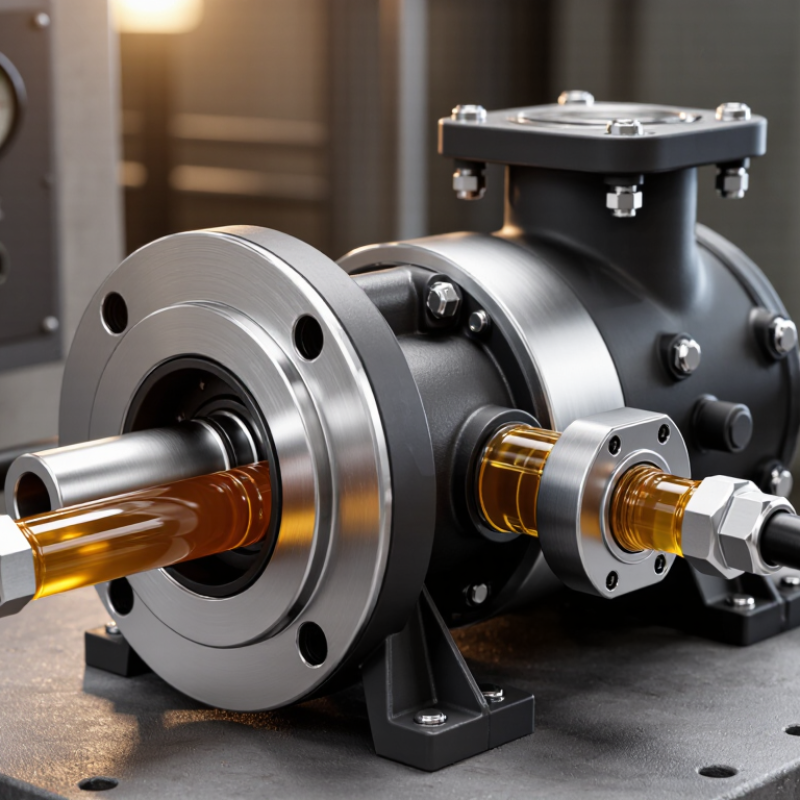
Hydraulic internal gear pump selection starts with the machine’s real duty cycle, not a catalog headline. Record required flow at idle, normal load, and peak demand, then note pressure at each point. A cylinder moving slowly under load may need less flow but sustained pressure. A fast indexing table may need brief flow peaks. Measure both. Record fluid type, viscosity at cold start and operating temperature, reservoir conditions, and expected daily run time. Check drive speed, available shaft power, inlet-line size, and noise limits. These details can reveal suction restrictions and heat risks before pump sizing begins.
System efficiency matters. The U.S. Department of Energy’s Improving Pumping System Performance sourcebook reports that pumping systems use nearly 20% of global electrical energy and 25–50% of energy in some industrial operations. These figures cover pumping broadly, not internal gear pumps specifically, but they underline the value of matching output to the duty. Do not size from maximum pressure alone. Estimate peak and continuous loads separately, then calculate hydraulic power from pressure and flow, allowing for losses and relief-valve operation. Check allowable speed and inlet pressure against published pump curves, and confirm oil cleanliness and temperature limits. One rough estimate can mislead. Measurements help, though a short test may miss cold-start conditions.
Match Pump Displacement and Flow to System Demand
Choosing a hydraulic internal gear pump starts with the flow your system actually needs. Pump displacement, measured in volume per revolution, combines with shaft speed to determine theoretical flow. In practice, volumetric efficiency reduces the delivered amount, especially as pressure rises or clearances wear. That matters.
List each actuator’s required speed and estimate its flow demand. For a cylinder, use its effective piston area and desired extension speed; for a motor, consider displacement and target rotation speed. Then compare the highest simultaneous demand with available pump flow. Not just peak flow. A short peak may not justify a pump sized for continuous operation.
Check the full operating range, including engine or motor speed, working pressure, oil temperature, and viscosity. Cold, thick oil can affect startup, while hot oil may increase internal leakage. Leave a sensible allowance for real-world variation, but avoid excessive oversizing: surplus flow can create heat and waste power through the relief valve. A calculation is a starting point, not a field result. Confirm the selection against measured flow and system behavior under representative loads. The awkward detail is that duty cycles are often estimated from memory; recording actual operating times can reveal a very different demand.
Check Pressure, Speed, and Hydraulic Fluid Compatibility
How to Choose a Hydraulic Internal Gear Pump
Check Pressure, Speed, and Hydraulic Fluid Compatibility
Start with the system’s actual pressure, not just its peak rating. Compare continuous and intermittent pressure limits, then leave a sensible margin for sudden load changes. A pump operating near its limit may run hot or wear faster. Check the required flow at the intended shaft speed, too. Use the pump’s performance data, since delivered flow can drop as pressure rises. Cold starts matter. Thick fluid can increase resistance and strain the drive.
Fluid compatibility involves more than matching a label. Confirm that the fluid’s viscosity suits the pump across the expected temperature range. Then check that it works with seals and internal materials. For example, fluid that becomes too thin when hot may increase leakage, while overly thick fluid can make startup difficult. Keep contamination in mind: fine particles can damage close-fitting surfaces. A specification may look right on paper, yet real operating temperatures can expose a weak choice.
Tips: Record pressure, speed, fluid type, and temperature before comparing pumps. Check operating limits against the manufacturer’s published data. If conditions vary, get technical guidance; guessing can be costly. Recheck your assumptions after installation.
Compare Pump Design, Controls, and Installation Requirements
Choosing a hydraulic internal gear pump starts with matching its displacement to the flow your machine needs. Check operating pressure, shaft speed, and fluid viscosity across the full duty cycle, not just at peak demand. A compact pump may fit a tight machine bay, but restricted inlet plumbing can cause noise and wear. Listen for that. If the pump handles cold, thick oil at startup, confirm its inlet limits and rated speed support those conditions.
Compare control options with the hydraulic circuit. Many internal gear pumps use fixed displacement, so flow changes through motor speed or system-level controls. A relief valve can limit pressure, but it does not correct an undersized pump or constant excess flow. Variable-speed control may reduce wasted energy, though it adds electrical and tuning requirements. Installation details matter just as much: verify rotation, shaft alignment, mounting orientation, and coupling compatibility. Keep the suction line short and wide, and avoid sharp bends near the inlet. Clean oil helps, too. One detail is easy to overlook: actual machine loads fluctuate, and a selection based on a tidy spreadsheet may need revisiting after testing. Follow the pump’s technical data for priming, port connections, and allowable operating limits.
How to Choose a Hydraulic Internal Gear Pump — Compare Pump Design, Controls, and Installation Requirements
Fluid viscosity is a key input when comparing pump designs and control options. This chart shows the standard kinematic-viscosity limits for selected ISO VG grades at 40°C, in mm²/s (cSt), based on ISO 3448. Confirm that the fluid’s viscosity across its operating temperature range is within the selected pump’s specifications. High viscosity can increase suction-line pressure losses, so check inlet-line sizing and layout during installation; also verify the pump’s permitted speed range for the chosen control strategy.