
Choosing a Water Cooler Machine in 2026 is less about finding the newest screen or sleekest finish and more about matching daily use with dependable performance. A quiet unit beside a small office kitchenette may need different features from a busy break room serving dozens of people. Start with the basics: expected demand, available floor or counter space, and whether you prefer refillable bottles or a plumbed connection. Small details matter. Measure the doorway and installation area before ordering.
Compare hot, cold, and room-temperature options, then check the machine’s stated output and cooling method. If you are considering a bottleless model, review its filtration specifications, replacement schedule, and installation requirements. Look for clear warranty terms and accessible customer support. Energy use and noise are worth checking too, especially when the cooler will sit near desks or a bedroom. Some product claims sound impressive, but published test conditions may not match your real setting.
Maintenance is easy to underestimate. A cooler needs regular cleaning, and filters or bottles need timely replacement. Ask who will handle those tasks before choosing a model. For shared spaces, simple controls and a drip tray that is easy to remove can save frustration. For home use, child-safety features may be important. There is no universal best choice. Even a highly rated machine can disappoint if its capacity, water source, or upkeep does not fit your routine. A little comparison helps; still, specifications do not tell the whole story. Check recent reviews for recurring issues, and confirm key details with the manufacturer before buying.
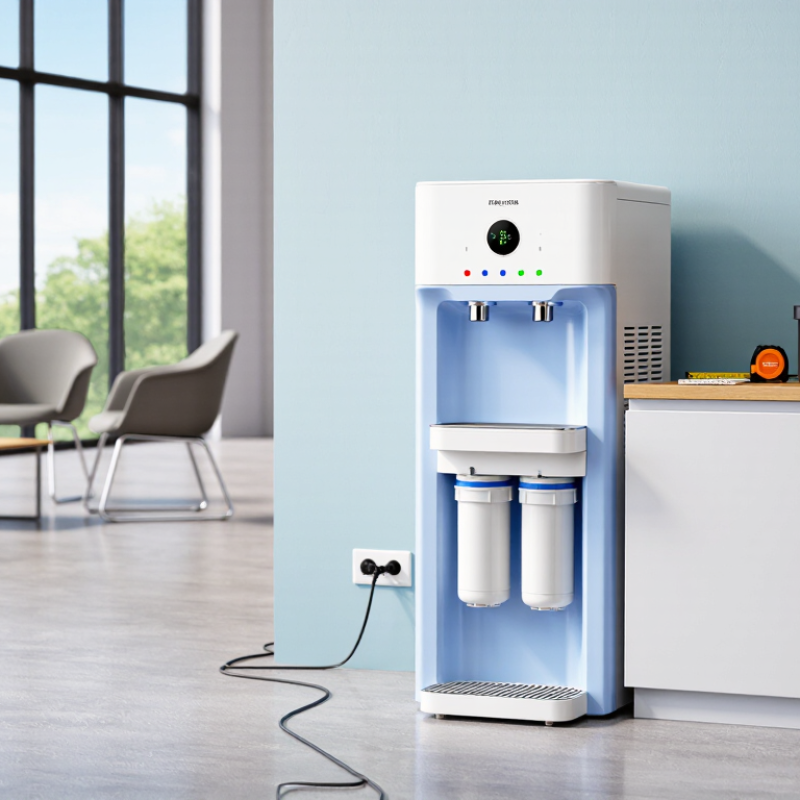
Before comparing features, map how people will use the water cooler each day. Count regular users, then estimate busy periods, such as breakfast or afternoon breaks. A household of four may draw water steadily, while a small office might see ten people refill bottles within minutes. Peak demand matters. A machine with a small reservoir may struggle during that rush, even if its daily capacity looks adequate.
Think about the room, too. Measure the available floor or counter space, including clearance for ventilation and bottle changes. In a shared office, place the unit near a refill area but away from narrow walkways. Check for a nearby outlet and consider the sound of a compressor in a quiet meeting room. Small detail, big difference. A warm kitchen or poorly ventilated corner can also affect cooling performance. It is easy to overlook that until the unit is installed.
Then match the cooling method to your water access and routine. A bottled model can suit spaces without a water line, but account for storage and lifting full bottles. For frequent use, a plumbed model may reduce handling, though installation and filter changes require planning. Estimate how many liters you use on a typical day, and note whether demand changes on weekends. These figures will not be perfect; a week of observation is often more useful than a guess. Keep the cooler easy to clean, with enough room to reach the drip tray and taps.
Water cooler machines generally fall into three groups: top-load bottled, bottom-load bottled, and point-of-use models connected to a water line. A top-load unit makes the bottle easy to inspect, but lifting a full jug can be awkward. Bottom-load machines hide the bottle in a cabinet, which looks neater and avoids overhead lifting. The pump adds another part that may need attention. Point-of-use models avoid bottle deliveries, but they need a suitable connection and regular filter changes. Space matters.
Dispensing choices affect daily use. Cold-and-room-temperature taps suit shared offices where people fill bottles often. Hot-and-cold models can handle tea or instant meals, but their hot-water safety lock matters around children. Some units use push buttons, while others have levers or touch-free sensors. Test the controls if possible: a sensor that misses a cup is convenient only in theory. That trade-off is real.
Check the drip tray, clearance for tall bottles, and how clearly the machine signals low water or filter replacement. A household using several small cups may value quick dispensing; a busy break room may need a larger reservoir and sturdy controls. Hot-water tanks can draw energy while maintaining temperature, so compare standby consumption rather than relying on appearance. I may be giving convenience too much weight; cleaning access can matter more after months of use. Look for removable parts and follow the maintenance schedule in the user manual.
When choosing a water cooler, match its capacity to real daily use, not the largest number on the product sheet. A small household may need only a modest reservoir, while a busy office needs enough chilled water to handle lunchtime demand. Check both storage volume and recovery time: a full tank is less useful if cooling takes hours to catch up. Think about peak use.
Filtration should suit the water going into the machine. Review what each filter is tested to reduce, and check its replacement interval and cost. A filter cannot fix every water-quality concern, so compare its claims with a reliable local water report. Energy use matters, too. Look for annual consumption figures and whether hot-water heating can be switched off when unused. A cooler that runs constantly may add more to the bill than expected.
Maintenance is easy to underestimate. Removable drip trays, accessible reservoirs, and clear cleaning instructions make routine care less awkward. Check how often the manufacturer recommends sanitizing the system, and whether replacement filters are easy to obtain. Small details matter. I would not choose on low purchase price alone; a difficult-to-clean unit can become a daily annoyance, even if its capacity and cooling performance look impressive.
When comparing water cooler machines in 2026, treat safety and documentation as practical buying criteria, not fine print. A hot-water lock helps prevent accidental burns, especially in busy kitchens. Check for leak detection, stable bottle seating, and accessible cleaning surfaces. Look for a recognized third-party certification, then confirm it covers the exact model and its water-contact components. A logo alone is not enough. Manuals should explain sanitation intervals and filter changes in plain language.
Operating costs can quietly outweigh the purchase price. Compare energy use, replacement filters, bottled-water delivery, and cleaning supplies over a year. Check whether the machine keeps water hot or cold continuously; that convenience may raise electricity use. Small details matter. A unit that is awkward to clean may get neglected, even when its instructions are clear. I’d also leave room in the budget for maintenance, since estimates rarely match every household’s habits.
Tips: Measure the space, including room for ventilation and bottle changes. Do the math. Ask the seller for the model’s certification details and energy figures, then verify them in the relevant documentation. If those numbers are missing, pause before buying.
A water cooler should fit the room, not just the shopping budget. Measure the spot, including nearby doors and walking space. Check the machine’s height beneath shelves, too. A tape measure beats a guess. In a small kitchen, a slim countertop unit may work, but it still needs a clear, stable surface and an accessible outlet.
Set a spending limit that includes more than the purchase price. Bottled models may require regular water deliveries and room to store spare jugs. Bottleless models can reduce that storage need, but check plumbing access and filter replacement costs. Ask how often filters need changing and whether the price includes installation. Those details can shift the real cost over a year. Sometimes the cheaper option isn’t cheaper.
Match capacity to daily use. A couple at home may not need the same output as a busy office. Look for clear instructions, easy-to-clean drip trays, and controls that feel simple to operate. If children use the cooler, consider a hot-water safety lock. Avoid paying extra for features nobody will use. One detail is easy to miss: leave enough space to clean behind and around the unit. A model that fits on delivery day may feel awkward once the room is in use.
| Cooler Type | Typical Space Requirement | Water Supply | Typical Upfront Cost (USD) | Ongoing Costs and Care | Best Fit | Main Trade-Off |
|---|---|---|---|---|---|---|
| Top-load bottled | Floor-standing; allow room above the unit to lift and change the bottle. | Refillable or delivered bottles, commonly 3 or 5 gallons. | About $100–$300 for the cooler, excluding water. | Bottle refills or deliveries; clean the reservoir and dispensing area regularly. | Homes or small offices without a nearby water connection. | Lifting heavy bottles can be difficult, and bottles need storage space. |
| Bottom-load bottled | Floor-standing; check the unit’s depth and door clearance for bottle replacement. | Bottles stored in a lower cabinet, commonly 3 or 5 gallons. | About $180–$450, excluding water. | Bottle refills or deliveries; the pump and cabinet area also need routine care. | People who want bottled water without lifting a bottle onto the top of the cooler. | Usually costs more than a basic top-load unit and still requires bottle storage. |
| Point-of-use bottleless | Floor-standing; requires access to a compatible cold-water line and a power outlet. | Connected to the building’s water supply; filtration depends on the model. | About $300–$1,000, with installation potentially extra. | Replace filters according to the manufacturer’s schedule; budget for installation if needed. | Frequent use where avoiding regular bottle deliveries is a priority. | Needs plumbing access, and filter replacement adds recurring cost. |
| Countertop bottled | Compact; needs a stable counter, a nearby outlet, and clearance for the bottle. | Usually smaller bottles; confirm the supported bottle size before buying. | About $80–$250, excluding water. | Bottle purchases or refills; clean the dispensing area and reservoir as directed. | Small kitchens, studios, or locations with limited floor space. | Takes counter space and generally holds less water than a floor-standing cooler. |
| Countertop bottleless | Compact footprint, but requires a counter near a compatible water line and power outlet. | Connected to the building’s water supply; some models include filtration. | About $200–$600, with installation potentially extra. | Filter changes and periodic cleaning; check replacement-filter availability and cost. | Small spaces with water-line access and regular demand for drinking water. | Uses counter space and may need professional connection to the water line. |
Cost figures are broad planning estimates in U.S. dollars, not quoted prices. Actual prices vary by capacity, features, location, installation, and water or filter costs. Before purchasing, measure the available space, confirm power and plumbing requirements, and check cleaning instructions and replacement-part availability.
Copyright © 2025 The Toolroom Inc. All Rights Reserved.
Website Design St Louis by IQComputing