Why Choose PMSM Motors for Your EV Needs?
The rise of electric vehicles (EVs) has transformed the automotive industry. In this landscape, the choice of electric motor plays a crucial role. The PMSM motor for EV is gaining significant attention. According to Dr. Emily Chen, a leading expert in electric propulsion systems, “The PMSM motor for EV is not just efficient; it’s a game changer for performance.” This highlights its importance in modern electric vehicle design.
PMSM motors offer several advantages, including high torque and efficiency. They also contribute to a longer driving range, which is a major concern for consumers. However, not all manufacturers fully understand their potential. There are still challenges in integrating these motors into existing systems. The need for custom solutions often leads to obstacles that companies must overcome.
By harnessing the strengths of PMSM motors, automakers can enhance their EV offerings. The benefits extend beyond energy efficiency; they include improved reliability and reduced noise. But, companies must also consider the complexities involved in production and maintenance. The journey of embracing PMSM motors for EVs is ongoing, demanding innovation and adaptation from the industry.
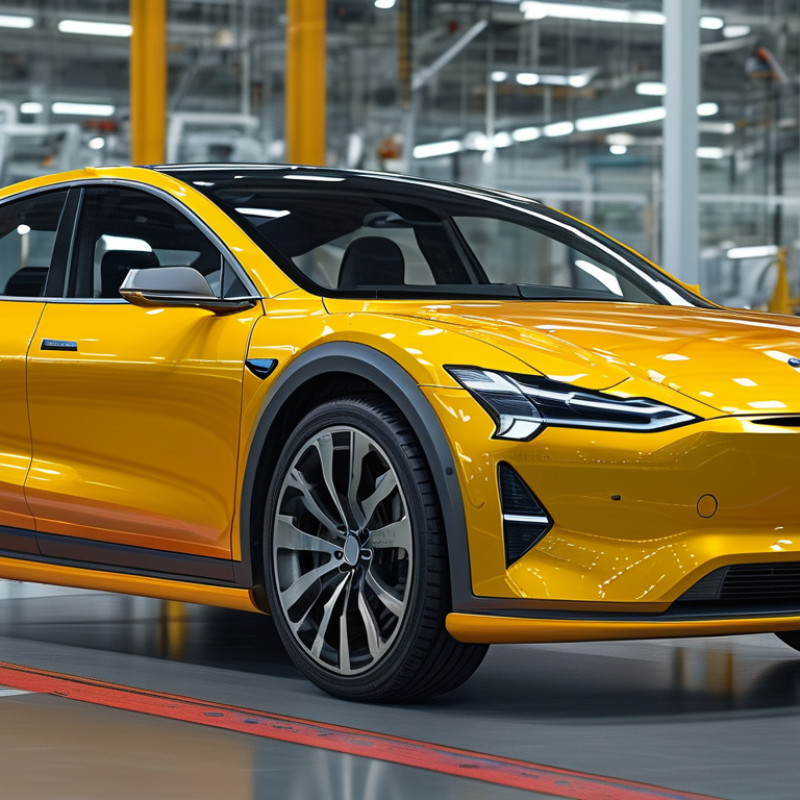
Benefits of PMSM Motors in Electric Vehicles
PMSM (Permanent Magnet Synchronous Motors) are becoming a popular choice in electric vehicles (EVs) for several compelling reasons. One significant advantage is their high efficiency. Reports indicate that PMSM motors can reach efficiencies above 90%, which translates to longer driving ranges for EVs. This efficiency is crucial as consumers increasingly demand distance and performance from their electric cars.
Another key benefit is the high power density of PMSM motors. They are smaller and lighter compared to traditional motors. This means that automakers can design more compact vehicle architectures without sacrificing performance. Data from the International Energy Agency suggests that this leads to reduced energy consumption. However, achieving optimal performance requires careful thermal management and control strategies, which some manufacturers may overlook.
Tips for manufacturers: Consider integrating advanced thermal management systems to enhance the performance of PMSM motors. Regularly revisiting design parameters can lead to unexpected improvements. Always stay updated with the latest research on motor development to maintain a competitive edge. Embracing innovation in PMSM technology might open new avenues for efficiency but requires ongoing investment and a culture of adaptation within engineering teams.
Benefits of PMSM Motors in Electric Vehicles
Key Features of Permanent Magnet Synchronous Motors
Permanent Magnet Synchronous Motors (PMSM) stand out in the electric vehicle (EV) industry due to their unique features. They provide high efficiency, converting approximately 90% of electrical energy into mechanical energy. This efficiency is crucial as it extends the driving range of EVs. Reports indicate that manufacturers are increasingly turning to PMSMs, as they offer better torque density than their induction motor counterparts.
PMSMs are known for their compact structure and lightweight design. This allows for a more streamlined vehicle structure, which is vital for performance. The absence of rotor losses contributes to their superior thermal performance. Research from leading industry analysts suggests that the demand for high-energy-density systems will drive growth in the PMSM market by nearly 16% annually over the next five years. However, the reliance on rare earth materials raises concerns about supply chain stability and environmental impacts. These factors warrant careful evaluation when considering long-term sustainability.
Performance consistency is another key feature. PMSMs maintain high efficiency across various speeds and loads. This reliability is essential for EV manufacturers aiming for solid consumer trust. Yet, the initial costs of PMSMs can be a barrier for some companies. Balancing performance with affordability presents ongoing challenges in the market. As manufacturers strive for innovation, understanding these trade-offs becomes increasingly important.
Comparison of PMSM Motors with Other Electric Motor Types
PMSM motors stand out in the electric vehicle landscape due to their efficiency and performance. When compared to other motor types, such as induction and brushed DC motors, PMSM motors often deliver better torque and acceleration. This is crucial for electric vehicles, where responsiveness influences overall driving experience. With high power density, these motors can significantly reduce vehicle weight, enhancing energy efficiency.
When examining the drawbacks, PMSM motors require precise control systems. This can complicate the design and increase costs. Additionally, some users may experience challenges in maintenance and repairs. In contrast, induction motors are robust and less complex, making them easier to maintain. However, they typically lag in efficiency and torque performance, especially at low speeds.
Brushed DC motors may offer simplicity, yet they suffer from higher wear and tear. This can lead to frequent replacements and added costs in the long run. Overall, each motor type presents its own set of benefits and challenges. The choice ultimately depends on specific EV goals and applications. Understanding the trade-offs is essential for making informed decisions.
Factors Influencing the Selection of PMSM for EV Applications
When selecting PMSM motors for electric vehicles (EVs), several factors come into play. The efficiency and power density of these motors make them a popular choice in the industry. With growing demand for sustainable transportation, efficiency is crucial. PMSMs provide high torque and high operating efficiency, which translates into better range. This can enhance user experience, but it also raises expectations.
Another consideration is the complexity of integration. PMSMs require sophisticated control strategies. This can complicate the design process. Engineers must ensure compatibility with the vehicle's overall system. Additionally, thermal management is vital. Proper cooling mechanisms are necessary to prevent overheating during operation. Failure to address this could result in performance issues.
Durability is also a key factor. PMSMs are generally robust, but exposure to diverse environmental conditions can be problematic. Users must consider how these motors will perform in real-world scenarios. Adverse conditions can lead to degradation over time. This uncertainty can impact long-term reliability. Selecting the right materials and protective measures is essential to mitigate future challenges.
Future Trends in PMSM Technology for Electric Vehicle Development
Permanent Magnet Synchronous Motors (PMSM) are becoming crucial in the evolution of electric vehicles (EVs). Their efficiency in energy conversion is unmatched, which directly impacts vehicle performance. As battery technology improves, PMSMs adapt well, allowing for longer ranges. This technology is vital for meeting the increasing consumer demand for more efficient EVs.
The future of PMSM technology is bright but not without challenges. Innovations are constantly emerging, driven by the need for reduced weight and enhanced power density. Researchers are focusing on optimizing magnetic materials. Emerging trends point towards smarter AI integration in motor controls. This could lead to more adaptive and responsive systems, improving overall vehicle dynamics.
Manufacturers are exploring modular designs for easier upgrades in PMSMs. This flexibility can help drive down costs over time. However, there's an ongoing need to balance performance gains with sustainability. Not all advancements are perfect; some may lead to unintended environmental impacts. Thoughtful design and testing remain essential, ensuring that the benefits of PMSM technology outshine its drawbacks.