Why Choose Film Tape for Your Packaging Needs?
When it comes to packaging, choosing the right materials is crucial. Many professionals in the packaging industry recommend "Film Tape" for its versatility and strength. John Miller, a packaging expert with over 15 years of experience, states, “Film Tape offers unmatched durability, making it ideal for various applications.”
Film Tape is more than just a simple adhesive product. It combines flexibility with reliability. This makes it suitable for delicate items and heavy packages alike. Its transparency allows for easy visibility of the contents, a factor often overlooked. Inconsistent quality in packaging materials can lead to issues, emphasizing the importance of reliable options like Film Tape.
Experts highlight the need for efficiency in packaging. Film Tape adheres smoothly and can conform to different surfaces. However, some may find the initial costs higher compared to traditional tapes. It's essential to weigh these factors against the potential savings in durability and effectiveness. Thus, Film Tape presents a compelling choice for those seeking both security and quality in their packaging solutions.
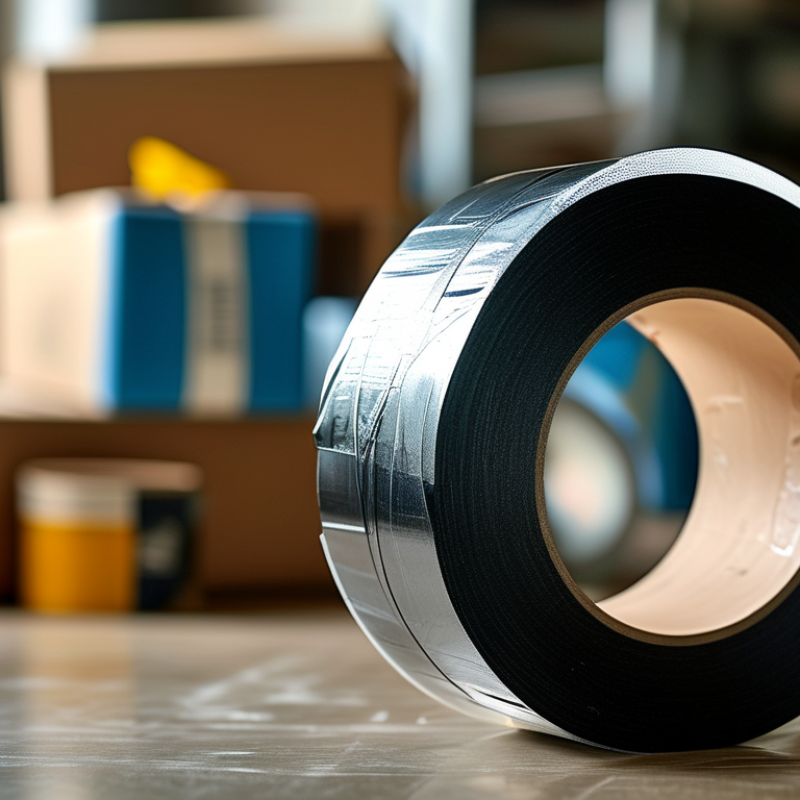
Benefits of Film Tape in Packaging Solutions
Film tape has become increasingly popular for packaging solutions. Its unique properties make it an excellent choice for various applications. One of the standout advantages is its versatility. Film tape can conform to different shapes and surfaces, providing a secure seal. This adaptability makes it suitable for products of all sizes and materials.
Durability is another critical benefit of film tape. It is designed to withstand extreme temperatures and harsh environments. This resilience offers peace of mind for businesses shipping sensitive items. However, some users may find that particular film tapes are too rigid for delicate products. Adjustments may be needed to find the perfect balance.
Furthermore, applying film tape is generally straightforward. Most options offer easy-to-tear and easy-to-apply features, saving valuable time during packaging processes. Yet, users must ensure they apply it correctly to avoid mishaps. Over-application can lead to wasted material and increased costs. Therefore, training staff on proper use is essential.
Comparison of Film Tape and Other Packaging Materials
When selecting packaging materials, the choice between film tape and alternatives like box tape or paper tape can significantly impact efficiency. Film tape excels in providing a strong and reliable seal. Its thin yet durable structure resists tearing, making it ideal for various surfaces. Conversely, paper tape often struggles with moisture, leading to a potential loss of adhesion. In humid conditions, film tape remains effective, ensuring product integrity during transit.
Cost is frequently a concern for businesses. Film tape may seem more expensive upfront compared to bulk paper tape. However, its performance can lead to long-term savings. A strong seal reduces the risk of product damage, which ultimately lowers replacement costs. Additionally, film tape's lightweight nature contributes to reduced shipping costs.
Understanding the environmental implications is crucial. Film tape is often recyclable and can be designed with eco-friendly materials. However, some paper tapes are not recyclable depending on adhesive types. In this evolving market, businesses must weigh functionality against sustainability. Making informed choices is essential for brand reputation and operational efficiency.
Key Features of Film Tape for Enhanced Durability
When it comes to packaging needs, film tape stands out for its unique advantages. Its thin, lightweight construction makes it ideal for various applications. This tape offers high tensile strength, which ensures that the packages remain secure under stress. The adhesive properties are equally impressive; film tape adheres well to many surfaces, offering a reliable seal.
In terms of durability, film tape is often resistant to moisture and chemicals. This resistance helps protect the contents of a package, preventing damage during transport. It maintains performance even in harsh environments. However, it's essential to choose the right type for specific needs, as not every film tape suits every situation. Evaluating environmental conditions before application can enhance reliability.
Another essential feature is its clarity, which allows for easy visibility of labels or contents inside the package. This is particularly beneficial in warehouse settings. However, some may find that the clarity diminishes over time, especially if exposed to direct sunlight. Being aware of this limitation is crucial for planning effective packaging solutions.
Optimal Applications for Film Tape in Various Industries
Film tape is a versatile solution for various packaging needs. Its lightweight and durable properties make it ideal for several industries, including manufacturing, logistics, and retail. In manufacturing, film tape is frequently used for bundling products and securing items during transit. Its strong adhesion ensures that packages remain intact, reducing the risk of damage.
In logistics, clear film tape plays a crucial role in sealing boxes. It provides a tamper-evident feature. This is essential for shipping delicate items. Companies benefit from using film tape that is easy to apply and remove. A quick adjustment can save time and reduce wastage.
**Tips:** Consider the specific requirements of your industry. Some applications might benefit from a thicker tape for added strength. Verify the tape's resistance to environmental factors. You want to ensure it performs under different conditions. Choosing the right film tape can enhance your packaging efficiency significantly.
Why Choose Film Tape for Your Packaging Needs? - Optimal Applications for Film Tape in Various Industries
| Industry | Application | Benefits of Film Tape |
| Food Packaging | Sealing and securing food products | Moisture resistance and food safety |
| Electronics | Insulating and bundling cables | High-temperature resistance and durability |
| Construction | Surface protection during building projects | Strong adhesion and weather resistance |
| Textiles | Labeling and bundling fabrics | Versatile and easy to apply |
| Automotive | Sealing and sound dampening | Vibration reduction and effective sealing |
Choosing the Right Film Tape for Your Specific Packaging Needs
When choosing film tape for packaging, understanding your specific needs is crucial. Different applications require unique tape characteristics. For instance, some tapes excel in temperature resistance, while others might perform better in moisture-heavy environments. According to a 2021 industry report, over 30% of packaging failures result from improper tape selection.
Using the right film tape can impact both efficiency and safety. A poorly chosen tape can lead to product damage during transit. Many manufacturers report that using the correct tape reduces damaged shipments by up to 20%. Additionally, films like polypropylene are ideal for stable, lightweight products. In contrast, PVC films offer superior adhesion on uneven surfaces.
It's important to consider the environment and shelf life of your products. Some tapes degrade faster than others, affecting longevity. In a 2022 consumer survey, 45% of respondents stated that packaging integrity influenced their purchasing decisions. Reflecting on these factors ensures packaging not only protects but also preserves product quality.
Choosing the Right Film Tape for Your Packaging Needs