Why Choose a Diesel Loader for Your Heavy Machinery Needs?
When choosing heavy machinery, the decision can often seem overwhelming. One option that stands out is the Diesel Loader. This equipment is known for its durability and power. Diesel Loaders are designed to handle tough jobs with ease. They can move large quantities of materials quickly and efficiently.
The strength of a Diesel Loader lies in its robust engine and fuel efficiency. These machines can operate longer without frequent refueling. For construction, landscaping, and mining, the Diesel Loader proves invaluable. It's a reliable workhorse, capable of tackling the heaviest loads. However, some may question its environmental impact.
While Diesel Loaders are efficient, they can produce emissions. Users must weigh the benefits against ecological concerns. Investing in a Diesel Loader can lead to operational advantages. Yet, it's essential to consider both performance and sustainability. Understanding these aspects can guide users in making an informed choice.
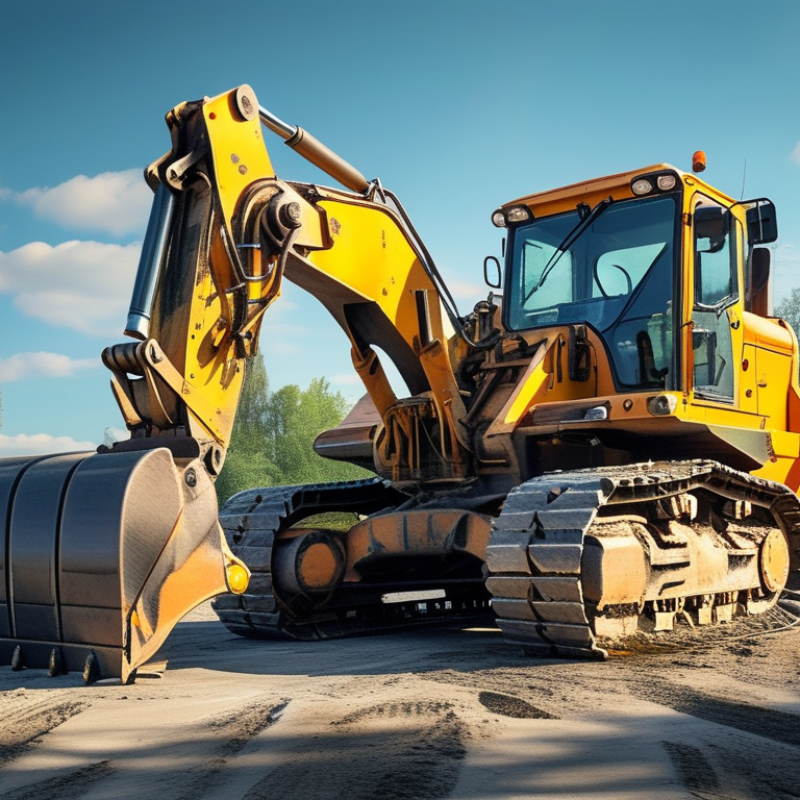
Benefits of Diesel Loaders Over Other Machinery Options
When it comes to heavy machinery, diesel loaders stand out for their power and efficiency. Unlike electric or gas alternatives, diesel loaders deliver superior torque. This makes them ideal for heavy lifting and tough terrain. Their robust engines can operate for hours without the need for frequent refueling. This feature is crucial for large projects requiring continuous operation.
Diesel loaders are built for durability. The components are designed to withstand harsh conditions. This longevity can lead to cost savings over time. However, maintenance is still vital. Regular checks can prevent costly breakdowns. It's important to monitor oil levels and filter conditions. Ignoring these can lead to diminished performance.
Another significant advantage is fuel efficiency. Diesel engines generally consume less fuel than gas engines for the same power output. This means lower operational costs in the long run. Yet, it's essential to consider the environmental impact. Diesel engines produce emissions that can affect air quality. Balancing efficiency with sustainability is an ongoing challenge.
Benefits of Diesel Loaders Over Other Machinery Options
Key Features of Diesel Loaders for Heavy Machinery Applications
Diesel loaders are an essential choice for many heavy machinery applications. They offer a combination of power, efficiency, and durability. One key feature is their high torque output. This allows them to handle heavy loads easily. Whether lifting, pushing, or transporting materials, these machines excel in demanding environments.
Another notable feature is their fuel efficiency. Diesel engines are designed to consume less fuel while providing optimal performance. Users can expect longer operational hours without frequent refueling. This is especially advantageous for large projects where time is critical. Additionally, the engine's longevity is impressive, minimizing maintenance costs over time.
Reliability is crucial when selecting a loader. Diesel loaders are built for tough conditions. Their robust construction withstands heavy use and harsh environments. However, they may require more initial investment compared to other models. Operators should be aware of this cost. Regular maintenance is also necessary to keep them running smoothly. Balancing these factors is essential for making the right decision in heavy machinery.
Economic Considerations: The Cost-Effectiveness of Diesel Loaders
When considering heavy machinery for construction, diesel loaders stand out for their economic advantages. Diesel engines are more fuel-efficient than their gasoline counterparts. This efficiency translates to lower fuel costs over time, an essential factor for large projects. For instance, if a diesel loader operates 10 hours daily, the savings in fuel can be substantial, allowing for better budget management.
Additionally, diesel loaders often have a longer lifespan due to their robust design. This durability reduces the need for frequent replacements, which can strain finances. Sometimes, maintenance costs are overlooked. While diesel engines require consistent maintenance, the long-term benefits often outweigh these immediate costs. Users may feel tempted to choose cheaper machinery, but the hidden costs can add up quickly.
Importantly, the resale value of diesel loaders remains higher compared to other types. This could contribute to a significant return on investment later. However, it’s critical to consider the total ownership experience. Operating a diesel loader may come with additional challenges, such as noisy operations and emissions regulations. Reflecting on these factors can lead to better, more informed decisions.
Comparative Analysis: Diesel Loaders vs. Gasoline Loaders
When evaluating diesel loaders against gasoline loaders, several factors come into play. Diesel engines generally offer greater torque. This advantage is especially crucial in heavy-duty applications where powerful lifting and hauling are required. According to a 2021 study by *Machinery & Equipment Magazine*, diesel loaders can deliver up to 30% more torque than their gasoline counterparts. This can translate to more efficient operation on construction sites and in mining operations.
Fuel efficiency also tilts the scales in favor of diesel loaders. Research from the *American Society of Civil Engineers* indicates that diesel engines can achieve up to 25% better fuel economy. This leads to reduced operational costs over time, making diesel loaders a more economical choice for many businesses. However, the initial cost of diesel loaders can be higher. Companies often feel pressured to choose cheaper gasoline models. This choice may save money upfront but can lead to higher fuel and maintenance expenses in the long run.
Moreover, maintenance plays a significant role in the decision-making process. Diesel engines require rigorous care and often have higher maintenance costs. Gasoline loaders may present lower initial upkeep but could incur more frequent service issues. Ultimately, while both types of loaders have their merits, understanding the trade-offs—such as efficiency, cost, and maintenance needs—is essential for making an informed choice.
Why Choose a Diesel Loader for Your Heavy Machinery Needs? - Comparative Analysis: Diesel Loaders vs. Gasoline Loaders
| Criteria | Diesel Loaders | Gasoline Loaders |
| Power Output | Higher torque and power | Lower torque and power |
| Fuel Efficiency | More fuel-efficient for heavy tasks | Less fuel-efficient |
| Maintenance Costs | Generally higher | Generally lower |
| Lifespan | Longer lifespan | Shorter lifespan |
| Environmental Impact | Higher emissions | Lower emissions |
| Application Suitability | Best for heavy-duty applications | Ideal for lighter tasks |
Maintenance and Longevity: The Advantage of Diesel Engines
When deciding on heavy machinery, diesel loaders stand out for maintenance and longevity. Diesel engines are designed for durability. They typically have fewer moving parts than gas engines, which means less wear and tear. This advantage contributes to a significant reduction in overall maintenance costs over time.
Regular maintenance for diesel engines is relatively straightforward. Oil changes and filter replacements are essential but not complicated. Many operators find that they can handle basic maintenance tasks themselves, saving both time and money. Despite these benefits, some operators might overlook the importance of routine checks. Ignoring this can lead to bigger problems later.
Another factor to consider is fuel efficiency. Diesel loaders consume less fuel while providing more power. This efficiency can lead to lower operational costs. However, it's important to remember that diesel engines can be more sensitive to specific fuel quality. Operators need to be vigilant about fuel sources to avoid potential issues. Understanding these nuances can extend the life of the engine significantly.