How to Choose the Best Pipe Manufacturing Machine for 2026?
Choosing the right Pipe Manufacturing Machine in 2026 is critical for success. Industry expert John Smith, a veteran in pipe technology, states, “Investing wisely in machines leads to better production outcomes.” This reinforces the importance of a careful selection process.
When looking for a Pipe Manufacturing Machine, consider various factors. The machine's efficiency and precision are vital. It should meet the specific production needs of your business. Furthermore, assessing the machine's adaptability to changing market trends matters. Machines that fail to evolve may quickly become obsolete.
Quality and reliability are non-negotiable. A poor choice can lead to costly delays. Moreover, engaging with manufacturers about support and maintenance can provide long-term advantages. Not all machines deliver as promised; research is essential. Making an informed decision will truly enhance your production capabilities and impact your bottom line.
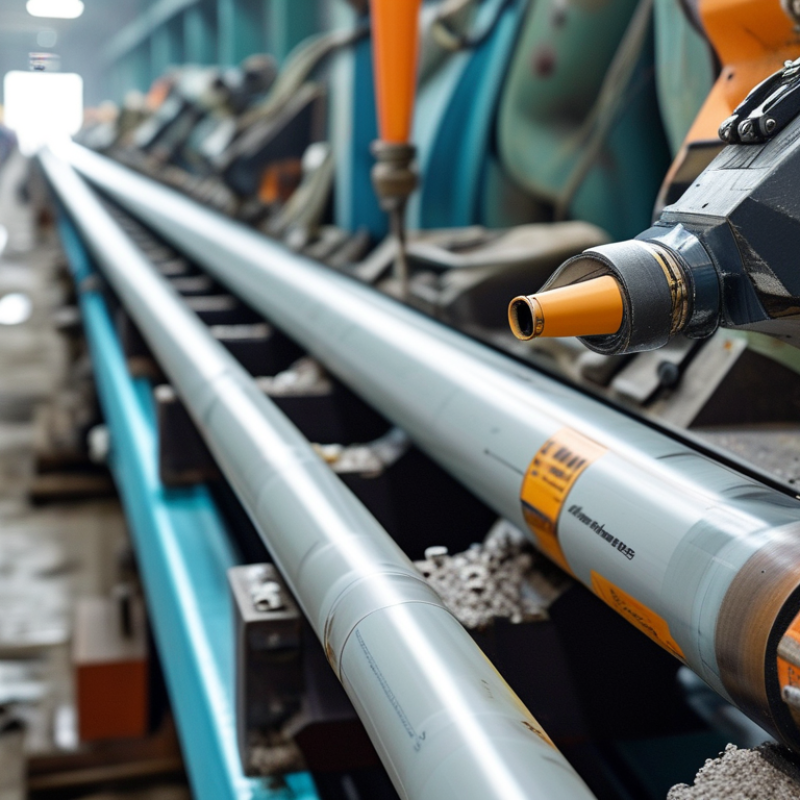
Factors to Consider When Selecting a Pipe Manufacturing Machine in 2026
Choosing the right pipe manufacturing machine is crucial for success in 2026. When assessing your options, consider three key factors: production capacity, technology, and cost-efficiency.
Production capacity should align with your future demand. Machines with higher output can meet large orders but may require more space and initial investment.
Technology advancement is another critical factor. Look for automation features that enhance precision and reduce labor costs. Machines with smart technology offer better monitoring and control, leading to consistent quality. Investing in advanced technology might seem costly, but it can save you money in the long run.
Tips: Always seek expert advice when selecting machinery. Engage with industry specialists to gain insights into the latest trends. Ensure regular maintenance and training for your team. Don't overlook the importance of after-sales support from manufacturers. This can prevent unexpected breakdowns and costly repairs. Reflect on your long-term goals before making a decision; sometimes, the most expensive option may not be the best fit for your needs.
Key Industry Trends Affecting Pipe Manufacturing Machine Choices
Choosing the right pipe manufacturing machine in 2026 requires understanding key industry trends. Technological advancements in automation and AI are reshaping production processes. These innovations enhance efficiency, reduce errors, and offer better product quality. Manufacturers must adapt to these changes to stay competitive.
Another significant trend is the demand for sustainable practices. Eco-friendly materials and energy-efficient machines are becoming essential. Buyers should prioritize equipment that minimizes waste and carbon footprint. This not only meets regulatory standards but also appeals to environmentally conscious customers.
Tips for making the right choice include researching machine specifications thoroughly. Look for machines that offer flexibility in production. This can cater to varying market demands. Also, consider support and maintenance services. Reliable after-sales support can minimize downtime, ensuring smoother operations. Engaging with industry forums can provide insights into user experiences and recommendations, leading to informed decisions.
Comparison of Pipe Manufacturing Technologies and Their Efficiency Ratings
Choosing the right pipe manufacturing machine in 2026 requires careful consideration of technology and efficiency. Different manufacturing technologies offer varied benefits. Some machines use extrusion processes, while others rely on casting or welding. Each method has its own efficiency ratings based on production speed and material waste.
Efficiency is vital in pipe manufacturing. High-efficiency machines reduce energy consumption and operational costs. For example, an advanced extrusion line can produce pipes faster and with less scrap. However, not every new technology guarantees better performance. Older, well-tested machines sometimes outperform the latest models due to reliability.
It's also important to consider maintenance needs. Some advanced machines may have complicated parts, leading to downtime. Assessing the long-term costs and efficiency is crucial. Discussing these factors with peers in the industry offers insights you might not have considered. Each manufacturer will have unique challenges that affect their machine choice. Therefore, reflect on your specific requirements and operational capabilities when making a decision.
Cost Analysis of Pipe Manufacturing Machines Relative to Output and Quality
When considering a pipe manufacturing machine for 2026, cost analysis is crucial. The initial investment can vary greatly. Typically, machines range from $100,000 to $500,000, depending on capacity and technology. A report from the International Journal of Manufacturing Science indicates that higher upfront costs often correlate with better quality output and efficiency.
Output quality significantly influences operating costs. For instance, machines producing up to 1,000 units per hour show a 20% reduction in per-unit costs. However, not all machines perform equally. Some might require more maintenance, leading to unplanned downtime. A recent study indicated that 15% of manufacturers experience equipment failure monthly. Evaluating long-term reliability is crucial in balancing initial costs against potential hidden expenses.
Investing in advanced machinery can lead to sustainability and efficiency. These machines often incorporate automation and real-time monitoring systems. This technology enhances production quality and reduces waste. However, operators must be trained adequately. The skill gap can create additional costs. Industry data reveals that effective training programs improve productivity by up to 25%, making it essential not to overlook.
Cost Analysis of Pipe Manufacturing Machines (2026)
Sustainability and Environmental Considerations in Pipe Machine Selection
When selecting a pipe manufacturing machine in 2026, sustainability is crucial. Machines that offer energy-efficient operations can significantly lower carbon footprints. Manufacturers should consider machinery that utilizes renewable energy sources. This approach not only reduces environmental impact but can also lead to cost savings in the long run.
Another essential factor is the materials used in the machinery. Opting for machines made with recyclable or biodegradable materials can enhance sustainability. Additionally, the manufacturing process itself should minimize waste and pollution. Some machines might even incorporate features that enable proper waste management. However, companies must thoroughly assess these claims for authenticity and effectiveness.
Being aware of regulatory standards is vital. Complying with environmental regulations can help in gaining customer trust. However, navigating these can be challenging due to constant changes. Companies may find it beneficial to consult with experts in environmental standards. This collaboration can lead to better decision-making and ultimately create a more sustainable future for the industry.