How to Choose the Best Dry Powder Mortar Mixer for Your Needs?
Choosing the right Dry powder mortar mixer can significantly impact construction quality and efficiency. According to a recent industry report, the global market for mortar mixers is projected to grow at a CAGR of 5.2% over the next five years. This growth highlights the increasing demand for high-quality mixing equipment. The right mixer enhances product consistency and reduces application errors.
Dry powder mortar mixers vary in size, capacity, and features, making the selection process intricate. Some mixers excel in specific applications, while others offer versatility. A solution that works well for one project might not be suitable for another. Therefore, understanding your exact needs is essential. Consider factors like the mortar type, mixing volume, and job site conditions.
While numerous options exist, not all mixers deliver the promised performance. Some may fall short in durability or ease of use. Researching customer reviews and industry ratings can provide insights into potential shortcomings. Ultimately, investing time in choosing the right dry powder mortar mixer is vital for achieving optimal results in your construction projects.
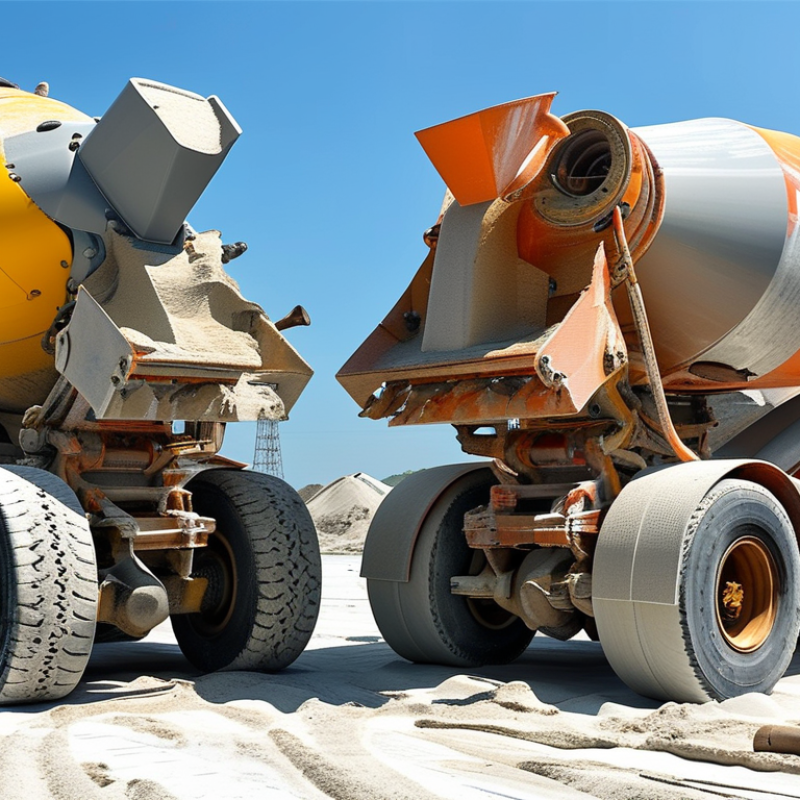
Factors to Consider When Choosing a Dry Powder Mortar Mixer
When choosing a dry powder mortar mixer, several factors significantly impact your decision. The capacity of the mixer is vital. Larger projects often require high-capacity mixers, while smaller jobs can use more compact models. Consider the mixing speed, too. A faster mixer might save time but could lead to inconsistent mixtures if not monitored.
Durability plays a crucial role in the selection process. Mixers made from high-quality materials tend to withstand wear and tear better. However, the best materials often come at a higher price. Assess the maintenance requirements as well. Some mixers need regular servicing, which can be a hassle. Look for models with user-friendly features that ease the maintenance process.
Another aspect to consider is the mix quality. An effective mixer should ensure uniform mixing without leaving clumps. Yet, some mixers might underperform with specific materials. Testing equipment before purchase could help gauge efficiency. Remember, the ideal mixer should align with your specific project needs, balancing cost, quality, and usability.
Types of Dry Powder Mortar Mixers Available on the Market
When considering dry powder mortar mixers, it's vital to understand the available types. They can significantly influence your project outcomes. The market offers several categories, such as horizontal mixers, vertical mixers, and twin-shaft mixers. Each type has unique features that cater to different application needs.
Horizontal mixers are widely used for their efficiency. They mix materials uniformly and are suitable for medium to large production volumes. The blending time typically lasts between 30 seconds to 2 minutes, depending on the batch size. On the other hand, vertical mixers are compact and ideal for small jobs. They may take longer to achieve consistent results due to their design.
Twin-shaft mixers stand out for high-capacity requirements. They combine fast mixing with the ability to handle thick mixtures, ensuring quality consistency. According to a recent industry report, the demand for twin-shaft mixers has increased by 30% over the past three years, reflecting their popularity.
Tip: Evaluate your mixing volume and frequency. Choose a mixer that suits your project scale to avoid over or under capacity.
When selecting a mixer, consider the materials you will use. Different materials may require specific mixers to handle texture and consistency effectively. Reflect on your particular needs to avoid impulsive decisions. The right choice can lead to both efficiency and cost savings.
Understanding the Mixing Capacity and Efficiency Requirements
Choosing the right dry powder mortar mixer requires a clear understanding of two key factors: mixing capacity and efficiency. Mixing capacity refers to the volume of material the mixer can handle in a single batch. If you have a large project, a mixer with high capacity is necessary. For smaller jobs, a compact model may suffice. Analyzing your project size is crucial. Estimate how much material you will need and how often you will mix.
Efficiency is another critical factor. You want a mixer that not only combines ingredients well but also saves time. Look for models that promise quick cycle times while maintaining uniformity. Remember, a less efficient mixer can lead to inconsistent results. A thorough assessment of mixing times and techniques is important. Take time to read user reviews, but also consider your unique requirements. Achieving the right balance between capacity and efficiency can take effort and reflection.
Evaluating Durability and Maintenance Needs of Mortar Mixers
When choosing a dry powder mortar mixer, evaluating durability and maintenance is crucial. A well-built mixer can withstand excessive wear from mixing abrasive materials. Reports indicate that mixers with high-grade materials can last up to 15 years with regular use. However, inadequate maintenance can significantly reduce this lifespan.
Frequent inspections are essential. Look for signs of wear and tear on components like blades and bearings. Replace them before they fail. Neglecting small repairs can lead to major breakdowns. It’s also vital to clean the mixer after every use. Residue left in the machine can corrode parts, compromising its durability.
Tips: Regularly check the mixer’s motor and electrical connections. This helps avoid unexpected failures. Use high-quality lubricants for moving parts to enhance performance. Additionally, consider investing in models with easily accessible parts. This simplifies maintenance tasks and limits downtime. Balancing durability with the right maintenance practices is key to maximizing your mixer’s lifespan.
Cost-Benefit Analysis: Budgeting for Your Mortar Mixer Investment
When budgeting for a dry powder mortar mixer, it’s important to weigh the costs versus the benefits. A higher-priced mixer may offer advanced features and better durability. These qualities can lead to a longer lifespan and lower maintenance costs. However, this doesn't mean you should overspend. Assess your specific needs first.
Consider the volume of mixing you'll require. If your projects are small, a more economical option may suffice. Investing in a top-tier model might not be justified if you won't utilize its capabilities. Analyze how often you need to mix mortar. Infrequent use calls for a more budget-friendly choice. Keep an eye on initial costs, but also factor in potential savings in time and labor.
Evaluate the support and warranty options. A reliable manufacturer will often provide better service. This could save you money long-term. Investing in a reputable mixer might come with a higher price tag but could prove cost-effective if it minimizes downtime. Reflect on your choices and ensure they're aligned with your actual requirements.