
Blog

China Top Products for Venous Ulcers?

Choosing products for Venous Ulcers means looking beyond attractive packaging or a low purchase price. The right option depends on the wound, the patient’s circulation, skin condition, and care plan. In China, buyers may encounter dressings, compression systems, skin-protection products, and fixation materials from many manufacturers. The range is broad. Quality and supporting evidence can vary.

A useful overview should explain what each product is designed to do and what buyers should check before considering it. Look for clear intended-use information, relevant product documentation, sterile status where applicable, traceability, and evidence that supports the manufacturer’s claims. Product names alone are not proof of performance. That comparison is not always neat.

Compression can be an important part of care for some patients, but it is not suitable for everyone and requires appropriate clinical assessment. A qualified healthcare professional should guide treatment and wound-product selection. This article will examine notable product categories and practical supplier checks without treating any brand or country as an automatic guarantee of quality. There is no single winner. Readers should also remember that product information cannot replace an individual assessment, and available evidence may leave important questions unanswered.
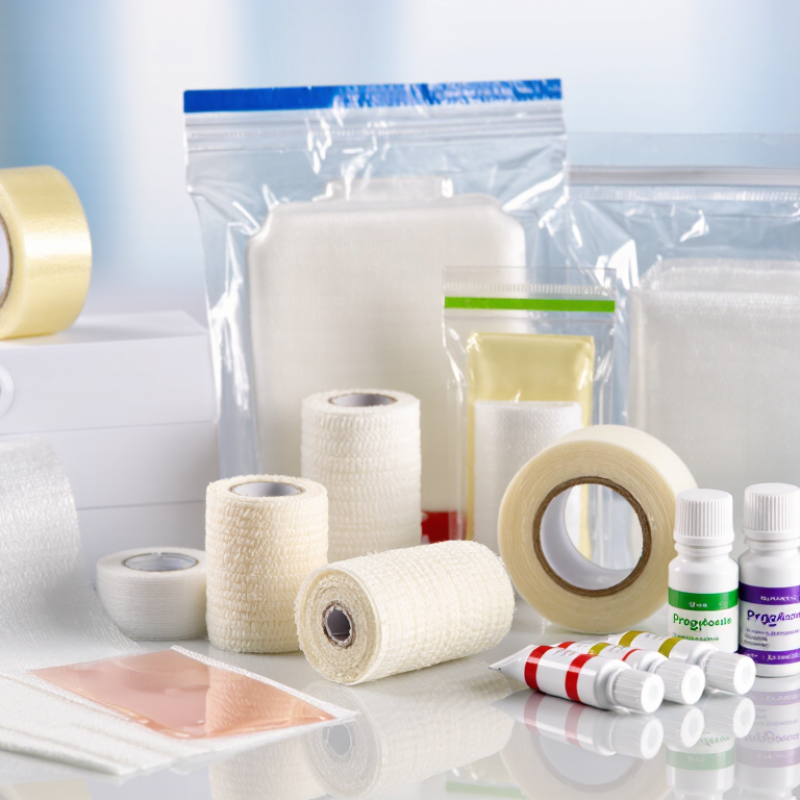
China Top Products for Venous Ulcers?

Understanding Venous Ulcers and Their Treatment Needs

Venous ulcers are open wounds, usually around the inner ankle, caused by poor blood return through leg veins. They may look small but can leak fluid, hurt, and take months to heal. NICE guidance estimates that venous disease causes 60–80% of leg ulcers. That figure matters when choosing care products from China: the wound’s cause should guide the purchase, not a product ranking.

Compression is central to treatment when arterial circulation is adequate. The 2022 European Society for Vascular Surgery guidelines recommend compression for active venous leg ulcers, while clinical assessment helps determine whether it is safe and how much pressure is appropriate. A clinician may check circulation with an ankle-brachial pressure index before applying compression. Not a guess. Dressings manage fluid and protect the wound; skin barriers can help protect fragile surrounding tissue. No single dressing suits every wound. It is easy to oversimplify this.

For buyers comparing Chinese-made products, practical details count: consistent compression, clear sizing, breathable materials, and documented quality testing. Match absorbency to the wound’s drainage, and check that instructions explain use and warnings plainly. A dressing cannot correct underlying venous pressure. Follow-up matters, too; clinicians may adjust compression as swelling changes. The best choice is the one that fits the patient’s circulation, wound condition, and care plan.

Key Goals of Venous Ulcer Care

Venous ulcer care has several connected goals: support healing, reduce leg swelling, protect surrounding skin, and lower the chance of recurrence. A clinician should assess circulation before compression is started, since treatment must suit the person’s blood flow and health. When appropriate, compression helps control venous pressure. Regular walking and ankle movements may also support calf-muscle activity. Small steps matter.

Wound care aims to keep the ulcer clean and comfortably moist, while managing drainage and shielding fragile skin. A suitable dressing depends on the wound’s size, depth, fluid level, and condition—not simply on a product label. It is easy to focus only on the dressing; that can miss the underlying circulation problem. Healing may take time, and progress can be uneven.

Tips: Elevate the legs when resting, if advised, and follow the care team’s compression instructions. Check for increasing redness, warmth, pain, swelling, or unusual discharge. Seek prompt medical advice if these appear or if the wound worsens. Note changes in wound size and drainage at appointments. I would not treat a slow-healing ulcer as a reason to guess at care; reassessment can reveal whether the plan needs adjustment.

Main Product Categories Available in China

China’s market for venous-ulcer care includes compression systems, wound dressings, skin-protection products, and basic cleansing supplies. Compression options may include multilayer bandages, compression stockings, and adjustable wraps. They are not interchangeable.

A clinician should assess circulation and select an appropriate level of compression before use.

Dressings are chosen to manage wound fluid and protect surrounding skin. Common categories include foam, alginate, hydrofiber, hydrocolloid, and silicone contact layers. A shallow, lightly draining wound may need a different dressing from a deeper wound with heavier drainage. Fit matters.

Skin cleansers and barrier films can help protect fragile skin during dressing changes. Some suppliers also offer leg-elevation supports, though positioning alone does not treat the underlying circulation problem.

Specifications, sizes, and product availability can vary between suppliers in China, so buyers should check material details and instructions rather than relying only on category names.

There is no perfect dressing for every wound. That point is easy to overlook.

Venous ulcers need professional assessment, especially if pain, redness, fever, or sudden changes appear.

How to Choose Products for Different Wound Conditions

A venous ulcer needs more than a dressing. Product choice depends on the wound bed, fluid level, surrounding skin, and circulation. For a heavily weeping wound, an absorbent foam or alginate dressing may help manage fluid and reduce leakage. A shallow, dry wound may need a moisture-supporting dressing instead. The wound should look comfortably moist, not soaked. No dressing fits every wound.

Protect the skin around the ulcer with a suitable barrier product, especially if drainage causes redness or soft, pale skin. Compression can support healing when venous disease is present, but a clinician should assess circulation first. Poor arterial blood flow can make compression unsafe. Change dressings when they are saturated, leaking, or due for review, and avoid pulling firmly on fragile skin. Small details matter.

Increasing pain, warmth, swelling, spreading redness, or a sudden change in drainage needs prompt medical advice. So does fever. Product selection should be reviewed as the wound changes; a dressing that worked last week may no longer suit it. I would not judge progress by appearance alone. Track wound size, drainage, and comfort, and ask a qualified wound-care professional to reassess the plan.

Choosing Products for Venous Ulcers: Start with Compression

Evidence comparison: compression versus no compression for venous leg ulcer healing.

How to choose wound products: Compression is a core treatment when clinically appropriate, after arterial circulation has been assessed. Choose the dressing to manage the wound: alginate or gelling fiber dressings can help with heavier exudate; foam dressings can manage moderate exudate; and a low-adherence contact layer may suit a relatively dry or fragile wound. Reassess if the wound deteriorates or shows signs of infection.

The chart shows pooled relative risk (RR) of healing, not an absolute healing rate. Compression: RR 1.77 (95% CI 1.41–2.21); no compression is the reference (RR 1.00). Source: Cochrane review, Compression bandages or stockings versus no compression for treating venous leg ulcers (CD013397).

Safe Use and Monitoring During Venous Ulcer Treatment

Venous ulcers often need more than a dressing. A clinician should confirm the cause and check circulation, often with an ankle-brachial index test, before compression begins. Compression can improve venous return, but may be unsafe when arterial blood flow is poor. Choose dressings based on drainage, wound depth, surrounding skin, and comfort; a product that suits one person may irritate another. Keep it simple.

Before use, check that packaging is intact and the product is within its expiry date. Wash hands before and after changing a dressing. Clean the wound with clean water or the solution recommended by the care team. Avoid applying antiseptics, herbal preparations, or antibiotic creams unless advised by a clinician. Change the dressing when it becomes wet, soiled, or saturated. Do not guess.

Use compression wraps exactly as taught. New numbness, pale or cold toes, or increasing pain needs prompt medical advice. Record wound size, drainage, pain, and skin changes at regular intervals. Photos can help, but use similar lighting and distance each time. Measurements are not perfectly consistent, and that can make progress hard to judge. Contact a clinician promptly for spreading redness, warmth, fever, worsening pain, or a sudden increase in drainage.

China Top Products for Venous Ulcers? - Safe Use and Monitoring During Venous Ulcer Treatment
Product or care category Typical role Safe-use considerations What to monitor
Compression bandages or multilayer systems Help control venous edema and support healing when venous disease is confirmed and arterial blood flow is adequate. Compression is a key part of care for many venous leg ulcers. Assess arterial circulation before starting, usually with an ankle-brachial index (ABI) or an appropriate alternative. Application and compression level should be selected by a trained clinician. Avoid sustained compression in severe arterial disease; reduced compression may be considered for mixed disease only under clinical supervision and local protocols. Check pain, skin color and temperature, sensation, swelling, and the toes after application and at follow-up. New severe pain, numbness, pale or blue toes, or coolness requires prompt assessment.
Adjustable compression wraps Provide adjustable compression and may be an option for some people who can apply and manage the wrap safely. Use only at the compression level prescribed. Ensure the wrap is fitted and adjusted as instructed; do not tighten it to the point of pain, numbness, or color change. Check fit, slippage, comfort, skin condition, and toe circulation. Review application technique and adherence at follow-up.
Absorbent dressings, such as foam dressings Manage wound fluid and help protect the wound and surrounding skin. The dressing is chosen according to the amount of exudate and the wound's condition. Change at the interval advised by the care team or sooner if saturated, leaking, or soiled. A dressing alone does not treat the underlying venous hypertension. Record exudate amount and appearance, leakage, odor after cleansing, wound size, and condition of the surrounding skin.
Alginate or gelling fiber dressings Absorb moderate to heavy wound exudate and form a gel in contact with fluid. Generally not suitable for dry wounds. Follow product instructions and ensure material is removed or accounted for at dressing changes. Monitor for retained dressing material, excessive drying, maceration, and changes in exudate.
Non-adherent wound contact layers Reduce adherence to the wound surface and can help limit trauma during dressing changes. Select a type appropriate to the wound and any prescribed topical treatment. A contact layer may need a secondary absorbent dressing. Check whether removal causes bleeding or pain and whether fluid is passing through to the secondary dressing.
Skin barrier products and bland emollients Protect intact skin from wound fluid and help manage dryness associated with venous disease. Apply to intact surrounding skin as directed; avoid placing products inside the wound unless specifically intended and prescribed for that use. Look for irritation, rash, softening or whitening of surrounding skin, and any sensitivity to the product.
Topical antiseptic or antimicrobial dressings May be considered for a defined clinical indication, such as suspected local infection, under professional guidance. Do not use routinely or indefinitely to prevent infection. Use only as directed and reassess the need; suspected infection may require clinical evaluation and other treatment. Monitor for allergy or irritation and for changes in pain, wound appearance, spreading redness, warmth, or drainage.
Wound cleansing and clinician-performed debridement Cleansing supports wound assessment; debridement may remove devitalized tissue when clinically appropriate. Use a cleansing method recommended by the care team. Debridement should be performed by a suitably trained clinician after considering circulation, pain, and other risks. Monitor bleeding, pain, tissue changes, and signs of infection. Reassess circulation if healing is delayed or the wound deteriorates.
Follow-up and progress assessment Checks whether the treatment plan is safe and whether the ulcer is improving. Follow the clinician's review schedule. Seek earlier assessment for rapid deterioration, spreading redness, fever, increasing pain, or a sudden change in the foot or toes. Measure wound length and width consistently; document wound-bed appearance, exudate, edema, pain, skin condition, compression tolerance, and adherence.
Important: This table describes general product categories, not a ranked list or an individual treatment plan. Venous leg ulcers need clinical assessment, including evaluation of arterial circulation. Product choice and compression should be guided by a qualified healthcare professional and local protocols.

Copyright © 2025 The Toolroom Inc. All Rights Reserved.
Website Design St Louis by IQComputing