China Best Hydrogen Gas Plant Manufacturer and Supplier
China’s hydrogen industry is moving from demonstration projects toward larger, more disciplined industrial systems. The International Energy Agency’s Global Hydrogen Review 2024 reports that global hydrogen demand reached almost 100 million tonnes in 2023. Yet low-emissions hydrogen remained below 1% of total production. This gap creates both opportunity and pressure for every Hydrogen Gas Plant manufacturer and supplier.
“Hydrogen is currently enjoying unprecedented political and business momentum,” said Fatih Birol, Executive Director of the International Energy Agency. His observation remains relevant, but momentum alone cannot guarantee a reliable plant. Buyers need evidence. They should examine electrolyzer performance, gas purification stability, compressor efficiency, water treatment, and control-system integration. A shiny skid is not enough.
China offers broad manufacturing capacity, practical engineering experience, and competitive supply chains for hydrogen equipment. However, quality can vary between projects. That deserves an honest warning. A low quotation may hide weaker materials, limited after-sales support, or unclear testing procedures. Experienced suppliers should provide factory acceptance records, safety documentation, maintenance plans, and traceable component data.
On a well-designed site, sensors monitor pressure, purity, temperature, and leakage continuously. Operators can see abnormal readings before they become expensive failures. The best supplier is not simply the cheapest one. It is the partner that understands your feedwater, electricity profile, production target, and local compliance duties. For this reason, selecting a China Best Hydrogen Gas Plant Manufacturer and Supplier requires technical verification, transparent communication, and realistic performance guarantees. Small details matter. Reliability is built, not promised.
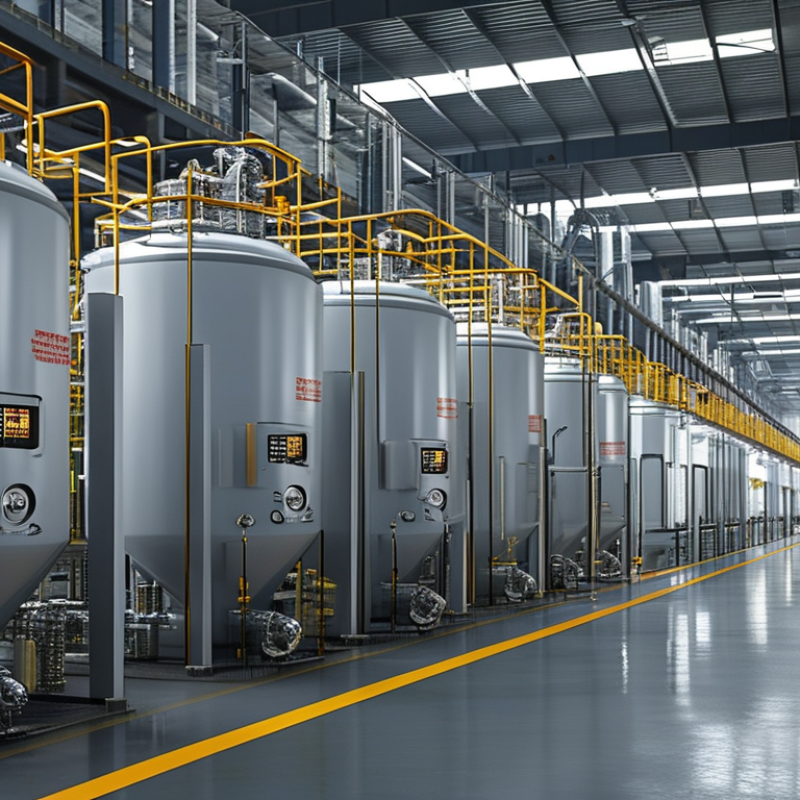
Hydrogen Gas Plants: Definition, Purpose, and Core Functions
China Best Hydrogen Gas Plant Manufacturer and Supplier
Hydrogen Gas Plants: Definition, Purpose, and Core Functions
A hydrogen gas plant is an engineered facility that produces, purifies, compresses, and stores hydrogen. Its purpose is not simply making gas. It must deliver stable purity, pressure, and flow for industrial users. Common production routes include water electrolysis and natural-gas reforming with controlled purification. According to the International Energy Agency’s Global Hydrogen Review 2024, global hydrogen demand reached almost 100 million tonnes in 2023. However, low-emissions hydrogen supplied less than 1% of that demand. This gap shows why efficient plant design still matters.
Core functions begin with feedstock treatment and hydrogen generation. Purification systems remove moisture, oxygen, carbon compounds, and other impurities. Compressors then raise pressure for pipelines, cylinders, or onsite use. Storage vessels balance production changes and demand peaks. Sensors monitor leaks, temperature, pressure, and gas quality. The International Renewable Energy Agency reports that electrolyzer costs and renewable electricity prices remain major factors in green hydrogen economics. A technically sound plant can still perform poorly if water quality, maintenance access, or power fluctuation receives little attention. That is often overlooked.
Tips: Check the required purity before selecting equipment. Confirm local safety codes and ventilation needs. Request measured efficiency data, not only brochure estimates. Leave space for maintenance. Small design compromises can become expensive later. Regular inspection records also support safer operation and more reliable output.
How to Evaluate a Hydrogen Plant Manufacturer in China
Choosing a hydrogen plant manufacturer in China requires more than comparing quotations. Ask how the team has handled similar projects, not just how many units it sells. Request operating data from plants with comparable feedstock, capacity, and climate. A serious supplier can explain gas purity, energy use, water demand, and maintenance intervals. Numbers should be traceable. Vague promises deserve a pause.
Review engineering competence through process drawings, safety studies, and equipment specifications. Check whether pressure control, leak detection, ventilation, and emergency shutdown systems follow recognized international practices. Ask who certifies critical components and how factory acceptance tests are recorded. Visit the production site if possible. Look at weld quality, cable labeling, instrument calibration, and spare-parts storage. Small details reveal working habits.
Reliability also depends on support after delivery. Clarify commissioning duties, operator training, remote assistance, response times, and warranty limits. Speak with previous customers privately, when permitted, and ask about delays or design changes. The cheapest proposal may exclude water treatment, installation, or compliance documents. That mistake can become expensive. I would still challenge every forecast, because performance changes with feedstock, weather, and operating discipline. A manufacturer worth considering accepts technical questions and documents its limits clearly.
Hydrogen Gas Plant Manufacturing, Installation, and Quality Control
Hydrogen gas plant manufacturing demands disciplined engineering from the first process drawing. A reliable manufacturer studies gas purity, production capacity, pressure limits, and site conditions before cutting metal. Equipment may include electrolyzers, gas separators, dryers, compressors, storage vessels, and control cabinets. Each unit needs a clear process role. Details matter.
During fabrication, engineers verify material certificates, weld quality, surface treatment, and dimensional accuracy. Welds can receive visual, radiographic, or ultrasonic inspection, depending on design requirements. Pressure tests should follow approved procedures and documented safety controls. Instruments also require calibration records. Small errors can become expensive during commissioning. That lesson is easy to underestimate.
Installation requires more than positioning equipment on a foundation. Technicians check pipe alignment, electrical grounding, ventilation, leak detection, emergency isolation, and control-system signals. Before introducing hydrogen, the team performs line cleaning, pressure testing, instrument checks, and controlled commissioning steps. Site conditions may force drawing revisions. That is normal, but every change needs technical review and traceable approval. Quality control should continue after handover through operating records, maintenance schedules, and periodic inspections. A plant can look complete while one sensor remains poorly calibrated. Careful verification prevents that weakness.
Applications, Safety Standards, and Maintenance Requirements
Hydrogen gas plants support fuel-cell systems, chemical processing, metal treatment, laboratory testing, and clean industrial heat. Each application needs a different purity, pressure, and flow design. An experienced manufacturer should verify these requirements before selecting electrolyzers, compressors, storage vessels, and control systems. Small leaks matter. Hydrogen moves quickly through narrow gaps and ignites across a wide concentration range, so ventilation and detection must be designed into the plant.
Safety depends on layered protection, not one device. Plants should follow applicable local regulations and recognized guidance, including hydrogen installation, pressure equipment, and hazardous-area standards. Electrical equipment may require classification under IEC 60079 or equivalent national rules. Emergency shutdown buttons should remain visible and reachable. Pressure relief devices need correct sizing, discharge routing, and scheduled testing. Grounding, bonding, flame-resistant materials, and oxygen monitoring also deserve documented verification. A checklist is never enough.
Maintenance should include routine leak testing, sensor calibration, valve inspection, filter replacement, and compressor oil checks where applicable. Operators need written procedures for startup, shutdown, purging, and emergency response. Maintenance records should show the date, equipment condition, corrective action, and responsible technician. Do not rely on smell; hydrogen is colorless and odorless. Neglected ventilation fans or drifting detectors can create serious risk. Even well-designed plants require periodic review, because operating patterns, weather exposure, and process upgrades may change the original safety assumptions.
China Best Hydrogen Gas Plant Manufacturer and Supplier
Applications, Safety Standards, and Maintenance Requirements
Hydrogen is widely used in refining, ammonia and methanol production, metal processing, electronics, and fuel-cell systems. The chart shows key hydrogen-in-air concentration values relevant to plant safety: the lower flammability limit, the approximate stoichiometric concentration, and the upper flammability limit by volume.
Hydrogen facilities should follow applicable requirements such as ISO 19880-1, NFPA 2, local pressure-equipment regulations, and ISO 14687 where fuel-cell hydrogen quality is required. Maintenance programs typically include scheduled leak-detector testing, ventilation verification, electrical bonding and grounding inspections, pressure-relief-device checks, valve testing, and documented inspection of piping and storage equipment. Exact intervals should be established through a site-specific risk assessment and equipment manufacturers’ instructions.