Best Red Brick Machine for Global Buyers in China?
In recent years, the demand for Red Brick Machines has surged among global buyers. According to the Global Brick Market Report 2023, the brick manufacturing industry is projected to grow at a CAGR of 4.5% from 2023 to 2028. This growth underscores the importance of efficient machinery in meeting the rising demand for bricks, especially in developing countries.
Chinese manufacturers are at the forefront of producing advanced Red Brick Machines. Their innovative technology enhances productivity and reduces resource consumption. The efficiency of these machines is a game-changer in addressing the challenges of labor shortages and rising material costs. However, some buyers report concerns about quality control and after-sales support.
Despite the competitive pricing and technological advantages, it is crucial for buyers to conduct thorough research. Evaluating the reputation of machine suppliers is essential. Building relationships with reliable manufacturers can result in better service and quality assurance. As the market evolves, understanding these dynamics will empower global buyers to make informed decisions.
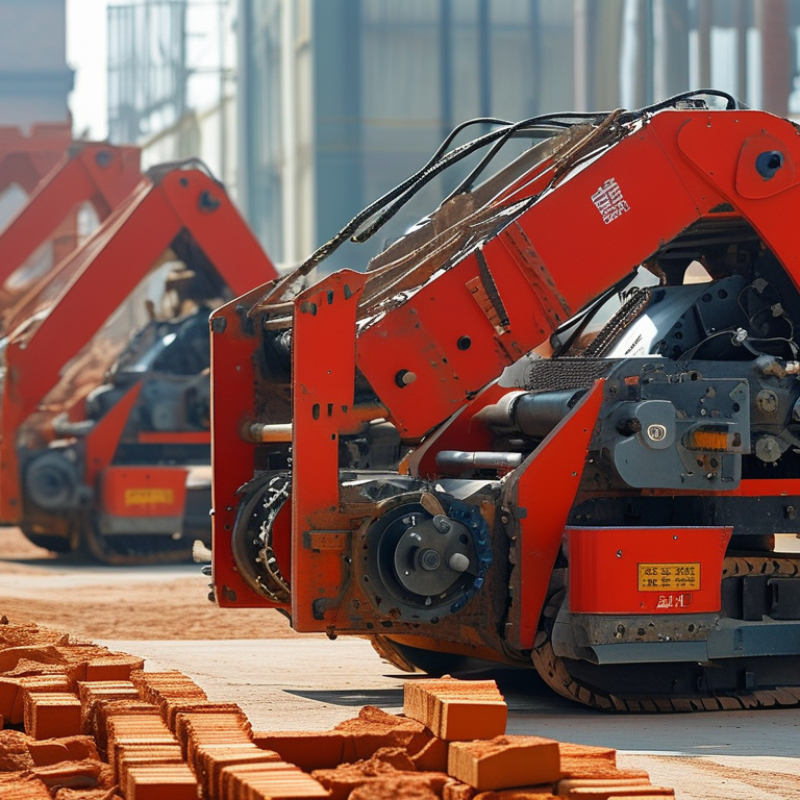
Types of Red Brick Machines Available in China
When considering red brick machines in China, it's important to understand the types available. The most common types include manual, semi-automatic, and fully automatic machines. Manual machines are cost-effective but require significant labor. Semi-automatic machines offer a balance between efficiency and cost. Fully automatic machines are the most productive, significantly reducing labor costs, but they come with a higher price tag.
According to industry reports, the market for red brick machines in China is projected to grow substantially. The demand for durable building materials drives this growth. In 2022, the value of the red brick machine market reached approximately $1.5 billion. This figure is expected to rise by over 6% annually.
However, selecting the best machine can be challenging. Buyers may find it difficult to assess quality and efficiency. Many machines are similar in appearance, but performance varies widely. It is crucial to consider specific production needs and budget constraints. Engaging with reliable suppliers and seeking firsthand feedback can help navigate these choices.
Key Features to Consider When Choosing a Red Brick Machine
When selecting a red brick machine, several key features must be taken into account. A vital aspect is the production capacity. Machines with a capacity of over 100,000 bricks per day are preferred by many manufacturers. This capacity meets the demands of large construction projects. However, potential buyers should consider their specific needs and local market demand before investing in high-capacity machines.
Energy efficiency is another critical feature. Reports indicate that machines using advanced hydraulic systems consume 30% less energy than traditional models. This not only reduces operational costs but also lowers environmental impact. Investing in energy-efficient technology is becoming a necessity in today’s market. Furthermore, the initial investment might be higher, but the long-term savings are significant.
Lastly, consider the availability of spare parts and after-sales service. Machines with a strong support network ensure minimal downtime, which is crucial for maintaining production schedules. Buyers often report frustration with machines that lack accessible parts. The overall reliability of the machine heavily depends on the manufacturer's reputation in providing lasting support. Making an informed decision based on these features can significantly influence production success.
Comparison of Key Features in Red Brick Machines
Top Manufacturers and Suppliers of Red Brick Machines in China
When exploring red brick machines in China, it's essential to consider the top manufacturers and suppliers. The Chinese market for red brick machines has seen significant expansion. According to a recent industry report, the market is projected to grow by 7% annually over the next five years. This growth reflects a rising demand for sustainable construction materials worldwide.
Leading manufacturers in this sector emphasize innovation and efficiency. Many companies focus on automation to enhance production capacity. They report that automated brick machines can increase output by up to 30%. Suppliers often provide comprehensive service packages, including installation, training, and maintenance support. However, buyers should be cautious. Not all manufacturers adhere to international quality standards consistently, leading to potential pitfalls in product reliability.
Quality assurance remains a key concern. Data shows that machinery failures can lead to production delays, affecting project timelines. Evaluating a manufacturer's reputation and previous client feedback is crucial. Some suppliers have recorded issues with machine performance that require reflection and improvement. It's clear that while choosing the right red brick machine is pivotal, ensuring ongoing support and service is equally important to sustain long-term success.
Best Red Brick Machine for Global Buyers in China? - Top Manufacturers and Suppliers of Red Brick Machines in China
| Manufacturer Location | Machine Type | Production Capacity (Bricks/Day) | Dimension (L x W x H, mm) | Price Range (USD) |
| Hebei, China | Automatic Red Brick Machine | 40,000 | 6000 x 4000 x 2600 | $15,000 - $25,000 |
| Zhejiang, China | Semi-automatic Brick Machine | 30,000 | 5000 x 3500 x 2400 | $10,000 - $18,000 |
| Shandong, China | Manual Brick Press | 15,000 | 3000 x 2500 x 2000 | $5,000 - $8,000 |
| Guangdong, China | Hydraulic Brick Machine | 50,000 | 7000 x 4500 x 2800 | $20,000 - $30,000 |
Cost Comparison of Red Brick Machines for Global Buyers
When evaluating the cost of red brick machines, buyers should consider several factors. The market is filled with options that range widely in price. A typical automatic red brick machine can cost between $25,000 and $50,000. In contrast, more basic manual machines often fall under $10,000. This significant price gap may affect purchasing decisions for global buyers.
The overall cost must include not just the machine price but also operating expenses. A recent industry report noted that energy costs could account for 20% of the operational budget. Maintenance should also factor in, with annual costs estimated at 5% of the machine's purchase price. Buyers should request detailed breakdowns from manufacturers, as some may have hidden fees. Buyers should also think critically about their specific needs to avoid unnecessary expenses.
Reliability and efficiency should also be evaluated. Studies indicate that higher upfront costs can lead to lower long-term expenses due to reduced maintenance. However, not all expensive machines guarantee superior performance. Conducting thorough research is vital to ensure a sound investment. Additionally, considering local market conditions and availability of services is crucial in making the best choice for red brick production.
Tips for Importing Red Brick Machines from China to Other Markets
When considering importing red brick machines from China, there are several key factors to keep in mind. First, understand the technical specifications that meet your market demands. For instance, current industry reports indicate that automated machines are becoming more popular due to their efficiency. A machine producing 15,000 bricks per shift can significantly boost production, meeting rising consumer demands.
Next, focus on evaluating suppliers. Look for manufacturers with experience and a solid reputation within the industry. According to a recent survey, 67% of buyers cited reliability and post-purchase support as critical in their decision-making process. Engaging in factory visits and reviewing quality control processes can provide insights into a supplier's capability and commitment to quality.
Another consideration is understanding regulatory requirements in your local market. Compliance can vary greatly by region. Some countries may require specific certifications for machinery imported from abroad. Failing to adhere to these regulations could delay the import process or result in fines. Keeping updated with legal standards is essential for a smooth purchasing experience. Being proactive in this area can save considerable time and resources later on.