Best Raised Floor Solutions For Your Office Needs?
In today's dynamic office landscape, the choice of flooring plays a critical role in ensuring both functionality and aesthetic appeal. The incorporation of raised floors for office environments has emerged as a preferred solution, with industry reports indicating that more than 70% of modern workplaces are now adopting this design. Raised floors contribute not only to better cable management but also to enhancing air circulation, promoting a healthier workspace.
According to a study by the Facilities Management Journal, more than 65% of businesses report improved adaptability to technological changes with raised flooring solutions. These floors allow for easy reconfiguration of office layouts, supporting changes in the workforce and technological advancements. However, it is essential to recognize that not all raised floor systems are created equal. Some may struggle with airflow or noise reduction, leading to dissatisfaction among employees.
Companies should consider their specific needs carefully before making a decision. Investing in high-quality raised floor systems can significantly boost productivity and employee morale. Yet, there remains a significant gap in understanding the long-term benefits versus the initial investment, reminding us that thoughtful planning is crucial for successful implementation.
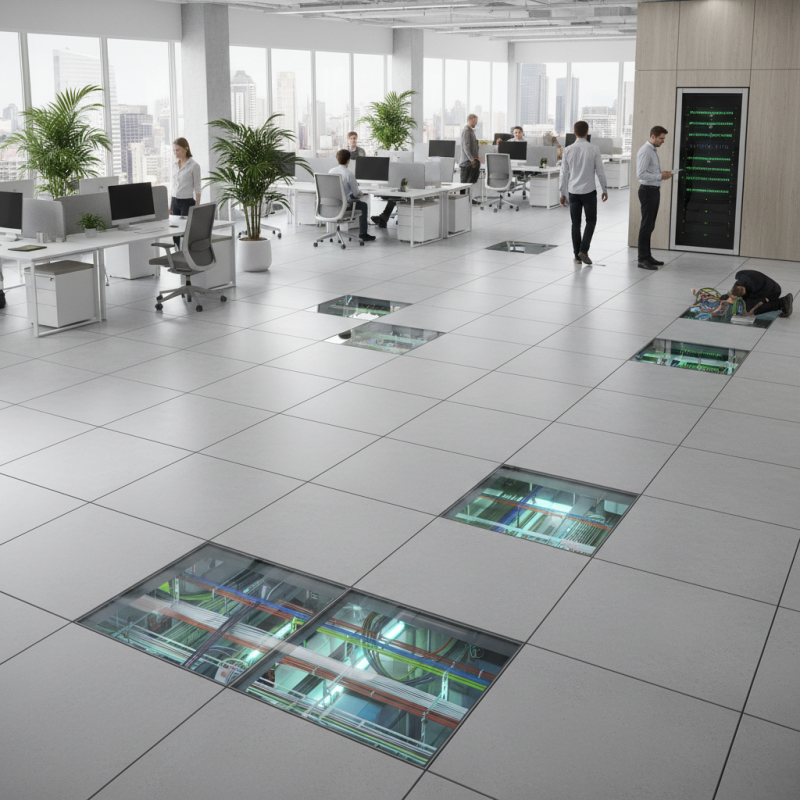
Overview of Raised Flooring Systems and Their Benefits
Raised flooring systems have gained popularity in modern office environments. They provide flexibility and adaptability for changing workspace needs. A report by ResearchAndMarkets states that the global raised flooring market is expected to grow by 8.5% annually. This indicates a strong trend toward using raised floors in commercial settings.
One main benefit of raised flooring is improved airflow. With better ventilation, indoor air quality significantly enhances. According to the U.S. Environmental Protection Agency, better air quality can increase worker productivity by up to 20%. This is crucial for office environments focused on employee well-being. Another advantage is the ease of access for wiring and utilities. Businesses can adapt their layouts without major renovations.
When considering raised flooring, plan for maintenance. Dust and debris can accumulate under the panels, affecting performance. Regular inspections are essential. Consider a system designed for easy removal and cleaning. Also, ensure the flooring structure can support necessary weight, especially in data centers. Awareness of these practicalities helps avoid future issues and contributes to a more efficient workspace.
Types of Raised Floor Solutions for Varied Office Environments
Raised floors can transform office spaces immensely. They provide essential flexibility for modern work environments. Different types cater to varied office needs.
For tech-heavy offices, a high-performance raised floor is ideal. This solution accommodates numerous cables and ensures proper airflow for equipment. In contrast, a lighter option might suffice for more traditional spaces with fewer technological demands. It's crucial to assess your specific requirements beforehand to avoid overspending on unnecessary features.
Another option is the composite raised floor, which combines aesthetics with functionality. It offers a polished look while keeping practicality in mind. Installing such floors may require skilled labor, and expectations should be managed. Every office environment is distinct, and achieving the right balance can be challenging yet rewarding. Embracing these imperfections can lead to a more tailored, effective workspace.
Key Considerations When Selecting Raised Flooring for Offices
When selecting raised flooring for offices, several key considerations come into play. The purpose of the raised floor system is fundamental. For instance, you need to consider how much cabling and airflow your office requires. An efficient layout allows for effective management of these essential elements.
Another significant factor is the material choice. Different materials have varying strengths and aesthetics. Some materials provide better durability, while others may enhance sound insulation. It is crucial to find a balance that meets your office's specific needs.
Furthermore, installation and maintenance costs should not be overlooked. Some raised floor systems may seem affordable upfront, but ongoing maintenance can add to long-term expenses. Evaluating the lifecycle and total cost is vital for sustainable decision-making. Challenging issues can arise, like uneven flooring or difficulties with accessibility. Constant reflection on these aspects allows for improved office functionality.
Best Raised Floor Solutions For Your Office Needs?
| Raised Flooring Type | Material | Load Capacity (lbs/sq ft) | Height Adjustment Range (inches) | Price Range (per sq ft) |
| Steel Raised Floor | Steel | 200 | 2 - 12 | $6 - $10 |
| Vinyl Raised Floor | Vinyl | 150 | 1 - 10 | $5 - $9 |
| Concrete Raised Floor | Concrete | 300 | 4 - 16 | $8 - $12 |
| Wood Raised Floor | Wood | 150 | 3 - 15 | $7 - $11 |
| Tile Raised Floor | Composite | 200 | 2 - 10 | $10 - $15 |
Installation Processes and Best Practices for Raised Floors
Raised floors offer significant advantages for office environments, particularly in installation processes. When done correctly, they provide flexible space management, improved air circulation, and essential access to electrical and data cabling. According to a 2022 report from the International Facility Management Association, offices with raised floors can reduce energy costs by up to 30%. This is largely due to optimized HVAC systems that benefit from enhanced airflow.
Installing a raised floor involves careful planning and execution. Begin by assessing the building’s layout to determine floor height and material choice. Engage experienced professionals, as improper installation can lead to shifting tiles or inadequate support, which might invite high maintenance costs later. Best practices suggest starting from a corner, ensuring that all panels fit snugly to prevent any movement. It's important to check local building codes as compliance is crucial.
However, reflections on past projects often highlight challenges. Misalignment of panels can create trip hazards, and poor air distribution systems lead to inefficiencies. Continuous assessment throughout the installation process can help mitigate these problems. Engaging with teams who have a proven track record can greatly enhance reliability and performance outcomes. Ultimately, a well-executed raised floor installation can transform an office space, making it more adaptable and efficient.
Maintenance and Durability Factors for Raised Flooring Solutions
In modern office environments, raised flooring solutions provide flexibility and efficiency. However, their maintenance and durability are crucial factors to consider. Industry reports indicate that up to 65% of raised flooring installations experience performance issues over time. This often stems from inadequate maintenance practices. Regular inspections can prevent minor wear from escalating into major problems.
Durability also varies among different materials used in raised flooring systems. For instance, laminate floors can wear out quickly in high-traffic areas. Studies suggest that systems featuring aluminum or steel support structures tend to provide enhanced longevity. They resist impacts better and can withstand heavy loads. Attention to environmental conditions is important. Elevated humidity levels can warp certain flooring materials if not managed properly.
Office managers should note that a proactive maintenance schedule can extend the life of raised floors. Cleaning procedures, such as vacuuming beneath the panels, remain essential. While many organizations overlook this aspect, neglect can lead to costly repairs. Balancing initial cost with long-term performance is vital. Implementing quality checks and regular upkeep ensures the advantages of raised flooring do not diminish over time.
Maintenance and Durability Factors for Raised Flooring Solutions