
Blog

Best Power Phase Converter for Your Energy Needs?

In today's energy-driven world, the quest for the ideal "Power Phase Converter" is more critical than ever. As Jerry Thompson, a renowned expert in energy solutions, states, "The right phase converter can transform your energy efficiency." A power phase converter can seamlessly convert single-phase power into three-phase power, making it essential for industrial and commercial applications.

Selecting the best power phase converter depends on various factors, including load requirements and environmental conditions. Most users overlook the importance of matching the converter's capacity to their specific energy needs. This oversight can lead to inefficiencies and increased operational costs.

Understanding the complexities of power phase conversions is vital. Each project is unique, and a one-size-fits-all approach rarely works. Engaging with experienced professionals can provide invaluable insights into optimizing energy use. Investing time in research and consideration can significantly impact long-term efficiency and sustainability.
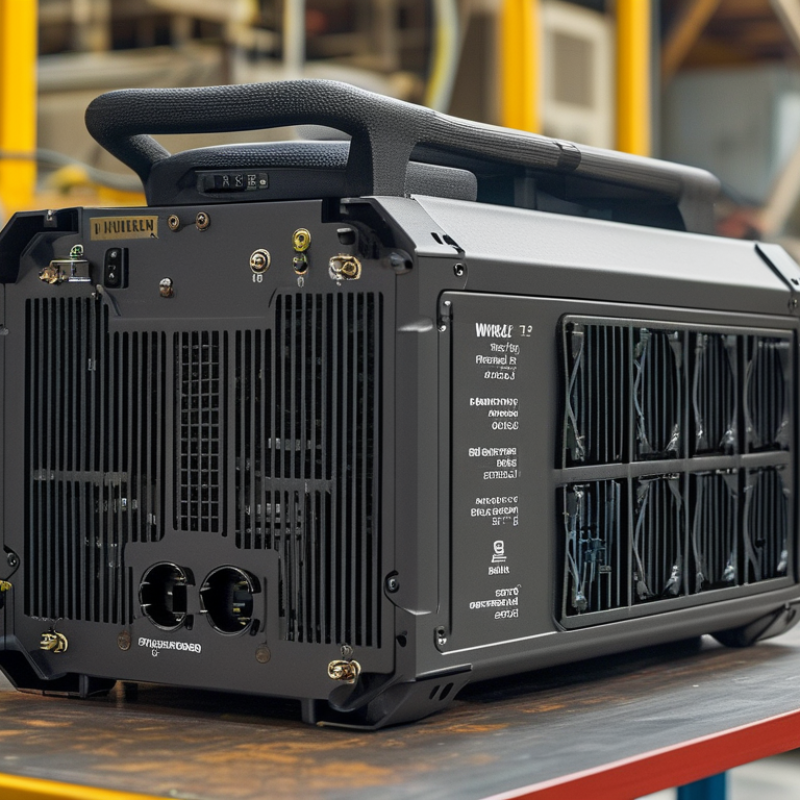
Best Power Phase Converter for Your Energy Needs?

Understanding Power Phase Converters: Types and Functions

Power phase converters play a crucial role in energy systems, converting single-phase power to three-phase power. This transition is vital for industries requiring three-phase equipment. Data shows that approximately 70% of industrial machines operate on three-phase power, creating an increasing demand for converters.

There are several types of power phase converters, including rotary and static converters. Rotary converters provide a balanced power output, making them favorable for larger loads. Static converters, on the other hand, are more economical for lighter loads. According to industry reports, rotary converters can achieve efficiencies over 95%, while static converters typically range between 85% to 90%. Each type has its pros and cons, and the choice depends on specific energy needs.

Understanding the applications of these converters is critical. For instance, improper sizing of a converter can lead to inefficiencies and potential equipment damage. Surveys indicate that at least 30% of businesses using converters experience issues due to incorrect specifications. Therefore, careful evaluation and consultation with experts can yield better outcomes for energy efficiency and operational reliability.

Key Factors to Consider When Selecting a Power Phase Converter

When selecting a power phase converter, several key factors come into play. Understanding your energy needs is essential. Each converter type has specific voltage and amp ratings. Assess your equipment's requirements before making a decision. It's also wise to consider the phase converter's capacity. A unit that cannot handle your machinery's demand may lead to inefficiencies or damage.

Durability is another crucial aspect. Power phase converters encounter various environmental conditions. Industrial settings may induce stress on equipment. Therefore, selecting a model built to withstand harsh environments can prevent future issues. Look for converters made from high-quality materials. This will enhance reliability and reduce maintenance costs over time.

Moreover, ensure the converter maintains efficiency under different loads. Some models perform well at full capacity but falter at lower usage. Regularly monitoring usage patterns can help identify inconsistencies. Don’t overlook installation requirements either. A poorly installed converter can undercut its effectiveness. Seek professional help if uncertain about the installation process. This ensures safety and performance align with your energy objectives.

Efficiency Ratings: How They Impact Energy Costs and Savings

When choosing a power phase converter, efficiency ratings play a crucial role in determining energy costs. An efficient converter can enhance your electricity usage. High efficiency means you'll spend less on energy bills, leading to long-term savings. Energy-efficient models convert power with minimal loss, making them a smart choice. The right choice can significantly reduce your operating costs.

Understanding the efficiency ratings is not always straightforward. Many consumers confuse high ratings with high costs. This misconception can hinder a well-informed purchase. Some of the most efficient models have lower upfront prices but offer larger savings over time. It's essential to analyze the specifications of different units carefully. Many converters promise efficiency but may fall short in real-world applications.

It's worth noting that efficiency can depend on the specific energy needs of your equipment. Not all solutions fit every situation. Some users might find that initial savings do not reflect ongoing energy costs accurately. Monitoring usage patterns can provide insights. Reflecting on these aspects will help ensure you choose a power phase converter that truly meets your energy needs.

Best Power Phase Converter for Your Energy Needs? - Efficiency Ratings: How They Impact Energy Costs and Savings

Converter Type Power Rating (kW) Efficiency Rating (%) Estimated Annual Energy Cost ($) Savings Compared to Standard Converter ($)
Type A 15 95 1200 200
Type B 20 92 1500 150
Type C 25 90 1800 100
Type D 30 88 2100 50

Top Power Phase Converter Brands: A Comparative Analysis

Power phase converters play a key role in transforming single-phase power into three-phase power. This is vital for industries that require substantial energy for machinery. According to a 2022 industry report, approximately 30% of manufacturing facilities depend on these converters for uninterrupted operations.

When evaluating leading brands, several factors emerge as critical. Efficiency ratings, reliability under load, and ease of installation stand out in a comparative analysis. In terms of efficiency, converters can vary significantly, with some models reporting up to 95% efficiency. This statistic underscores the importance of selecting a power phase converter that maximizes productivity and minimizes energy loss.

However, user feedback reveals some imperfections. Many installations face challenges like inconsistent power delivery or overheating components. Regular maintenance becomes necessary to avoid costly downtime. Reflecting on these experiences can provide insights into the best practices for selecting the right model. Each industry’s unique needs must guide the decision-making process for optimal energy management.

Best Power Phase Converter for Your Energy Needs

This chart provides a comparative analysis of key performance metrics for power phase converters, including efficiency, power output, input voltage, and weight. These factors are crucial in determining the best power phase converter to meet your energy needs.

Common Applications and Industry Use Cases for Phase Converters

Phase converters play a crucial role in various industries, converting single-phase power to three-phase power. This is essential for operating heavy machinery and equipment that requires three-phase systems. Common applications include manufacturing plants, farms, and workshops. Many industrial machines rely on consistent energy flows for optimal performance.

In agriculture, phase converters enable farmers to run large motors and pumps effectively. This includes equipment like grain dryers and irrigation systems. In manufacturing, these converters power machines such as lathes, mills, and CNC equipment, enhancing productivity. However, choosing the right phase converter can be challenging. Factors like load requirements and starting torque must be considered.

It’s important to evaluate specific needs accurately. Some businesses may underestimate their energy demands, leading to inadequate converter choices. This can result in operational inefficiencies and increased costs. Testing different systems to ensure compatibility is recommended. Engaging with experts in phase converter selection may provide valuable insights.

Copyright © 2025 The Toolroom Inc. All Rights Reserved.
Website Design St Louis by IQComputing