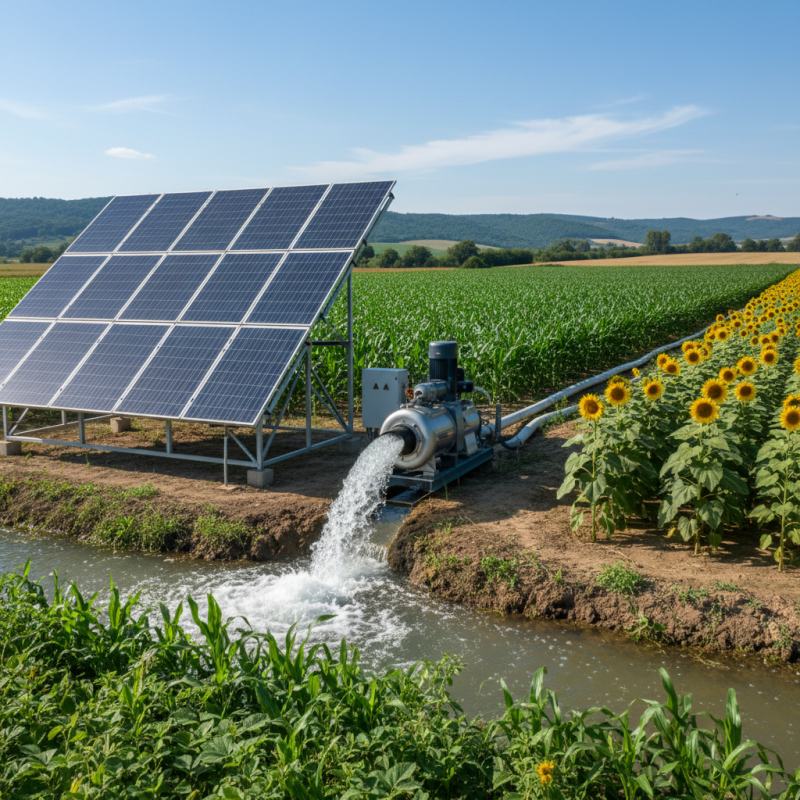
Best High Flow Solar Pump for Efficient Water Solutions?
In recent years, the demand for sustainable energy solutions has surged. Among these solutions, the High Flow Solar Pump stands out. It provides an eco-friendly option for various water needs, from irrigation to residential use. This pump utilizes solar power, reducing reliance on traditional energy sources. Its design is efficient, aiming for maximum water output.
However, not all High Flow Solar Pumps are created equal. Some may underperform or lack durability. Research is essential when selecting the right pump. Factors such as pump capacity and solar panel compatibility come into play. Users must also consider installation and maintenance aspects.
Ultimately, investing in a reliable High Flow Solar Pump can lead to significant long-term savings. Yet, potential buyers must weigh options carefully. The right choice can enhance water management while promoting sustainability. A thoughtful selection can make all the difference.
Best High Flow Solar Pump Types and Their Applications
When considering high flow solar pumps, various types emerge for different applications. These pumps can efficiently manage large water deliveries in agricultural, recreational, and even household contexts. Submersible solar pumps are ideal for deep well applications, delivering water in remote areas. Surface solar pumps work well for irrigation and garden watering. Each type has unique benefits and limitations that need careful evaluation.
For anyone looking to choose a high flow solar pump, here are some tips. Understand your water needs first. Assess the volume of water required and the height it needs to be lifted. This can help you select the optimal pump type. Additionally, consider the location and sunlight exposure. A well-situated pump can vastly improve efficiency.
Maintenance is crucial for any solar pump system. Regular checks can prevent potential issues. Examine connections and the solar panels for dirt. This ensures they operate at maximum efficiency. Furthermore, be cautious about relying solely on solar energy. Backup power might be necessary for cloudy days. Balancing these factors can enhance your water management solutions significantly.
Best High Flow Solar Pump for Efficient Water Solutions
| Pump Type | Max Flow Rate (GPH) | Power (W) | Application | Key Features |
| Submersible | 1500 | 300 | Irrigation | High efficiency, Durable |
| Surface | 2000 | 350 | Garden fountains | Quiet operation, Energy-efficient |
| Hybrid | 1200 | 500 | Aquaculture | Dual power source, Versatile |
| Inline | 1000 | 250 | Water transfer | Compact design, Easy installation |
Key Specifications: Flow Rate, Power Output, and Efficiency Ratios
When choosing a solar pump, the flow rate is crucial. A high flow rate indicates that the pump can move a significant volume of water efficiently. Look for pumps with a flow rate of at least 2,000 liters per hour for most domestic applications. This specification ensures adequate water supply for irrigation or other needs. Consider the width and depth of your water source when assessing flow rate capability.
Power output impacts the overall efficiency of the solar pump. Higher output means better performance under varied sunlight conditions. A well-designed solar pump should operate effectively even with less sunlight. Efficiency ratios are vital for understanding the pump's operational cost over its lifespan. Aim for pumps that convert at least 20-25% of solar energy into usable power.
While these metrics provide a solid foundation, actual performance can vary. Regular maintenance is necessary to maintain efficiency. Installation plays a significant role; improper setups can lead to suboptimal performance. Also, consumer feedback often reveals unanticipated challenges. Each location has unique conditions that affect pump performance. Always gather multiple opinions and experiences before making a decision.
Comparison of Leading Brands: Performance Metrics and Industry Insights
In recent years, the demand for efficient water solutions has led to a rise in the popularity of solar pumps. These pumps are designed to harness solar energy, providing a sustainable option for various applications. Industry data suggests that high flow solar pumps can deliver up to 30% more efficiency compared to traditional electric pumps. This remarkable performance stems from advancements in solar panel efficiency and pump design.
A recent report highlighted that leading brands in the solar pump market show variations in performance metrics. For instance, their flow rates can range from 5 to over 50 gallons per minute, depending on the model and solar input. Notably, one pump type demonstrated a drop in performance during cloudy weather, raising questions about reliability. In assessing energy consumption, some models consume less than 200 watts, which is impressive for high-output pumps. However, understanding these nuances requires thorough research and comparison.
When selecting a solar pump, users need to consider their specific needs. Sizing the pump correctly is critical, as an overpowered system can lead to inefficiency. It's also essential to evaluate the quality of components, including the inverter and controller. Although some products excel in certain conditions, their performance may not be as reliable under varying environmental factors. Hence, exploring user reviews and expert insights can provide a clearer picture of what to expect.
Installation and Maintenance Considerations for Solar Pumps
When considering solar pumps, installation and maintenance play a crucial role in their efficiency. Proper installation ensures the pump operates at its best. Begin by selecting a location with ample sunlight exposure. Aim for an area that avoids shade. Ground preparation is key. Ensure the base is level to prevent any misalignment during operation.
Regular maintenance is essential for longevity. Inspect the solar panels for dirt and debris. Clean them to maintain optimal performance. It’s important to check the connections and wiring regularly. Any loose connections can lead to decreased efficiency. Pay attention to the pump's intake and filter. Clogs can diminish water flow, requiring you to clear these components frequently.
Despite the advantages, challenges can arise. Some users report difficulties during installation due to uneven terrain. Others find maintenance tasks time-consuming. However, the benefits often outweigh these hurdles. Solar pumps can greatly reduce energy costs and promote sustainability. Balancing the initial challenges with the long-term gains is key for a successful solar pump experience.
Cost Analysis and Long-Term Savings of High Flow Solar Pumps
High flow solar pumps offer an innovative solution for water management in various applications. They harness sunlight, reducing dependence on traditional energy sources. This makes them eco-friendly and cost-effective over time. Their operational efficiency often results in significant energy savings.
When evaluating long-term savings, it’s essential to consider installation costs and maintenance. While initial expenses can be higher, the absence of electricity bills translates to savings over years. Additionally, many solar pumps require minimal upkeep, which can further reduce long-term expenses. However, one must consider regional sunlight availability. Areas with consistent sun will see a better return on investment.
It’s also important to assess the actual water demand. Oversizing a pump leads to unnecessary costs. Conversely, undersizing may result in inefficiency. Awareness of these aspects can help in making a more informed choice. Balancing performance with cost is critical to maximizing benefits. Recognizing the importance of feasibility studies before purchasing can prevent regrettable decisions.
Cost Analysis and Long-Term Savings of High Flow Solar Pumps