10 Best Bolt Screw Suppliers for Global Buyers
Choosing a dependable Bolt Screw supplier involves more than comparing unit prices. A low quote may look attractive, but material consistency, dimensional accuracy, and delivery reliability matter just as much. For global buyers, small differences can affect assembly schedules, product performance, and the cost of rework.
This guide presents 10 suppliers worth considering, with attention to product range, manufacturing capabilities, customization, quality documentation, and export support. Buyers should check whether a supplier can provide the required grades, finishes, thread types, and test records for a specific application. Ask for clear quotations, realistic lead times, and sample parts when appropriate. A polished catalog is useful, but it cannot replace careful verification.
Details matter. A shipment of mixed fastener sizes, unclear packaging labels, or incomplete inspection records can create avoidable delays at receiving. Supplier claims should be confirmed directly, since capabilities and certifications can change. Compare responses, not just websites. No shortlist is perfect. The best choice depends on order volume, technical requirements, destination, and the level of support your team needs. Use these profiles as a starting point, then confirm specifications and commercial terms before placing an order.
What Bolt and Screw Suppliers Provide to Global Buyers
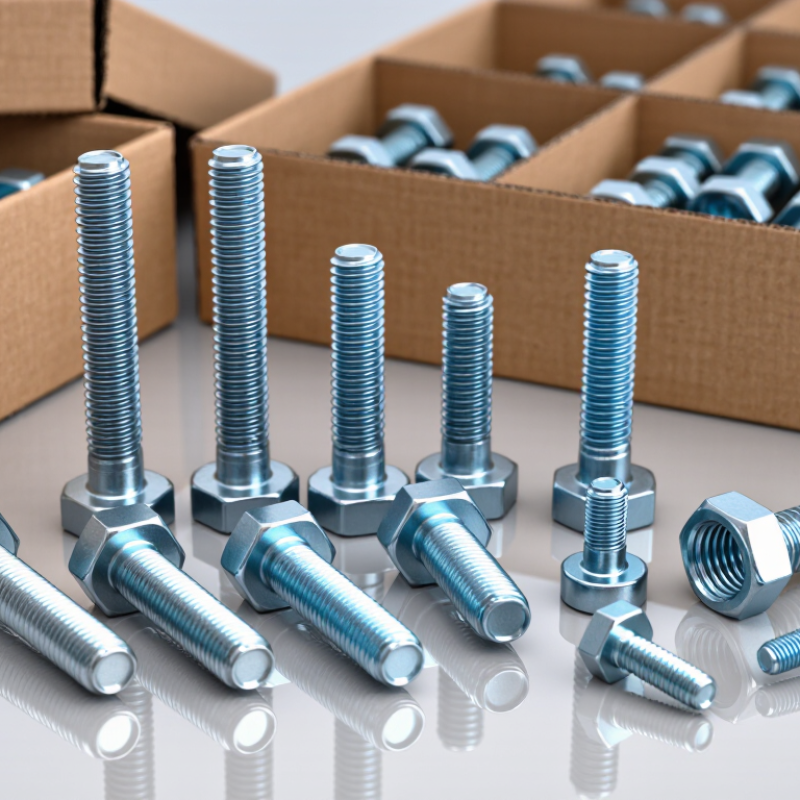
Global bolt and screw suppliers provide more than standard fasteners. Buyers may source bolts, screws, nuts, washers, and threaded rods in different dimensions and finishes. Useful suppliers clarify material grades, thread types, strength ratings, and tolerances before an order is confirmed. This detail matters when a fastener must fit an existing assembly. A small mismatch can slow production.
Many suppliers also offer custom specifications, sample orders, inspection reports, and export packaging. Depending on the product, documentation may include material certificates or dimensional checks. Clear lead-time updates help buyers plan around shipping and production schedules. Ask how orders are packed; mixed sizes in one carton can create extra work. Still, no supplier is perfect, and even a polished sample may not reveal every production issue.
Tips: Share drawings, target quantities, and application details before requesting a quote. Confirm the measurement system and coating requirements in writing. For a new supplier, review a sample and agree on inspection criteria before placing a large order. Keep communication records. Small checks help.
How to Evaluate Supplier Quality, Capacity, and Compliance
10 Best Bolt Screw Suppliers for Global Buyers
How to Evaluate Supplier Quality, Capacity, and Compliance
A supplier’s catalog shows what it sells, not how consistently it can deliver. Ask for material certificates, heat-number traceability, dimensional inspection records, and mechanical-test results for the exact bolt grade. ISO’s 2022 Survey reported 1,265,216 valid ISO 9001 certificates worldwide across 190 countries and economies. Certification can support confidence in a quality system, but it does not prove that a specific shipment meets your specification. Paper is not proof. Confirm the certificate’s scope, issuing body, and relevant production site.
Capacity needs evidence too. Compare quoted lead times with recent order records, monthly output, equipment, and current backlog. Request a sample lot, then check thread fit, coating thickness, and packaging against your drawing. The World Bank’s 2023 Logistics Performance Index tracks timeliness and shipment tracking, useful indicators when reviewing a supplier’s delivery process. Ask how delays are reported and whether production can scale during peak demand. A spreadsheet alone can still mislead.
Tips: Put grade, dimensions, finish, test method, packaging, and delivery window into one written checklist. Verify destination-market requirements before ordering, and review records for each production batch. Test the promise. If an audit is not practical, use an independent inspection before shipment.
Profiles of 10 Notable Bolt and Screw Suppliers
A reliable bolt and screw supplier should offer more than a broad catalog. Buyers need clear material specifications, consistent dimensions, and realistic delivery estimates. Here are ten supplier profiles worth comparing.
Supplier 1 focuses on standard carbon-steel bolts for routine construction and maintenance. Supplier 2 specializes in stainless-steel screws for damp or corrosive environments. Supplier 3 serves machinery makers with tight dimensional tolerances and inspection records. Supplier 4 handles custom thread sizes, though tooling can add lead time. Supplier 5 stocks small fasteners for repair shops and low-volume orders. Supplier 6 supplies bulk quantities to industrial distributors. Supplier 7 offers traceable material documentation for buyers who need verified grade details. Supplier 8 concentrates on corrosion-resistant coatings and should explain coating thickness clearly. Supplier 9 supports export orders with careful packing and shipment updates. Supplier 10 combines several product categories, but its range may be less deep in each one. Details matter.
Request sample parts, drawings, and inspection results before placing a large order. Check thread fit with the mating component, not just the catalog description. Ask how defects are handled and whether replacement stock is available. A polished website helps, but it is not proof of consistent production. Some buyers overlook packaging; loose screws can arrive scratched or mixed. Compare total cost, including testing, freight, and delays. A low quote is not always the best fit.
Bolt Strength Classes: Nominal Tensile and Yield Strength
A product-specification reference for global buyers comparing common metric bolt grades. Values shown are nominal strengths in MPa, based on the ISO property-class designation; actual minimum requirements vary by grade and product diameter.
Use the applicable standard and supplier documentation to confirm certified mechanical properties for a specific fastener.
How the Suppliers Compare Across Products and Markets
A strong bolt and screw supplier should match the application, not just offer a long catalog. Compare material options, thread types, strength grades, and available dimensions. For outdoor equipment, ask how coatings perform in wet or salty conditions. For machinery, confirm tolerances and batch consistency. These details affect fit, corrosion resistance, and service life.
Suppliers also differ in minimum order quantities, lead times, and export experience. One may provide broad product coverage but limited customization; another may handle special drawings well but ship fewer standard sizes. Ask for inspection records, material certificates, and clear packaging details. Check whether stated delivery times include production and transit. A polished catalog helps, but it does not prove reliable quality. I would still compare samples against the actual assembly. Small details matter.
Tips: Send the same drawing and annual volume estimate to each candidate. Request a sample, then check dimensions and finish before placing a large order. Clarify quote validity, packing, and shipment terms in writing. A supplier’s communication can be useful evidence, though it is not a substitute for product checks. One comparison may miss a problem; review performance again after the first shipment.
What to Consider When Sourcing Fasteners Internationally
When sourcing fasteners internationally, compare suppliers on specification control, not just unit price. Send a clear drawing with dimensions, thread pitch, material grade, coating, and tolerances. Confirm which standards the supplier can meet and how each production lot is identified. Ask for recent inspection reports and material test certificates; check that the documents match the offered parts. For critical assemblies, arrange sample testing before approving a large order. Small details matter. A bolt that fits by hand may still fail under vibration or corrosion. Do not assume a familiar grade name means identical performance across every market.
Compare the full landed cost, including freight, insurance, duties, and possible inspection fees. A low quote can become expensive when cartons arrive late or quantities are short. Request realistic lead times and written updates for production milestones. Confirm packaging prevents moisture damage, and agree on labeling that supports receiving and traceability. Clarify payment terms, delivery responsibilities, and who handles export documents. A customs broker can verify classification and import requirements for the destination. No supplier is risk-free. Even a strong audit cannot predict every delay, and that deserves honest consideration. Keep a small buffer for schedule changes, especially when one fastener holds up an entire assembly.