Best 3d Wheel Alignment Methods for Accurate Vehicle Setup?
In the automotive industry, accurate vehicle setup is crucial for safety and performance. One of the most effective methods for achieving this is through 3d Wheel Alignment. According to a recent industry report, up to 70% of vehicles on the road have misaligned wheels, leading to reduced fuel efficiency and increased tire wear. Misalignment could cost vehicle owners thousands over time, affecting both maintenance and safety.
3D wheel alignment technology offers precise measurements, utilizing three-dimensional imaging to ensure accurate angles. This advanced method helps align the wheels according to manufacturer specifications. It reduces the risk of uneven tire wear and improves handling and stability. However, not all service centers utilize this cutting-edge technology. Some rely on outdated methods, which may lead to inconsistent results. The importance of regular alignment checks cannot be overstated.
Investments in 3D wheel alignment equipment can significantly benefit businesses. A well-calibrated alignment can enhance customer satisfaction and boost sales. Despite its advantages, some shops hesitate to embrace this technology. This might be due to costs or insufficient knowledge of its long-term benefits. A reflective approach is essential for both consumers and service providers to recognize the value of accurate 3D wheel alignment.
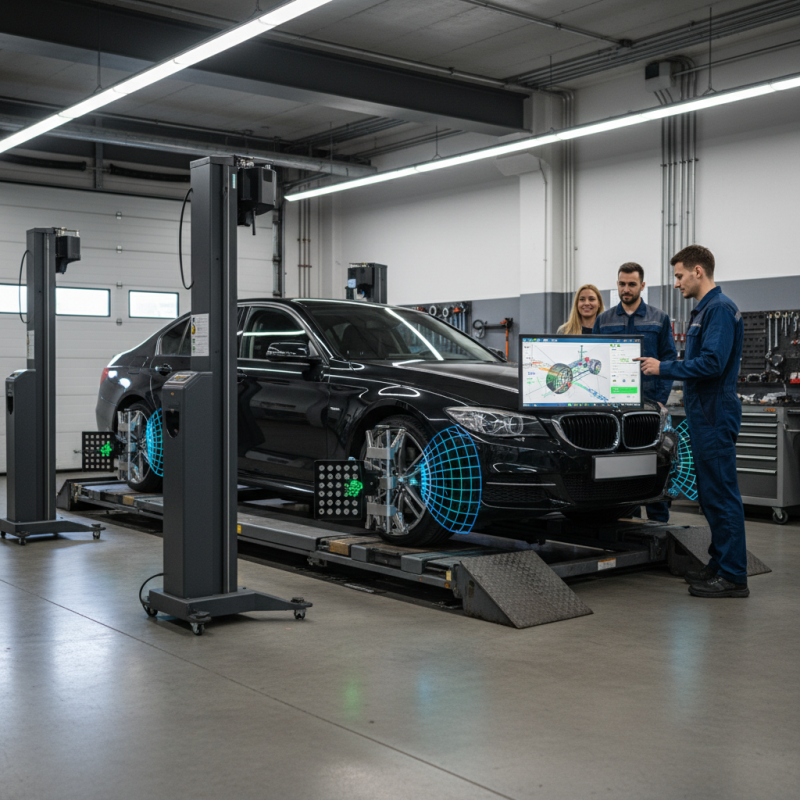
Overview of 3D Wheel Alignment Techniques
3D wheel alignment is a precise method for adjusting vehicle angles. This technique uses advanced technology to enhance performance. With a 3D system, mechanics can gain real-time data about wheel positions. This accuracy boosts tire longevity and improves handling.
Tips: Regularly check your tire pressure. Uneven wear might indicate misalignment issues. Don’t ignore strange vibrations while driving; they can signal alignment trouble too.
Understanding the various methods of 3D wheel alignment helps in achieving optimal results. Laser-guided systems provide millimeter-level precision. However, the setup can be complex. Each vehicle may require different adjustments. Calibration errors are possible without proper training.
Tips: Always ensure your equipment is calibrated. Using outdated technology can lead to inaccurate readings. Trust only experienced technicians for these adjustments. More attention to detail can save costs in the long run.
Advantages of 3D Wheel Alignment over Traditional Methods
3D wheel alignment offers significant advantages over traditional methods. These systems provide real-time data that enhance accuracy. Mechanics can see measurements instantly, ensuring adjustments are precise. This visibility helps identify issues quickly. It’s not just about the numbers; it’s also about the peace of mind that comes with accuracy.
Traditional alignment often lacks the same level of detail. Mechanics may rely on outdated practices or incomplete data. This can lead to misalignments that affect vehicle performance. In contrast, 3D alignment uses multiple cameras and sensors, capturing every angle. This innovative technology helps ensure that all four wheels align perfectly. However, not all shops may have the latest technology.
While 3D methods are advanced, they're not infallible. Misinterpretation of the data can still occur. It requires trained staff to analyze the results effectively. Customers should also be aware of this aspect. Effective communication with the technician is crucial for understanding the process. Overall, 3D alignment methods present a significant step forward in vehicle maintenance. They can elevate accuracy and enhance safety on the road.
Best 3D Wheel Alignment Methods for Accurate Vehicle Setup
| Method | Advantages | Accuracy (%) | Typical Setup Time (minutes) |
| 3D Laser Alignment | High precision, real-time adjustments, easy data recording | 99 | 25 |
| Computerized Alignment | Automated measurements, user-friendly interface, quick calibration | 95 | 20 |
| Dynamic 3D Alignment | Real-world driving simulation, comprehensive analysis, advanced feedback | 98 | 30 |
| 3D Camera Alignment | Visual feedback, quick setup, less mechanical intervention | 97 | 15 |
| Touchless Alignment | Minimal physical contact, reduces wear, fast and efficient | 96 | 18 |
Key Equipment Used in 3D Wheel Alignment Process
The 3D wheel alignment process is a precise procedure that relies heavily on specialized equipment. Essential tools include high-definition cameras, laser systems, and a computer interface. These components work together to measure angles and adjustments accurately. According to industry reports, proper alignment can improve tire life by up to 30%. This statistic highlights the economic benefit of investing in accurate equipment.
Modern 3D alignment machines can analyze data in real time. Some use reflective targets and infrared technology to capture alignment details. Regular monitoring through such systems can prevent uneven tire wear. However, challenges exist. Miscalibration or outdated systems can lead to inaccurate readings. For example, an improperly aligned vehicle may drift or require constant steering corrections.
The success of the alignment process hinges on the technician’s skill. They must interpret complex data and make real-time adjustments. A report from an automotive research group indicates that human error accounts for nearly 40% of alignment discrepancies. Continuous training remains vital for ensuring precision in adjustments. As technology advances, keeping equipment updated is equally crucial for maintaining accuracy and efficiency.
Best 3D Wheel Alignment Methods for Accurate Vehicle Setup
This chart illustrates the effectiveness of various 3D wheel alignment methods based on accuracy percentage. The data shows how different techniques contribute to ensuring optimal vehicle alignment.
Step-by-Step Guide to Performing 3D Wheel Alignment
Accurate wheel alignment is essential for vehicle performance. The 3D wheel alignment method provides precision unmatched by older techniques. A recent study shows that proper alignment can improve tire life by up to 30%. This method utilizes multiple cameras and sensors to capture the position of each wheel. It offers real-time data that helps technicians adjust settings quickly.
Performing 3D wheel alignment requires a few steps. First, ensure the vehicle is on a level surface. This is crucial; uneven ground can skew results. Next, set up the alignment machine and attach sensors on each wheel. Precision matters here. Studies reveal a mere 1 mm misalignment can lead to significant handling issues. After assessing the current alignment, make necessary adjustments based on the parameters provided by the system.
While many facilities still use traditional alignment techniques, their limitations are apparent. Some may overlook details, leading to uneven tire wear. It’s vital to regularly revisit alignment settings, especially after significant mileage or impacts. Keeping track of these changes can prevent future issues. After all, accurate measurements and timely adjustments play a crucial role in vehicle safety and performance.
Common Challenges and Solutions in 3D Wheel Alignment
3D wheel alignment offers precision, but challenges persist. One common issue is miscalibration. Sensors may not align correctly with the vehicle. This can lead to inaccurate readings, affecting setup results. Regular checks on alignment tools can mitigate this problem. Keeping equipment updated is essential for reliable performance.
Another challenge is environmental factors. Workshops can have varying temperatures, affecting equipment sensitivity. Dust and debris can interfere with the alignment process. A clean and controlled environment improves accuracy. Implementing strict cleaning protocols can help maintain equipment integrity.
Training for technicians is crucial, too. Sometimes operators lack the experience needed for complex setups. This can lead to mistakes and frustrations. Providing ongoing education ensures better outcomes. Creating a culture of learning makes a difference in service quality.