Top 10 Benefits of Using Piston Fillers in Packaging Industry?
In the fast-evolving packaging industry, the adoption of innovative technologies is crucial. One such breakthrough is the Piston Filler. This equipment enhances efficiency and accuracy in filling products. According to industry expert Jane Smith, “Piston Fillers are changing the game for manufacturers by improving precision and reducing waste.”
Piston Fillers operate by using a piston mechanism that delivers a consistent volume of product. This feature is especially beneficial for thick or viscous liquids. Manufacturers have reported significant improvements in their output and quality control. However, it's essential to recognize that not all Piston Fillers are created equal. Choosing the right model requires careful consideration.
Despite these benefits, some companies may hesitate to implement Piston Fillers. Concerns about the initial investment and operational training can be daunting. A thorough analysis of long-term gains versus short-term costs is critical. With proper planning, the transition can lead to substantial efficiencies and cost savings over time. Adopting a Piston Filler can indeed be a transformative decision in the packaging landscape.
Advantages of Piston Fillers for Accurate Liquid Measurement
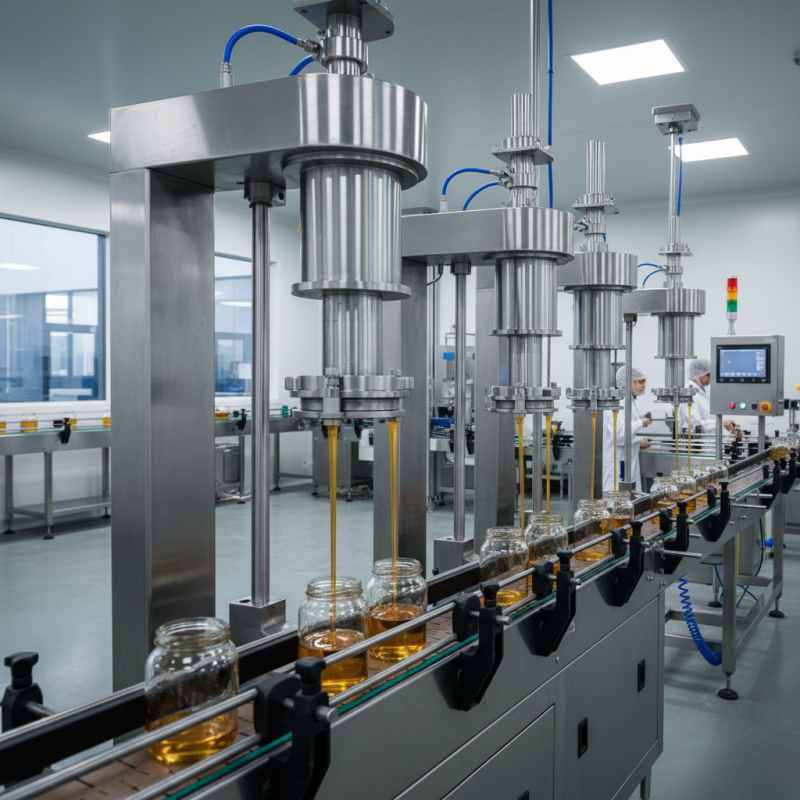
Piston fillers are essential in the packaging industry, particularly for accurate liquid measurement. These machines offer precision that is hard to achieve with manual methods. They use a cylinder to draw liquid and then dispense it consistently. This ensures that each package receives the exact amount needed.
Accurate measurements prevent product waste. Many companies face challenges with overfilling or underfilling. These errors can lead to financial loss and customer dissatisfaction. Piston fillers significantly reduce these issues. They deliver repeatable accuracy, making them reliable in high-speed production environments.
However, they aren't without challenges. Regular maintenance is crucial to keep them operating smoothly. A poorly maintained piston filler can lead to discrepancies in measurements. This can impact the quality of the final product. Training operators to understand the equipment is vital. Ensuring they know how to troubleshoot can save time and money in the long run.
Top 10 Benefits of Using Piston Fillers in Packaging Industry
| Benefit | Description |
| Accurate Measurement | Provides high precision in filling liquids, reducing waste and improving quality control. |
| Versatility | Can fill a wide range of liquid viscosities, from thin to thick formulations. |
| Reduced Downtime | Quick and easy to clean and change over, minimizing production interruptions. |
| Cost-Effective | Lower operational costs due to high efficiency and minimal waste. |
| User-Friendly | Easy to operate with intuitive controls that reduce training time for staff. |
| Enhanced Safety | Designed with safety features to minimize leaks and spills during operation. |
| Consistency | Ensures uniform filling across batches, maintaining product integrity. |
| Scalability | Easily scalable to accommodate increasing production needs without major investment. |
| Customizable Options | Can be customized to meet specific production requirements and liquid types. |
| Improved Shelf Life | Reduces exposure to air and contaminants, prolonging product shelf life. |
Enhancing Speed and Efficiency in the Packaging Process
In the fast-paced packaging industry, enhancing speed and efficiency is paramount. Piston fillers are revolutionizing this sector by offering precise and rapid filling solutions. According to industry reports, companies that implement piston fillers can increase their output by as much as 30%. This improvement not only boosts productivity but also reduces operational costs.
One significant advantage of piston fillers is their ability to handle a wide range of viscosities. This capability allows manufacturers to fill various products, from thin liquids to thick pastes, without changing equipment. As a result, facilities can streamline their operations, cutting down on the time and costs associated with maintenance and changeovers. Still, operators must regularly calibrate these machines to maintain accuracy and avoid overfilling.
Tip: Regular training for staff on piston filler operation can further optimize efficiency. Staff should also familiarize themselves with troubleshooting common issues. Continuous monitoring of machine performance is vital for maintaining high production standards.
Piston fillers also contribute to reducing waste. On average, companies report a waste reduction of approximately 15% after integrating these systems. However, it's essential to analyze filling patterns regularly. This helps identify inefficiencies and areas for improvement, ensuring that the equipment is consistently used to its full potential.
Versatility of Piston Fillers Across Different Product Types
Piston fillers are known for their versatility in the packaging industry. They can handle a wide range of products, from viscous sauces to thin liquids. This adaptability makes them suitable for many sectors. For instance, food manufacturers benefit from using them to package everything from jams to oils. Cosmetic companies also find them valuable for lotions and creams. The ability to switch between various products without major downtime saves time and increases efficiency.
Another significant advantage is the precision they offer. Piston fillers can dispense exact amounts of product consistently. This reduces waste and improves overall production accuracy. However, deciding which piston filler to use can be challenging. Different products may require specific setups or adjustments. Companies must invest time in understanding the best practices to maximize effectiveness.
Customization options further enhance their functionality. Some fillers allow for modifications, ensuring they meet unique production needs. This flexibility can lead to improved customer satisfaction. Yet, keeping up with these advancements requires continuous learning and adaptation. It's essential to remain aware of new technologies and processes in the field. The pursuit of efficiency and accuracy is never-ending.
Reducing Product Waste and Contamination Risks
The use of piston fillers in the packaging industry brings significant advantages in reducing product waste and contamination risks. According to industry reports, piston fillers can minimize waste by up to 20% compared to traditional filling methods. This reduction is crucial for producers aiming to lower operational costs and improve sustainability. The precise measurement offered by piston fillers ensures that every drop of product is utilized efficiently. This not only saves resources but also streamlines the packaging process.
Maintaining hygiene is vital in packaging. A study from the Packaging Association highlights that contamination risks decrease significantly when using piston fillers. These systems facilitate easy cleaning and maintenance, which is essential for compliance with health and safety regulations. Contamination can lead to costly product recalls and reputational damage. A focus on cleanliness in operations ensures that products remain safe for consumers.
**Tips:** Regularly inspect and maintain piston fillers to enhance performance. Providing staff with proper training on operating these fillers can also reduce the risk of contamination. Always monitor fill levels to ensure quality and minimize waste further.
Top 10 Benefits of Using Piston Fillers in Packaging Industry
Improving Operational Cost-effectiveness in Packaging Operations
Piston fillers offer significant advantages in enhancing the cost-effectiveness of packaging operations. According to a report by the Packaging Machinery Manufacturers Institute (PMMI), using modern filling technologies can reduce labor costs by up to 30%. This optimization stems from the speed and accuracy of piston fillers, which can handle viscous products more efficiently than traditional methods. As companies aim for leaner processes, these fillers minimize waste, aligning with sustainability goals.
Moreover, piston fillers contribute to operational efficiency. With accurate filling capabilities, they reduce product loss during packaging. A study from the Food Processing Association indicated that companies could save approximately $250,000 annually through improved filling accuracy. However, transitioning to piston fillers is not without challenges. Initial setup costs can be high, and staff training is essential for maximizing performance. Some businesses report difficulties in adjusting to new machinery, leading to temporary production slowdowns.
The flexibility of piston fillers is noteworthy. They can adapt to various product viscosities, from liquids to thicker pastes, enhancing their usability. Yet, this versatility may require additional adjustments in fill settings for different products. Continual monitoring is crucial to maintain efficiency and quality. Companies must assess these factors carefully to ensure the benefits outweigh potential inconveniences, paving the way for a more effective packaging operation.