
Blog

Top 10 Benefits of Heavy Loading HDPE Plastic Slip Sheets?

Heavy Loading Hdpe Plastic Slip Sheets have revolutionized the way goods are transported and stored. They offer remarkable advantages for businesses looking to enhance their logistics efficiency. The strength and durability of HDPE plastic allow for heavy loads to be moved with ease. This resilience reduces the risk of damage during transit. Moreover, these slip sheets are lightweight, which can significantly lower shipping costs.

With a growing emphasis on sustainability, Heavy Loading HDPE Plastic Slip Sheets are reusable and recyclable. They present an eco-friendly alternative to traditional pallets, aligning with many companies' green initiatives. Their design is often considered innovative, allowing for seamless integration into automated systems. Yet, not all users are fully aware of how to maximize their benefits.

Many companies may overlook the transformative potential of Heavy Loading HDPE Plastic Slip Sheets. Investing time in understanding their applications can lead to significant improvements. This exploration into their top benefits reveals how they can streamline operations. Ultimately, businesses willing to adapt and embrace these advancements will likely gain a competitive edge in their industries.
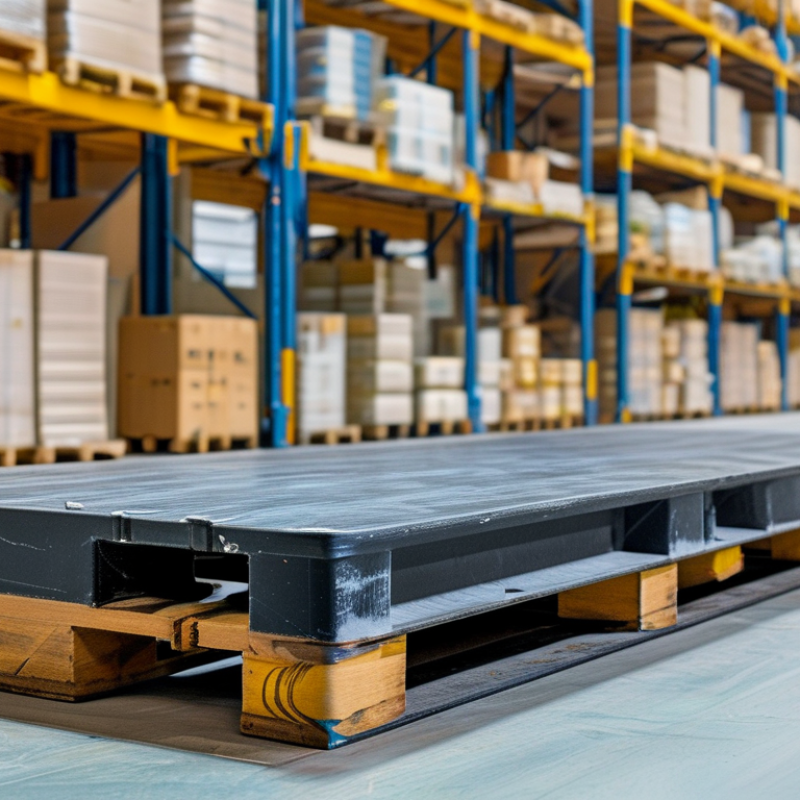
Top 10 Benefits of Heavy Loading HDPE Plastic Slip Sheets?

Benefits of Heavy Loading HDPE Plastic Slip Sheets in Supply Chain

Heavy loading HDPE plastic slip sheets offer significant advantages in the supply chain. These sheets are designed to support heavy loads while minimizing space usage. This is crucial for optimizing warehouse operations. Using HDPE slip sheets can reduce shipping costs significantly due to their lightweight nature. They also provide excellent durability, which is essential for handling various goods.

One key benefit of HDPE slip sheets is their ability to resist moisture and chemicals. This characteristic ensures the safety of products during transportation. Additionally, these sheets minimize the risk of slipping. This can lead to fewer accidents, ultimately improving workplace safety. However, users must train staff on proper handling techniques to maximize these benefits.

Tips for implementing slip sheets include assessing load weights and considering the dimensions of the shipping containers. Ensure that employees are familiar with slip sheet usage to prevent mishaps. Regularly inspect the condition of the sheets to maintain safety standards. These precautions will enhance the effectiveness of HDPE slip sheets in your supply chain operations.

Comparison of HDPE Slip Sheets vs. Traditional Wood Pallets

When comparing HDPE slip sheets with traditional wood pallets, several advantages come to light. HDPE slip sheets, made from high-density polyethylene, offer superior durability. They can withstand higher weights without warping or breaking. Reports indicate that HDPE materials can last up to five times longer than wood pallets. This longevity results in lower replacement costs over time.

Moreover, HDPE slip sheets are lighter than wooden pallets. This reduction in weight can lead to significant savings in shipping costs. A study from the Packaging Association revealed that using lighter materials can decrease overall freight expenses by 25%. HDPE slip sheets also take up less space. They can fit more product in the same shipping area, optimizing logistics and storage.

However, there are challenges. Some manufacturers are still hesitant to switch from wood due to familiarity. Training staff to handle HDPE slip sheets can incur additional time and costs. Additionally, the initial investment might be higher, posing a barrier for smaller businesses. Careful consideration of these factors is essential for a successful transition to HDPE slip sheets, ensuring that the benefits outweigh the hurdles.

Cost Efficiency: Reducing Transportation and Handling Expenses with HDPE

Heavy loading HDPE plastic slip sheets have proven to be efficient in reducing transportation and handling expenses. According to industry reports, companies can cut costs by up to 30% when switching from traditional pallets to slip sheets. This reduction results from their lightweight nature, minimizing freight costs and enabling more efficient loading. HDPE's durability ensures that these sheets can withstand heavy loads while offering protection during transport. Companies might find that using slip sheets leads to fewer damages and loss of goods, which aligns with improving overall supply chain efficiency.

Companies can enhance their logistics by utilizing HDPE slip sheets. For businesses, optimizing load designs can lead to significant savings. An intermodal shipping survey indicated that businesses utilizing slip sheets decreased their handling time by 40%. This enhanced efficiency allows teams to focus on other critical tasks.

**Tip: Always assess your current shipping methods before making any changes. You may discover hidden inefficiencies.**

Additionally, there is an environmental angle to consider. HDPE slip sheets are recyclable and have a lower carbon footprint compared to wooden pallets. However, it's crucial to evaluate the longevity of the materials used. Some slip sheets may wear out faster than expected, thus negating potential savings over time.

**Tip: Regularly review your slip sheets' condition and performance to ensure they meet your durability needs.**

Top 10 Benefits of Heavy Loading HDPE Plastic Slip Sheets

Environmental Impact: Sustainability of HDPE Slip Sheets in Industry

Heavy-duty HDPE plastic slip sheets offer significant advantages, particularly in terms of sustainability. They are made from high-density polyethylene, a recyclable material. This feature reduces the demand for new resources. In addition, HDPE slip sheets are lighter than traditional pallets, which can lead to lower transportation emissions. Using these sheets minimizes the environmental footprint of shipping goods. With lower weight, more products fit in a single load. This efficiency can potentially reduce carbon dioxide emissions.

The production process of HDPE slip sheets is also noteworthy. The material is durable and can last through many cycles of use. This longevity decreases the frequency of replacements, which can be wasteful and inefficient. Moreover, at the end of their lifecycle, HDPE sheets can be recycled into new products. However, the recycling infrastructure is not perfect everywhere. Ensuring proper disposal and recycling of slip sheets remains a challenge. Raising awareness about the importance of recycling is critical.

Furthermore, while HDPE slip sheets present many benefits, further improvement is needed in their design and production methods. Enhancing the recyclability factor can drive better practices within the industry. Encouraging manufacturers to adopt eco-friendlier techniques will be crucial as sustainability becomes a priority for logistics. The industry must continuously evaluate its practices to align with environmental goals. This ongoing reflection will promote not just efficiency but also ecological responsibility in the long run.

Top 10 Benefits of Heavy Loading HDPE Plastic Slip Sheets

Benefit Description Environmental Impact Sustainability
Lightweight Reduces fuel consumption during transportation. Lower carbon emissions. Made from recyclable materials.
Cost-effective Reduces storage and handling costs. Minimizes waste with reusable options. Long lifespan contributes to reduced consumption of raw materials.
Durability Resistant to moisture and chemicals. Lower disposal rates due to longevity. Supports sustainability through extended usage.
Versatility Suitable for various industries and applications. Less need for multiple types of packaging. Promotes a circular economy through multiple usages.
Space-saving Stackable design optimizes storage. Reduces packaging waste. Efficiency in space leads to lower environmental footprint.
Hygienic Non-porous surfaces reduce contamination risk. Fewer hazardous materials in production. Safer handling in food and medical sectors.
Customizable Easy to design for specific transport needs. Reduces the need for excess packaging materials. Better fit reduces waste during shipping.
Recyclable Can be recycled after use. Contributes to plastic recycling efforts. Supports initiatives for reducing plastic waste.
Reduced Damage Lower risk of product damage during transport. Fewer losses means less waste overall. Contributes to sustainability through efficiency.

Load Capacity: Analyzing Weight Resistance and Stability of HDPE Sheets

Heavy Loading HDPE plastic slip sheets have gained popularity for their impressive load capacity and stability. These sheets, made from high-density polyethylene, can withstand significant weight, making them ideal for various industries. According to a study by the American Society of Plastics Engineers, HDPE sheets can support loads up to 2,500 pounds. This capability is crucial for businesses that rely on heavy machinery and materials.

The design of HDPE sheets contributes to their strength. They have a smooth surface that reduces friction and enhances load distribution. This feature ensures that weight is evenly spread out, preventing potential damage to both the sheets and the goods they carry. Reports indicate that improper load distribution on pallets or other surfaces can lead to product loss or equipment failure. Using HDPE slip sheets minimizes such risks, promoting safety and efficiency.

Despite their strengths, it's important to acknowledge some drawbacks. While HDPE offers excellent resistance to chemicals and moisture, it can become brittle in extreme temperatures. This brittleness can affect integrity during very cold or very hot conditions. Companies should carefully evaluate their operating environment when selecting slip sheets to ensure optimal performance. Balancing these factors is critical for maximizing the benefits of HDPE slip sheets.

Copyright © 2025 The Toolroom Inc. All Rights Reserved.
Website Design St Louis by IQComputing