What is an Advanced Floating Boat Pontoon and How to Buy?
An Advanced Floating Boat Pontoon is a modern marvel designed for various aquatic activities. These pontoons provide stability and flexibility, making them ideal for both leisure and commercial purposes. The robust construction ensures durability, allowing them to withstand harsh weather conditions.
When considering the purchase of an Advanced Floating Boat Pontoon, it’s essential to assess your specific needs. Factors such as size, weight capacity, and materials play a vital role in your decision-making process. Researching reputable manufacturers can guide you to reliable options. It may feel overwhelming, and even experts can overlook crucial details.
Moreover, it's wise to reflect on the long-term investment. Think about maintenance and potential upgrades down the line. Purchasing an Advanced Floating Boat Pontoon is a significant commitment. Ensure that you’re making an informed choice that suits your lifestyle and goals.
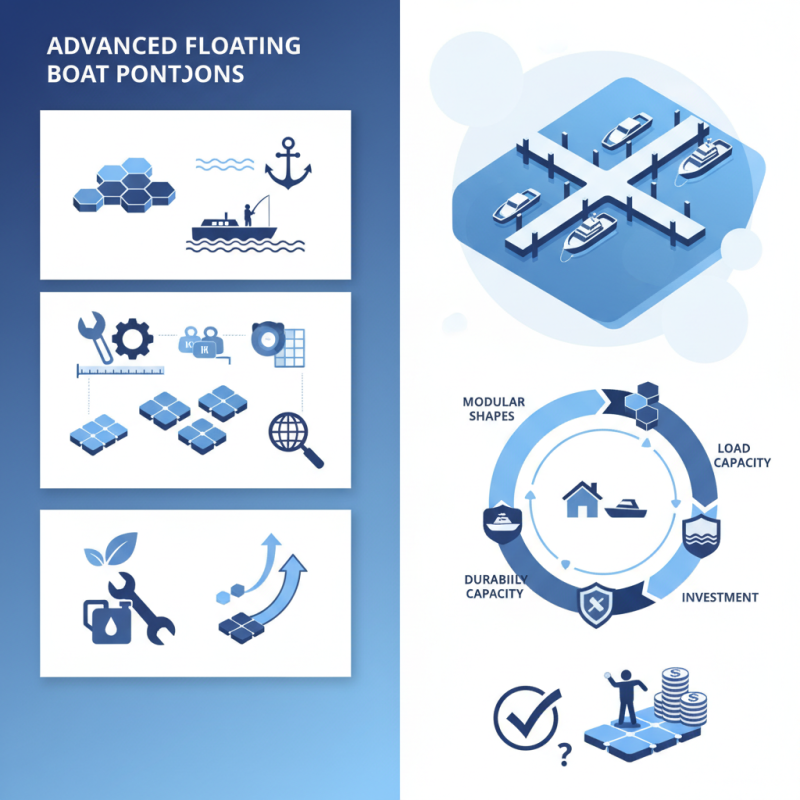
Understanding Advanced Floating Boat Pontoons: A Comprehensive Guide
Advanced floating boat pontoons are revolutionizing the marine industry. These pontoons offer significant benefits, such as enhanced stability and greater weight capacity. According to a report by the Marine Industry Association, the demand for high-quality pontoons has risen by over 30% in the last five years. This growth reflects the changing needs of boaters looking for durable and efficient solutions.
Understanding the features of advanced floating pontoons is crucial for making informed purchases. Many pontoons now utilize high-density polyethylene, providing better resistance to UV exposure and impact. Some report a lifespan exceeding 25 years with proper care. However, not all pontoons are created equal; variations in construction and design can affect performance. Awareness of these differences helps buyers avoid potential pitfalls.
Pricing also varies widely. Some entry-level options start around $3,000, while high-end custom models can exceed $10,000. Prospective buyers often overlook additional costs, such as installation and maintenance. It’s wise to research thoroughly and possibly consult industry professionals. Balancing budget and quality can be challenging, but it’s essential for a satisfactory purchase.
Key Features and Benefits of Advanced Floating Boat Pontoons
Advanced floating boat pontoons are transforming aquatic leisure activities. They offer stability and space for all types of watercraft. According to the U.S. Coast Guard, recreational boating is growing, with over 87 million Americans participating in water activities. With this increasing demand, advanced pontoons are becoming essential. They accommodate not just boats but also personal gatherings and events.
Key features of advanced floating pontoons include durable materials and customizable designs. Many pontoons use high-density polyethylene or aluminum, which resist corrosion and wear. Their modular designs allow for easy configuration. Research by the National Marine Manufacturers Association indicates that versatility is vital. Customers often seek products that enhance their experience without compromising safety.
The benefits are substantial. Enhanced stability means improved safety for children and pets. Studies show that well-designed pontoons can support up to 2,000 pounds, accommodating multiple users. However, not all pontoons offer the same benefits. It's crucial to assess the intended use carefully. Some may overlook factors like maintenance and local regulations, which could lead to issues. Ensuring that you select the right pontoon requires reflection on personal needs and environment.
Factors to Consider When Purchasing an Advanced Floating Boat Pontoon
When considering the purchase of an advanced floating boat pontoon, several critical factors come into play. A recent industry report indicated that the demand for floating pontoons has surged by approximately 35% over the last five years. This growth is driven by their versatility and functionality in various water environments. Buyers must assess the material used for construction. Durable, UV-resistant materials can significantly extend the lifespan of the pontoon. Factors such as weight capacity and stability in different weather conditions also deserve careful analysis.
Another vital consideration is the intended use. Will it serve recreational boating or commercial purposes? Understanding this can significantly influence specifications. According to marine experts, a pontoon designed for heavy loads often features additional buoyancy. Additionally, proper anchoring systems are crucial for safety. Without a reliable anchoring solution, even the best-designed pontoon can become unstable. These aspects warrant thorough research to avoid costly mistakes later.
Cost is an obvious yet often underestimated factor. Prices vary widely based on features and materials. A well-researched buyer might find options starting around $1,500, while high-end models can exceed $10,000. This price range indicates that specific needs should drive your budget decisions rather than mere brand names or aesthetics. Ultimately, careful evaluation of functionality, materials, and cost will lead to a more satisfying purchase experience.
Top Manufacturers and Brands of Advanced Floating Boat Pontoons
When looking for an advanced floating boat pontoon, you want to consider top manufacturers. Quality matters significantly, especially for safety. Leading brands focus on durability, build quality, and innovative designs. They often utilize lightweight materials. This enhances buoyancy and stability. Advanced pontoons offer features like adjustable heights and modular designs. Such options cater to different boating needs.
Researching manufacturers is key. Look for those who have a solid reputation in the industry. Check reviews and testimonials from previous customers. A reliable company should provide comprehensive support. This includes guidance on installation and maintenance. Some brands might excel in aesthetics while others focus on functionality.
Consider your specific requirements when choosing a pontoon. Personalize your selection based on the type of watercraft you have. Each manufacturer has unique strengths. Their products can differ in performance and warranty. It’s helpful to reach out directly to ask questions. Ultimately, the best choice is one that meets your needs while ensuring safety and efficiency.
Advanced Floating Boat Pontoons: Market Overview
This chart provides an overview of customer ratings on key features of advanced floating boat pontoons, including durability, design, weight capacity, stability, and price. These ratings can guide potential buyers in evaluating which pontoons may best meet their needs.
Maintenance Tips for Prolonging the Life of Your Pontoon
Maintaining an advanced floating boat pontoon is crucial for longevity. Regular inspections can prevent major issues. Check for signs of wear. Look for cracks, abrasions, or rust. These can be indicators of deeper problems. A small crack, if ignored, can lead to bigger damage later.
Cleaning is essential too. Use a soft brush to remove dirt and algae. Harsh chemicals can harm the surface. Rinsing with fresh water after use can extend the pontoon's life. Also, inspect connections and joints. Tighten any loose screws or bolts. Loose components can create stress on the structure.
Consider routine maintenance checks. Schedule them at least once a season. Areas like the motor and electrical systems need your attention. Hiring a professional may save you from costly repairs. Keeping a maintenance log can help track issues over time. Reflecting on your usage patterns can also guide you in preventive measures. Regular care pays off in the long run.
What is an Advanced Floating Boat Pontoon and How to Buy? - Maintenance Tips for Prolonging the Life of Your Pontoon
| Feature | Details |
| Material | Aluminum and High-Density Polyethylene |
| Weight Capacity | Up to 3,000 lbs |
| Dimensions | 20 ft x 8 ft |
| Recommended Usage | Recreational Boating, Fishing, Floating Docks |
| Maintenance Frequency | Every 6 months |
| Common Maintenance Tips | Inspect for damage, Clean regularly, Check connections |
| Purchase Considerations | Size, Weight capacity, Material quality, Price |