7 Tips for Treating Venous Ulcers?
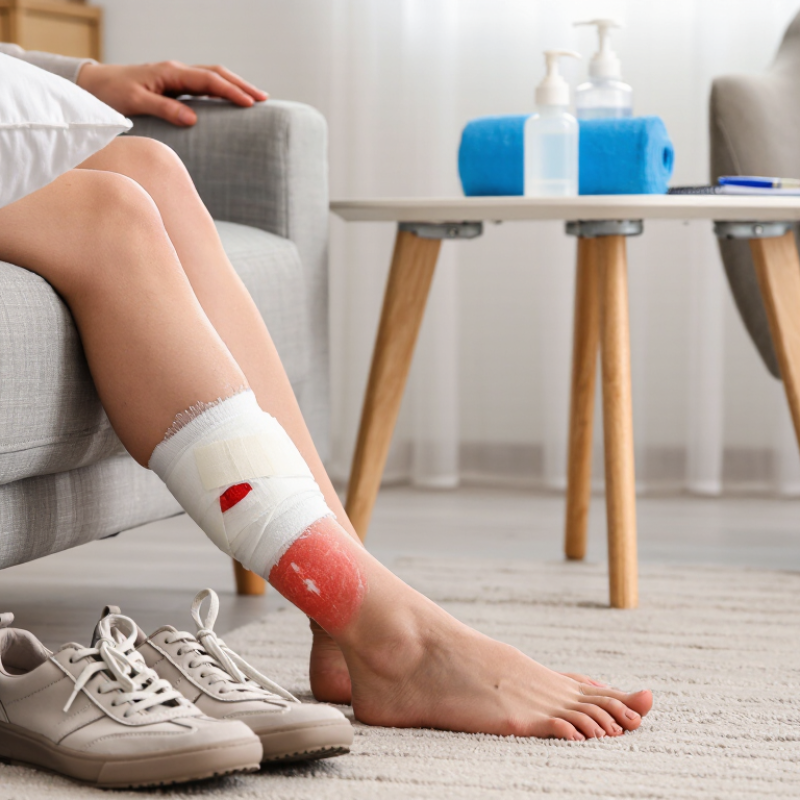
Venous Ulcers can be slow to heal, and the daily routine may feel harder than the wound itself. They often develop around the lower leg or ankle when blood does not flow back toward the heart efficiently. The skin may look fragile, swollen, or discolored, and drainage can stain a sock or dressing. Small changes matter. Effective care usually combines professional wound assessment with steps that support circulation and protect the skin. Yet no single plan fits everyone. A comfortable, well-fitting shoe can reduce rubbing near the ankle. Gentle movement may support calf-muscle action, but activity should match your health and clinician’s advice.
This guide introduces seven practical tips for treating Venous Ulcers, from following a clinician’s dressing plan to elevating the legs when appropriate. It also explains why prescribed compression can help, and why circulation should be assessed before compression begins. Keep dressings clean and change them as directed. Avoid picking at the wound or applying unapproved products. Note changes in pain, odor, redness, swelling, or drainage, and share them with a healthcare professional. Fever, rapidly spreading redness, or sudden worsening needs prompt medical attention. Healing can take time. That can be discouraging, and progress may not be a straight line. A simple diary of dressing changes, swelling, and discomfort can make follow-up visits more useful. These tips are general education, not a diagnosis or substitute for individualized care. A clinician can identify underlying causes, check for infection, and adjust treatment as the wound changes. Asking questions is worthwhile, even when the answers feel incomplete. Proper follow-up gives the wound a safer chance to heal.
Confirm Venous Disease and Check ABI; Full Compression Is Generally Used at ABI ≥0.8
Venous ulcers often appear near the inner ankle, with shallow, irregular edges and surrounding skin that may look brown or feel firm. These clues suggest venous disease, but appearance alone cannot confirm the cause. A clinician should assess the wound, circulation, medical history, and signs of infection. A clear diagnosis matters; compression can harm someone with significant arterial disease.
Check the ankle-brachial index (ABI) before applying strong compression. It compares ankle and arm blood pressure. Full compression is generally used when ABI is at least 0.8, if the patient’s overall condition and local guidance support it. Values from 0.5 to 0.8 may call for modified compression and specialist oversight. Very low readings need prompt clinical review. ABI can also be misleading when arteries are stiff or calcified, so extra testing may be needed. Do not guess.
Tips: Clean the wound gently, protect nearby skin, and use dressings suited to its drainage. Raise the legs when resting, if comfortable. Check for increasing pain, spreading redness, fever, or sudden changes. Seek care promptly if these occur. Small details matter. Compression fit and follow-up should be reviewed, not assumed.
Cleanse the Wound and Debride Devitalized Tissue When Clinically Appropriate
A venous ulcer can collect drainage, loose tissue, and residue from dressings. Gentle cleansing helps clinicians see the wound bed and surrounding skin more clearly. Use the solution and method recommended in the care plan, often saline or clean water. Pat the area dry with clean gauze; avoid vigorous rubbing, which can damage fragile tissue. Small details matter.
Debridement removes dead or devitalized tissue that may hinder healing. It is not automatically appropriate for every wound. A trained clinician should assess circulation, wound depth, pain, and signs of infection before choosing a method. If blood flow is poor, removing dry, stable tissue may cause harm. That judgment can be difficult, and appearance alone is not enough.
During care, note changes such as increasing drainage, odor, redness, warmth, or tenderness, and report them promptly. Keep the surrounding skin protected from excess moisture, since soggy edges can break down. I sometimes think “cleaner” must mean “more scrubbing,” but that assumption is wrong. Gentle, consistent care is safer than trying to make the wound look perfect in one visit.
Apply Multilayer Compression Targeting 30–40 mmHg at the Ankle
Venous ulcers often need more than a dressing. For many people, clinician-applied multilayer compression is a key part of care. The usual target is 30–40 mmHg at the ankle, with pressure gradually decreasing up the leg. Fit matters. Before compression begins, a clinician should assess circulation, often with an ankle-brachial pressure measurement. This helps identify arterial disease, which can make strong compression unsafe. The number alone is not enough; limb shape, swelling, and skin condition affect the fit.
A trained practitioner should apply the layers evenly, without folds or tight ridges. Toes should remain visible so changes in color or swelling are easier to notice. The wrap may feel firm, but new pain, numbness, tingling, or unusually cold or discolored toes need prompt medical advice. Do not simply tighten a slipping bandage. Small changes count. Keep scheduled wound-care visits, and tell the clinician if the wrap becomes wet, loose, or uncomfortable. It is easy to focus on reaching 30–40 mmHg and overlook whether the person can tolerate the layers throughout the day. That balance deserves regular review, especially as the ulcer and leg swelling change.
Protect Periwound Skin, Elevate the Legs, and Encourage Regular Walking
Venous ulcers can leave the nearby skin damp, fragile, and easily irritated. Protecting this periwound area is part of wound care, not an optional extra. Clean it gently as directed by a clinician, then pat it dry rather than rubbing. A suitable barrier product may help shield intact skin from moisture, but ask a wound-care professional what is appropriate. Keep dressings secure without pulling them tightly across the skin. Small details matter. I have seen how a rough tape edge can turn a minor itch into a sore patch.
Leg elevation can help reduce swelling for some people with venous ulcers. When resting, support the lower legs on pillows so the feet sit above heart level, if this is comfortable and your care team approves. Avoid staying in one position for hours. Short, regular walks activate the calf muscles, which help move blood back toward the heart. Even a slow trip across the room counts; ankle movements while seated can be useful when walking is difficult. It can feel tedious, and progress may not be obvious each day.
Follow your clinician’s instructions about compression, especially if you have other circulation or heart conditions. Contact a healthcare professional if the wound becomes more painful, increasingly red or warm, develops a new odor, or produces more drainage. If elevation causes breathlessness or discomfort, stop and seek medical advice.
Monitor Healing, Treat Clinical Infection, and Continue Compression After Closure
Venous ulcers can change slowly, so track healing with consistent measurements and clear notes. At each visit, record wound length, width, depth, drainage, and surrounding skin changes. A dated photograph can help show progress, with the patient’s permission. Keep the same measuring method each time; small differences can otherwise be misleading. Note pain, too. Small changes matter.
Warmth, spreading redness, increasing pain, swelling, or new pus may signal clinical infection and need prompt assessment. A positive swab alone does not prove infection, since open wounds can carry bacteria without being infected. A clinician can assess the whole picture and decide whether antibiotics or other treatment are needed. Avoid starting leftover medicines or changing wound care without advice.
Compression supports venous return when it is safe and correctly fitted. A clinician should assess circulation and select an appropriate level, especially when other health conditions affect blood flow. After the ulcer closes, continue prescribed compression to help reduce recurrence risk. Keep the plan going. Check the skin regularly, and report new breaks, discomfort, or a bandage that feels too tight. Compression can be difficult to tolerate every day; discuss practical adjustments rather than quietly stopping it.