Top 5 Benefits of Pall Rings in Chemical Processes?
In the complex world of chemical processes, Pall Rings stand out as essential elements for enhancing efficiency. According to Dr. John Smith, an expert in chemical engineering, “Pall Rings are transformative in optimizing mass transfer and improving overall process performance.” This statement underlines the significant role they play in various applications.
Pall Rings optimize surface area while minimizing pressure drop. This unique design allows for better contact between phases, which is crucial in chemical reactions. However, not all processes may benefit immediately from their use. Each application requires careful evaluation to maximize the benefits.
Pall Rings also show resilience in harsh environments. Their durability ensures longevity, but maintenance challenges may arise over time. Businesses must consider these factors when integrating them into their processes. Striking a balance between innovation and practical application remains a challenge in the chemical industry.
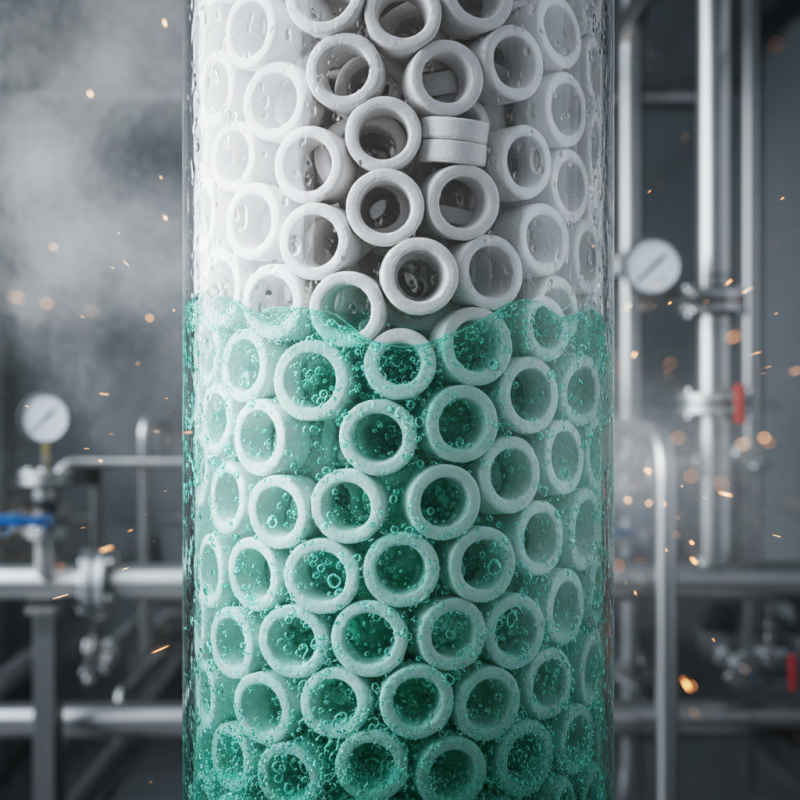
Introduction to Pall Rings and Their Role in Chemical Engineering
Pall rings are essential components in chemical engineering, particularly in distillation and absorption processes. Their unique design maximizes surface area while minimizing pressure drops. This balance is crucial for effective mass transfer. By enhancing contact between liquid and gas phases, pall rings significantly improve process efficiency.
One of the key advantages of using pall rings is their ability to handle varying flow rates. In many industrial processes, flow rates can be unpredictable. Pall rings accommodate these fluctuations, ensuring consistent performance. This adaptability can be vital in maintaining product quality.
When selecting pall rings, consider the material and size. Proper sizing can prevent flooding or dry-out issues. It’s also worth noting that not all applications benefit equally from pall rings. Some processes might require alternative packing materials. Always assess your specific requirements.
Tips: Regular maintenance of the packing system can prevent unexpected downtimes. Monitor for signs of wear, as degraded rings can affect performance. Consulting with experienced engineers can provide insights into best practices for your applications.
Enhanced Mass Transfer Efficiency with Pall Rings
Pall rings have emerged as a key component in enhancing mass transfer efficiency in chemical processes. Their unique design facilitates increased surface area for gas-liquid interactions, leading to improved contact. Studies show that implementing pall rings can boost mass transfer coefficients by up to 30%. This efficiency is crucial in applications like distillation and absorption, where optimal performance directly impacts overall productivity.
Recent industry reports indicate that using pall rings can reduce energy consumption significantly. In some cases, energy savings of 15% to 20% have been documented. This reduction not only lowers operational costs but also minimizes the environmental impact. However, it is essential to recognize that improper installation or inadequate maintenance could negate these benefits, leading to subpar performance.
Furthermore, while pall rings contribute to enhanced efficiency, their effectiveness can vary based on specific operational conditions. Factors such as liquid flow rates and temperature can influence performance. A systematic approach is necessary to evaluate these conditions continually. Operators must address these variables to optimize the use of pall rings in their processes, ensuring they achieve the desired outcomes consistently.
Top 5 Benefits of Pall Rings in Chemical Processes
Improvement in Chemical Reaction Rates Using Pall Rings
Pall rings offer significant improvements in chemical reaction rates. These packing materials enhance mass transfer by providing a large surface area. Their design allows for effective gas and liquid distribution within reactors. As a result, reactions can proceed more efficiently, leading to faster production times.
In addition to their efficiency, pall rings also promote better mixing. This mixing results in uniform concentration throughout the reactor. However, this can occasionally lead to over-mixing, which may hinder specific reactions. It's crucial to monitor reaction conditions closely to avoid such pitfalls.
Another aspect is their durability. Pall rings can withstand a range of temperatures and pressures. Nevertheless, they are not immune to wear and tear over time. Regular maintenance is vital to ensure optimal performance. Reactors utilizing pall rings should undergo routine checks. By doing so, operators can prevent unforeseen downtime and maintain high reaction rates.
Pall Rings and Their Contribution to Process Stability
Pall rings are essential in many chemical processes. They enhance gas-liquid contact, which improves mass transfer efficiency. This efficiency helps maintain process stability. When integrated into distillation and absorption columns, pall rings provide consistent performance.
One notable benefit is their ability to reduce pressure drop. This design feature allows for smoother operations. However, the uniformity of pall rings can sometimes lead to unexpected flow distribution issues. Operators must monitor these conditions closely to avoid potential instabilities.
In addition, pall rings promote effective liquid distribution. This creates a more balanced chemical process. Yet, variations in liquid properties can impact this distribution. Regular assessments are necessary to ensure optimal performance. Addressing these challenges can lead to more efficient processes overall.
Cost-Effectiveness of Implementing Pall Rings in Production
Implementing pall rings in chemical processes can significantly enhance cost-effectiveness. These components improve mass transfer efficiency in packed column applications. By optimizing the surface area for vapor and liquid interactions, they can lead to quicker reaction times. This efficiency reduces energy consumption and overall operation costs, making it an appealing choice for producers.
Furthermore, pall rings require less maintenance compared to traditional packing materials. Their durability contributes to lower downtime during production. A well-maintained system often translates to smoother operations. This durability saves not just money but also resources, leading to more sustainable practices in chemical manufacturing.
However, companies need to analyze their specific processes before transitioning. Not every system will benefit equally from pall rings. Some processes may still require traditional methods due to unique operational needs. Ensuring the right fit can save both money and frustration in the long run. Balancing these factors is crucial for achieving optimal results in chemical production.
Top 5 Benefits of Pall Rings in Chemical Processes
| Benefit | Description | Cost-Effectiveness (%) | Application Area |
| High Mass Transfer Efficiency | Pall rings provide enhanced mass transfer rates in chemical reactors. | 20% | Gas Absorption |
| Low Pressure Drop | Minimizes energy costs by reducing resistance to flow. | 15% | Distillation Towers |
| Versatile Applications | Can be used in various chemical processes and industries. | 10% | Petrochemical Industry |
| Durability and Longevity | Resistant to corrosion and wear, leading to reduced maintenance costs. | 25% | Chemical Reactors |
| Improved Reaction Rates | Enhances reaction kinetics in catalytic processes. | 30% | Catalytic Converters |