2025 Top Trends in Rubber Injection Molding Techniques and Innovations
In the rapidly evolving landscape of manufacturing, rubber injection molding has emerged as a pivotal technique, reshaping the way industries produce components and products. As we look ahead to 2025, a multitude of trends and innovations within rubber injection molding techniques is set to transform not only production efficiency but also the versatility of rubber applications across various sectors. This article will delve into the anticipated advancements that are likely to define the future of rubber injection molding, highlighting the integration of advanced technologies, materials science developments, and sustainable practices.
One of the most significant trends appears to be the increased adoption of automation and smart manufacturing processes within rubber injection molding. This shift aims to enhance precision, reduce waste, and improve overall output efficiency. Furthermore, developments in material formulations and processing methods are expected to broaden the scope of application for rubber, catering to diverse industries from automotive to medical. As companies strive to meet rising consumer demands for innovative and sustainable products, understanding these emerging trends and innovations in rubber injection molding becomes crucial for staying competitive in the market.
2025 Overview of Rubber Injection Molding Techniques
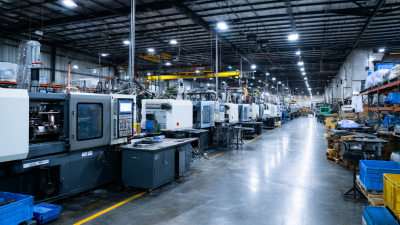
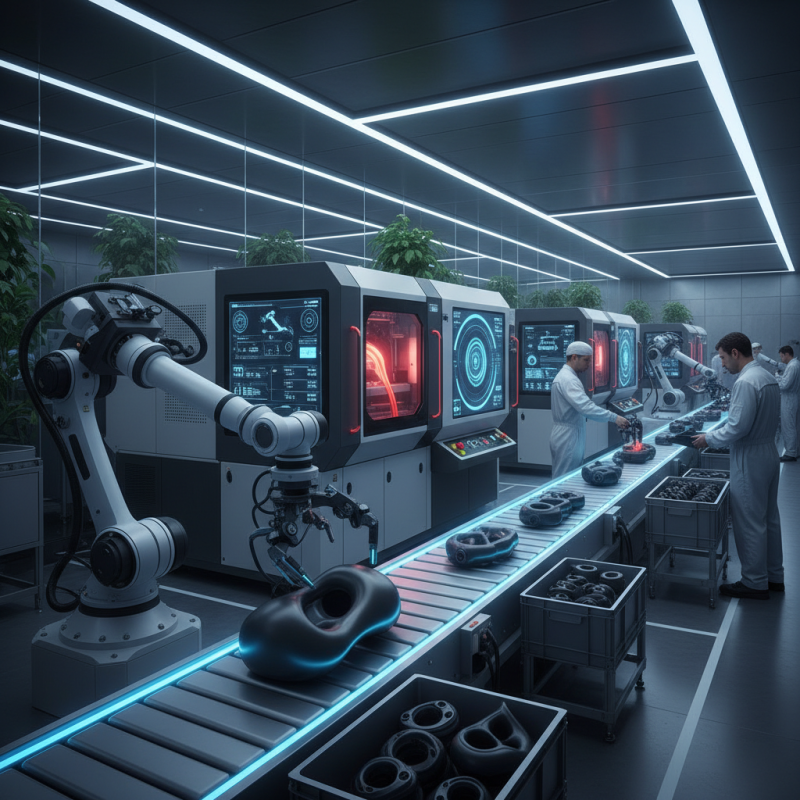
Rubber injection molding has evolved significantly over the years, becoming an essential technique in various industries, including automotive, medical, and consumer goods. In 2025, we anticipate that the emphasis will be on enhancing precision and efficiency in rubber molding processes. Advanced technology integration, such as automation and real-time monitoring systems, will streamline operations and reduce wastage. The trend towards sustainable materials, with an increasing focus on reprocessed and biodegradable rubber, will further influence the landscape of rubber injection molding techniques.
Tips: When considering rubber injection molding for a project, it's crucial to optimize the design for manufacturability. This includes simplifying geometries and minimizing sharp corners, which can lead to flow issues during the molding process. Additionally, choosing the right rubber material is vital; understanding the application's demands will help in selecting the most appropriate specifications for durability and performance.
Furthermore, the flexibility to adapt to small production runs without a significant increase in cost is becoming a key factor in rubber injection molding. Innovations like multi-cavity molds and modular systems allow for more agile manufacturing processes. Keeping abreast of technological advancements and incorporating them into your projects can dramatically enhance product quality and efficiency, ultimately contributing to a more sustainable manufacturing environment.
2025 Top Trends in Rubber Injection Molding Techniques and Innovations
| Trend/Innovation |
Description |
Benefits |
Predicted Impact |
| Automation in Molding Processes |
Increased use of robotics and AI for faster production. |
Higher efficiency, reduced human error. |
Significant increase in production rates. |
| Eco-Friendly Polymer Materials |
Adoption of sustainable and biodegradable materials. |
Reduced environmental impact, compliance with regulations. |
Positive brand image and market growth. |
| Advanced Temperature Control Systems |
Use of precise diagnostic tools for temperature management during molding. |
Improved material properties and reduced waste. |
Enhanced product quality and consistency. |
| 3D Printing Integration |
Combining 3D printing with injection molding for complex designs. |
Greater design flexibility and on-demand production. |
Access to new markets and applications. |
| Smart Manufacturing Techniques |
Implementation of IoT to streamline operations and monitor equipment. |
Real-time data analytics and predictive maintenance. |
Increased uptime and reduced operational costs. |
Key Innovations in Rubber Injection Molding Equipment
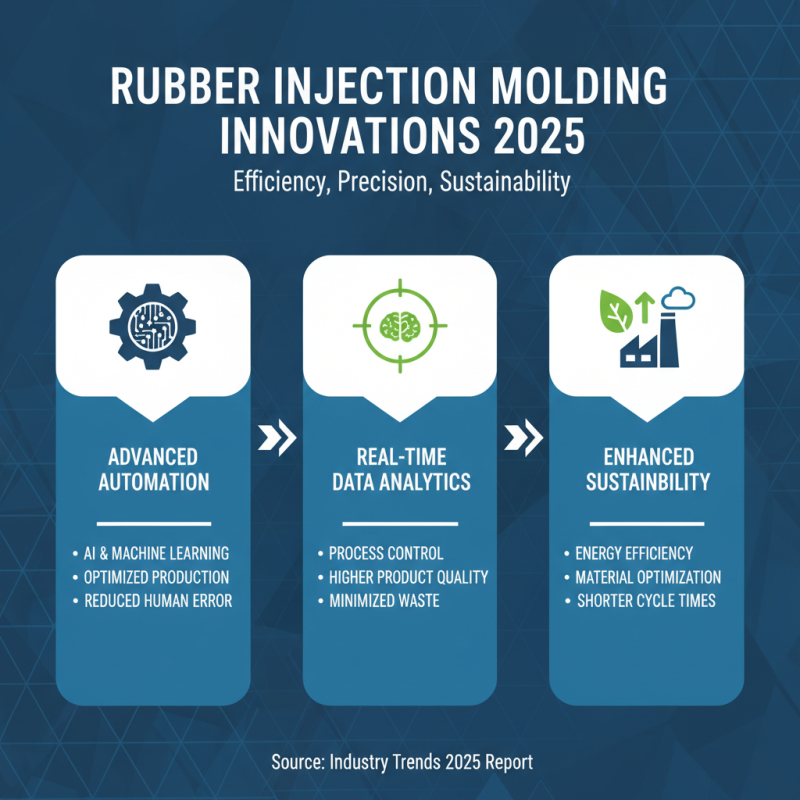
The realm of rubber injection molding is continually evolving, driven by innovations in equipment that enhance efficiency, precision, and sustainability. One of the key trends emerging in 2025 is the integration of advanced automation systems within injection molding machinery. These systems utilize artificial intelligence and machine learning algorithms to optimize production processes, reduce human error, and minimize waste. By harnessing real-time data analytics, manufacturers can achieve more precise control over the injection process, resulting in higher quality finished products and reduced cycle times.
Another pivotal innovation is the development of eco-friendly injection molding equipment that utilizes renewable energy sources and biodegradable materials. As sustainability becomes a core focus in manufacturing, equipment designers are innovating machines that can efficiently process these new materials without compromising performance. Moreover, advancements in temperature control technologies are allowing for better thermal management during the molding process, ensuring consistent material flow and enhancing the properties of the final rubber products. These innovations represent a significant leap forward, addressing both production efficiency and environmental responsibility in the rubber injection molding sector.
Advancements in Material Science for Rubber Molding
The rubber injection molding industry is witnessing significant advancements in material science that are reshaping manufacturing practices. One of the key trends in 2025 is the development of advanced elastomers, which are designed to enhance performance while reducing production costs.
According to a report by Smithers Pira, the global rubber market is projected to reach over $50 billion by 2025, driven by innovations in thermoplastic elastomers (TPEs) that offer superior elasticity, durability, and processability. These materials are increasingly being used in automotive, medical, and consumer goods applications due to their lightweight and sustainable properties.
Moreover, the integration of smart materials in rubber injection molding is paving the way for more efficient production processes. Research from Freedonia Group highlights that the use of fillers and additives has increased the functional capabilities of rubber products, improving resistance to wear, temperature, and chemicals. This not only enhances product longevity but also reduces waste in manufacturing. The rise of biocompatible rubber materials is another notable trend, catering to the growing demand for sustainable solutions in healthcare and other sensitive applications. Overall, advancements in material science are not only innovating rubber injection molding techniques but also aligning the industry with the shifting priorities towards sustainability and efficiency.
Sustainability Trends in Rubber Injection Molding Practices
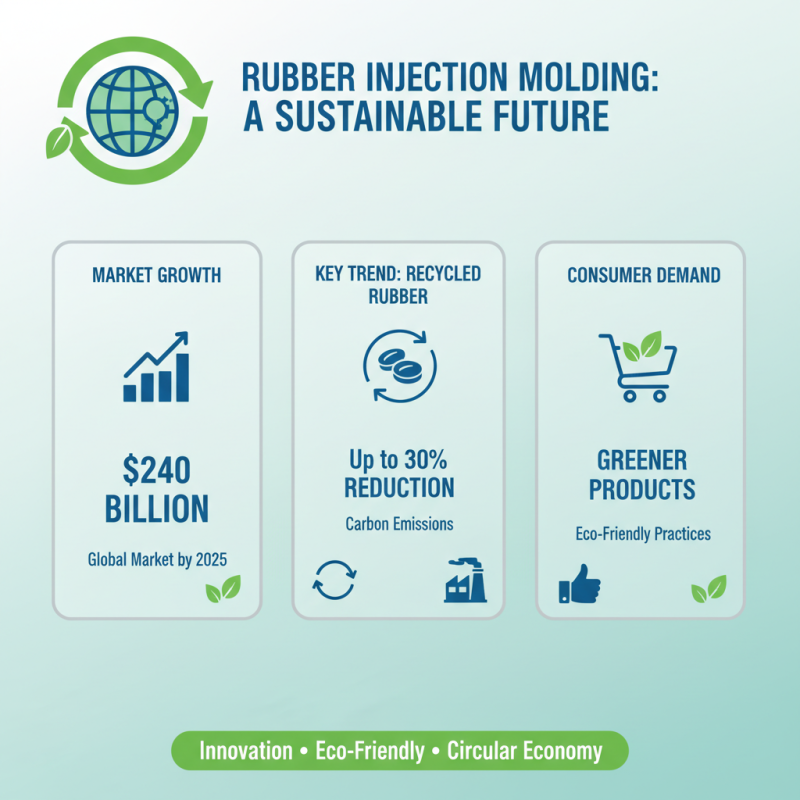
As the rubber injection molding industry evolves, sustainability remains at the forefront of innovation and practice. Recent reports highlight that the global rubber market is projected to reach approximately $240 billion by 2025, with a significant emphasis on eco-friendly practices. One of the key trends is the increasing incorporation of recycled rubber into injection molding processes. Studies indicate that utilizing recycled materials can reduce carbon emissions by up to 30%, aligning with global sustainability goals and responding to consumer demand for greener products.
In addition, advancements in technology are facilitating the development of more efficient rubber injection molding techniques. Industry analysts predict that the integration of automation and IoT in manufacturing processes will lead to a reduction in waste generation during production. For instance, it is estimated that firms adopting these new technologies can lower their energy consumption by nearly 20%. Moreover, the shift towards bio-based rubber materials and eco-efficient additives is gaining traction, further promoting sustainable manufacturing practices. These trends not only contribute to environmental conservation but also enhance product performance and lifecycle management.
Future Challenges and Opportunities in the Rubber Industry
The rubber industry is currently facing a multitude of challenges that could reshape its future in significant ways. One of the primary obstacles is the increasing demand for sustainable practices throughout the manufacturing process. As consumers become more environmentally conscious, companies are being pressured to adopt eco-friendly materials and reduce waste. This trend not only affects sourcing and production but also requires businesses to innovate in their rubber injection molding techniques, exploring alternatives to traditional practices that are often criticized for their environmental impacts.
On the other hand, these challenges present exciting opportunities for growth and advancement in the industry. The integration of advanced technologies, such as automation and AI, can streamline processes and increase efficiency. Innovations in material science can lead to the development of bio-based or recyclable rubber products, appealing to the changing preferences of consumers. Furthermore, the embrace of digital technologies in design and manufacturing can foster collaboration and speed up the product development cycle, allowing companies to respond rapidly to market demands. This dual focus on overcoming challenges while leveraging new opportunities will be crucial for companies aiming to thrive in the evolving landscape of the rubber industry.
2025 Top Trends in Rubber Injection Molding Techniques
This chart illustrates the projected trends in rubber injection molding techniques for 2025, highlighting advancements in automation, material innovation, and sustainability practices within the rubber industry.